Symbolism
La peste (Arnold Böcklin)
Arnold Böcklin (1827–1901) vytvořil dílo La peste. Patří k hnutí Symbolism. Je vyrobeno z Oil On Canvas.
- Oil On Canvas

 Náhled v interiéru

 Ručně malovaná olejná reprodukce
 Sdílet
 Sdílet
 Informační list


 Stáhnout
 Podobné položky
 Rentgenové snímky
 Slideshow
 Otázky a odpovědi

 Statistiky
La peste v kostce
- Název díla
- La peste
- Autor
- Arnold Böcklin (1827–1901)
- Rok narození umělce
- Basilej, Švýcarsko
- Technika
- Oil On Canvas
- Pohyb
- Symbolism
- Období
- 19th Century
- Motiv
- monster, rider, buildings, dead bodies, sky, red cloth
Co przedstawuje dílo La peste?
The Shadow of Mortality
In this unsettling scene, we find ourselves witnessing a moment of profound, inevitable decay. A monstrous, winged creature, reminiscent of a bat, moves through the narrow streets of a medieval European city. Atop this beast sits a skeletal figure, a personification of death that moves with a terrifying, silent purpose. The atmosphere is heavy, thick with a hazy, yellow-grey light that suggests a world choked by sickness. There is a sense of chaos here, yet it is a quiet, suffocating kind of chaos. The buildings, with their rigid, angular lines, seem to press in on the viewer, creating a claustrophobic environment where escape feels impossible.
The color palette is deliberately somber, leaning heavily into the earthy tones of ochre, brown, and grey. However, there is a specific, unsettling use of pale green—a hue often associated with the physical reality of decomposition—that permeates the work. This sickly tint contrasts sharply with the single, startling shock of red found in the foreground. A woman lies there, her clothing a vivid crimson against the muted, dying world around her, a stark reminder of the human cost of the plague passing through the streets.
Symbolic Elements and Composition
The composition is structured with a certain architectural precision that heightens the sense of dread. The rider and the beast form a central, pyramidal apex that draws the eye upward and then forces it back down toward the suffering below. The artist uses several layers of visual language to communicate the theme of pestilence:
- The winged creature, acting as a vessel for the plague, disrupts the orderly geometry of the urban landscape.
- The use of atmospheric perspective, where the background fades into a murky haze, suggests an endless, spreading contagion.
- The fallen figures in the foreground and middle ground represent the victims, their forms partially obscured by shadow and the weight of the scene.
- The contrast between organic, irregular shapes of the monster and the rigid, rectangular shapes of the architecture emphasizes the unnatural intrusion of death into civilization.
The technique involves a careful layering of oil paints, creating a texture that feels both rough and weathered. In certain areas, the impasto is visible, giving the creature a visceral, tactile presence. This physical depth mirrors the psychological depth of the subject matter, where the veil between the physical world and a nightmare state feels dangerously thin.
The Weight of the Unseen
There is a profound stillness in the way the figures are arranged, despite the violence of the subject. It is a stillness born of hopelessness. The lighting is diffused and uneven, casting deep shadows that hide as much as they reveal. This lack of a clear light source contributes to the sense of mystery and the feeling that the plague is an unstoppable, elemental force rather than a mere biological event. The work captures a specific tension between the tangible reality of a city and the intangible, spectral presence of death, leaving the viewer with a lingering sense of unease that remains long after the first glance.
Vysokorozlišené fotografie díla La peste
Arnold Böcklin, La peste. Veřejná doména
Odpovědi na otázky k dílu La peste
V jaké technice je vytvořeno dílo „La peste“ od Arnold Böcklin?
Technikou díla „La peste“ od Arnold Böcklin je Oil On Canvas. Reprodukce mají za cíl věrně zachytit vzhled této techniky.
Co zachycuje dílo „La peste“ od Arnold Böcklin?
Motivy díla „La peste“ jsou monster, rider, buildings, dead bodies, sky, red cloth, cityscape.
Patří „La peste“ od Arnold Böcklin do volného tisku?
Co se týče autorských práv, dílo "La peste" spadá do v rámci volného užití – autorská práva vypršela.
Kdo vytvořil "La peste"?
Dílo "La peste" se připisuje autorovi Arnold Böcklin.
K jakému stylu patří „La peste“?
Umělecký směr, ke kterému patří dílo „La peste“ od Arnold Böcklin, je Symbolism. Tato klasifikace toto dílo umísťuje mezi související umělce a další umělecká díla.
Do které éry tvorby Arnold Böcklin spadá dílo "La peste"?
Dílo „La peste“ pochází z období Late Period v tvorbě umělce Arnold Böcklin. Tato klasifikace dílo zasazuje do kontextu vývoje jeho tvůrčí dráhy.
Patří dílo „La peste“ od Arnold Böcklin do volného užití, a proč?
Dílo „La peste“ od Arnold Böcklin spadá do volného užívání (v rámci volného užití – autorská práva vypršela). Autorské právo vyprší po určité době od úmrtí umělce, ke kterému došlo v roce 1901.
Jakým způsobem se dílo „La peste“ vpisuje do celkové tvorby umělce Arnold Böcklin?
V rámci tvorby umělce Arnold Böcklin se dílo „La peste“ řadí do stylu Symbolism a doplňuje tak motivy symbolist movement, mythology and mortality, themes of death, war and pestilence, exploration of the subconscious.
Je dílo "La peste" typické pro to, co Arnold Böcklin obvykle vytvářel/a?
Mezi opakující se témata umělce Arnold Böcklin patří symbolist movement, mythology and mortality, themes of death, war and pestilence, exploration of the subconscious; dílo „La peste“ se zaměřuje na monster, rider, buildings, dead bodies, sky, red cloth, cityscape.
O umělci, Arnold Böcklin
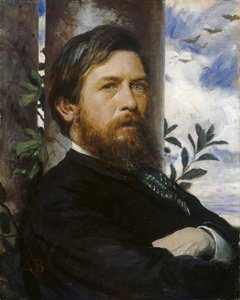
1827–1901, Švýcarsko
Arnold Böcklin
Stín ostrova Basel ve Švýcarsku představuje výchozí bod pro život definovaný napětím mezi tím, co je hmatatelné, a tím, co je spektrální. Mladý muž narozený 16. října 1827, jako syn Christiana Frederika Böcklina a Ursuly Lippe, se nakonec vydal mimo otcovský obchod s hedvábem do přísných síňí düseldorfské akademie. Pod vedením Schirmera začal nasávat jazyk krajiny, což byla dovednost, která byla později využita k mapování geografie lidské duše.
Také od autora Arnold Böcklin
 Útěk smrti (První verze)1880
 Autoportrét se smrtí hrající na housle
 Krig1896
 Ostrv mrtvých (Verze 5)1886
Eseje k tématu La peste
 25 Must-See Masterpieces at Berlin's Alte NationalgalerieExplore 25 iconic masterpieces from Berlin's Alte Nationalgalerie. From Romanticism to Impressionism, discover them all on OriginalUniqueAr…
 Heavenly Visions: A Curated Journey Through the Divine Masterpieces of Art HistoryExplore the profound beauty of religious art history. From Renaissance grace to Baroque drama, discover the stories behind iconic divine ma…
 Beauty in Mortality: Capturing the Soul of the Skull through the Luminous Lens of Impressionist ArtExplore the profound beauty of mortality through Impressionism. Discover how masters like Monet and Renoir transformed the Memento Mori tra…