

 Zobrazit v interiéru
 Odeslat
 Sdílet
 Podrobnosti
 Průvodce

 Stáhnout obrázek
 Podobné kousky
 Rentgenové snímky
 Slideshow
 Statistiky
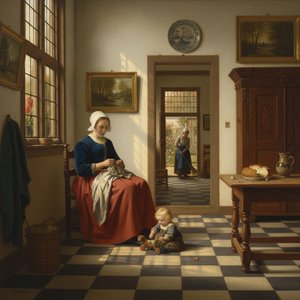
Jacob dream

 Přečíst si více
Ručně malovaná olejová reprodukce
Ručně malované olejné plátno v libovolném rozměru i s rámem, vyrobené našimi umělci na zakázku. ( Přepnout na tiskové verze Přepnout na digitální verzi obrazu)




P118B $10

P118H $10

P118W $10

P438Z $10

P508JH $12

P508YH $12

P805H $10

P805Z $10

P919BZ $10

P919G $10

P919XJ $10

P959ZH $10

P968JZ $12

W106C $8

W218G $10

W218JH $8

W218Y $10

W307PJ $10

W316G $10

W316PJ $8

W316Y $10

W398PJ $8

W4111J $10

W500HY $15

W500JH $15

W692G $12

W849H $8

W940BG $15

W953PJ $8




Vyberte si z našich přednastavených velikostí, které odpovídají původním proporcím díla.

Můžete zadat vlastní rozměry pro konkrétní rám nebo prostor. Pokud se vámi vybraná velikost neshoduje s proporcemi původního obrazu, dílo buď ořízneme, nebo jej doplníme ručně malovanými prvky. Před zahájením výroby vám bude zaslán digitální náhled ke schválení.
Upozorňujeme, že náhled na obrazovce neodpovídá skutečnému ořezu ani rozšíření. Pouze digitální náhled přesně zobrazí finální kompozici.
Ačkoliv je možné zvolit vlastní velikost, pro zachování původních proporcí doporučujeme vybrat rozměr z předdefinovaného seznamu.
Po přijetí objednávky vám tým OriginalUniqueArt.com zašle e-mail s pokyny a poskytne náhledovou verzi.
Celosvětová doprava () za 3–4 týdny namísto standardních 5 týdnů. (25 září). Bez kompromisů v kvalitě.

Zdarma celosvětová expresní doprava

Vysoce kvalitní lněné plátno

Úplné pojištění přepravy

Záruka vrácení celního poplatku

Záruka věrného barevného shodu

100dení lhůta pro vrácení zboží (pouze při vadách výroby)

100% garance vrácení peněz

Sleva při více objednávkách
 Skleněná varianta je dostupná pouze u rozměrů menších než 110 cm

Jacob dream
Technika provedení
Velikost reprodukce
-


Celková cena
$ 300
Biografie umělce
A Life Captured in Shadow and Light
The name Arie de Vois resonates within the annals of the Dutch Golden Age as a poignant symbol of artistic brilliance interrupted by the fragility of life. Born in Leiden around 1632, De Vois emerged during an era of unparalleled creative explosion, a time when the burgeoning merchant classes of the Netherlands sought to immortalize their status through the medium of oil and canvas. While his biographical timeline is marked by a certain tragic brevity, his presence in the art historical record remains indelible. As the son of Alewijn de Vois, an organist at the Pieterskerk in Leiden, he was raised amidst the profound musical and spiritual textures of his home city, a setting that likely nurtured his early sensitivity to atmosphere and rhythm.
Though some accounts suggest a life cut short in his youth, other historical records point to a more enduring, albeit complex, career that extended into the latter half of the 17th century. This duality adds a layer of mystery to his legacy, suggesting an artist whose influence may have lingered long after his initial period of activity. His journey through the artistic hubs of Utrecht and Leiden allowed him to absorb the very essence of Dutch mastery, weaving together the technical rigor of his mentors with a personal, serene elegance that would become his hallmark.
The Mastery of Influence and Technique
To understand the soul of De Vois’s work, one must look toward the giants upon whose shoulders he stood. His training was a tapestry of the finest instruction available in the Low Countries. In Utrecht, he became a pupil of Nikolaus Knüpfer, a master who also shared his classroom with the legendary Jan Steen. From Knüpfer, De Vois likely inherited a command over composition and the ability to imbue even the simplest subject with narrative weight. Upon returning to Leiden, his studies under Abraham van den Tempel further refined his aesthetic, steering him toward a more polished and sophisticated approach to portraiture.
The influence of Rembrandt Harmensz van Rijn is perhaps the most palpable thread in De Vois’s stylistic fabric. One can observe the echoes of the great master in De Vois’s meticulous use of chiaroscuro—that dramatic, breathing interplay between deep shadow and piercing light. However, where Rembrandt often embraced a rugged, textured spontaneity, De Vois moved toward a more restrained and tranquil palette. He favored muted tones of ochre, umber, and sienna, creating atmospheres of contemplative calm. His technique was not merely about the replication of form, but about the capture of a psychological state, using light to draw the viewer into the quiet, inner lives of his subjects.
Legacy of the Serene Portrait
The surviving works of Arie de Vois serve as intimate windows into the social and moral fabric of 17th-century Dutch life. His portraits were far more than mere documentation; they were carefully constructed statements of identity, character, and lineage. In pieces such as Jacob Dream, we encounter a profound sense of peace, where the subtle rendering of emotion suggests a subject lost in deep thought. Conversely, works like the Portrait of Hadriaan Beverland with a Prostitute demonstrate his ability to navigate much more complex and provocative psychological landscapes, utilizing juxtaposition to create tension and narrative intrigue.
De Vois’s significance lies in his ability to balance the formal requirements of the Dutch Guild of St. Luke—of which he was an active and esteemed member, even serving as dean—with a deeply personal artistic voice. His career, marked by both professional prestige and the quietude of his compositions, represents a vital branch of the Golden Age tradition. He remains a master of the understated, an artist who proved that the most profound human truths are often found not in grand gestures, but in the softest light falling across a face, or the silent gaze of a sitter caught in a moment of eternal reflection.

arie de vois
1632 - 1635 , Netherlands
Rychlé informace
- Artistic Movement Or Style: Dutch Golden Age Art
- Date Of Birth: Leiden, Netherlands (1632)
- Full Name: Arie de Vois
- Nationality: Dutch
- Notable Artworks:
- Jacob Dream
- Portrait of Hadriaan Beverland with a Prostitute
- Place Of Birth: Leiden
Související články

Chiaroscuro and Character: A Masterclass in Light and Shadow within Dutch Golden Age Painting
Explore the profound mastery of light and shadow in Dutch Golden Age painting. From chiaroscuro to atmospheric landscapes, discover the techniques that defined an era and learn how to bring these timeless masterpieces into your home through museum-quality oil reproductions.

Mastering Light & Shadow: A Journey Through the Dutch Golden Age's Luminous Legacy
Embark on a cultural journey through the Dutch Golden Age. Explore the masterful interplay of light and shadow in 17th-century masterpieces, from Rembrandt to Vermeer, and discover how this era of profound realism continues to inspire fine art collectors today.

Zlatý věk nizozemského malířství: 10 mistrovských děl pro váš domov | OriginalUniqueArt.com
Prozkoumejte 10 ikonických děl nizozemského zlatého věku – Rembrandt, Vermeer a další mistři. Objevte příběhy za obrazy, techniky a inspiraci pro váš interiér s reprodukcemi nejvyšší kvality na OriginalUniqueArt.com.
Pieter de Hooch: Illuminating Dutch Domestic Life & Golden Age Charm
Explore the captivating world of Pieter de Hooch, a master of Dutch Golden Age painting. Discover his innovative use of light, intimate domestic scenes, and lasting influence on art history. Learn more at OriginalUniqueArt.

Golden Light & Dutch Skies: The Timeless Magic of Dutch Golden Age Landscapes
Discover the breathtaking beauty of Dutch Golden Age landscapes. Explore the mastery of light, chiaroscuro, and 17th-century realism through an expert art history lens, celebrating the enduring legacy of the Dutch Masters for discerning collectors and art lovers.