

 Náhled
 Sdílet
 Sdílet
 Podrobnosti o díle

 Stáhnout
 Podobné položky
 Rentgenové snímky
 Slideshow
Angel with the Column


 Zobrazit více
Giclée / Umělecký tisk
Giclée nebo plátěný tisk muzeální kvality s rychlou výrobou a flexibilními možnostmi povrchové úpravy. ( Koupit ručně malovaný obraz Koupit obrázek)




































Vyberte si z našich přednastavených velikostí, které odpovídají původním proporcím díla.

Můžete zadat vlastní rozměry tak, aby výtvor odpovídal konkrétnímu rámu nebo prostoru. Pokud zvolená velikost nebude odpovídat poměru stran původního obrazu, dílo buď ořížeme, nebo obraz rozšíříme pomocí zrcadlového efektu či jednobarevného okraje. Před zahájením výroby vám bude zaslán digitální náhled k schválení.
Mějte prosím na paměti, že náhled na obrazovce neodráží skutečné oříznutí nebo rozšíření. Pouze digitální náhled přesně zobrazí finální kompozici.
Ačkoliv jsou k dispozici i vlastní rozměry, pro zachování původních proporcí doporučujeme vybrat si rozměr z předdefinovaného seznamu.
Celosvětové doručení () do 2 týdnů namísto standardních 4/5 týdnů. (17 srpen)

Zdarma celosvětová expresní doprava

Vysoce kvalitní lněné plátno

Kompletní přepravní pojištění

Záruka vrácení celního poplatku

Záruka přesného barevného shodu

60denní lhůta pro vrácení zboží (pouze při vadách výroby)

100% garance vrácení peněz

Sleva při hromadné objednávce
 Skleněná varianta je dostupná pouze u rozměrů menších než 110 cm

Angel with the Column
Giclée / Umělecký tisk
Rozměry reprodukce
-


Celková cena za výběr
$ 80
Biografie umělce
The Sculptor of Baroque Grace: The Life and Legacy of Antonio Raggi
In the heart of the Roman Baroque, a period defined by theatricality, movement, and profound emotional depth, few names resonate with as much subtle brilliance as Antonio Raggi. Born in 1624 in the serene village of Vico Morcote, nestled by the shores of Lake Lugano in Switzerland, Raggi’s journey from the quiet landscapes of his homeland to the grand, marble-clad stages of Rome is a narrative of immense artistic ambition. While he arrived in Italy with the burgeoning humanist spirit of his origins, it was the overwhelming grandeur of the Roman Baroque that truly claimed his soul, leading him toward a career that would eventually define the sculptural language of an era.
Raggi’s ascent in the competitive Roman art scene was catalyzed by one of the most significant artistic partnerships in history. Though he initially found himself within the studio of Alessandro Algardi, it was the legendary Gian Lorenzo Bernini who became his true mentor and guiding light. For nearly three decades, Raggi worked under the shadow of the master, becoming Bernini’s closest and perhaps most prolific pupil. This relationship was more than mere apprenticeship; it was a profound artistic symbiosis. Bernini often provided Raggi with detailed modelli—small-scale models—and supervised his progress so closely that Raggi’s works frequently captured the very essence of Bernini’s own creative vision, executing the master's complex conceits with a precision and grace that felt almost seamless.
Mastery of Form and the Spirit of Realism
What distinguishes Raggi from many of his contemporaries was his refusal to settle for mere idealized perfection. While the Baroque period often leaned into the fantastical, Raggi possessed an unwavering dedication to capturing the raw, palpable reality of the human condition. He meticulously studied anatomy, not just to replicate muscle and bone, but to understand how tension, weight, and emotion manifest in the physical form. This commitment to naturalism allowed him to breathe life into stone and stucco, creating figures that seemed caught in a fleeting moment of intense action or deep, spiritual contemplation.
His technical versatility was as vast as his imagination. Raggi was not confined to the heavy permanence of marble; he was a master of stucco, a medium that allowed for a more fluid and delicate expression of movement. His ability to manipulate these materials enabled him to contribute significantly to the architectural splendor of Rome’s most sacred spaces. Whether working on monumental architectural decorations or intimate easel paintings, his hand was always recognizable by its ability to convey narrative complexity through subtle textures and dynamic compositions.
Enduring Achievements and Historical Significance
The legacy of Antonio Raggi is etched into the very fabric of Rome’s most iconic landmarks. His contributions to the Piazza Navona complex, particularly his collaboration with Bernini on the Fountain of the Four Rivers, represent a pinnacle of Baroque achievement. In these works, the boundaries between sculpture and architecture dissolve, replaced by a sense of flowing water and living stone that embodies the period’s obsession with illusion and motion.
Among his most poignant and celebrated individual achievements is the Death of St. Cecilia, a breathtaking stucco relief located in the Sant’Andrea della Valle Basilica. In this piece, Raggi achieves a level of emotional intimacy that is rare even in the high Baroque; the slumped posture of the saint and the delicate rendering of her final moments serve as a testament to his ability to evoke profound empathy in the viewer. Other notable works, such as the Angel with the Column on the Ponte Sant'Angelo, further demonstrate his capacity for creating figures that possess both classical beauty and a restless, divine energy.
Ultimately, Antonio Raggi stands not merely as a follower of Bernini, but as a transformative force in his own right. He took the theatrical foundations laid by his mentor and infused them with a unique sense of naturalistic tenderness and anatomical precision. His work remains a vital chapter in the history of 17th-century art, reminding us that true greatness lies in the ability to capture the eternal within the ephemeral moment.

antonio raggi
1624 - 1686 , Switzerland
Rychlé fakta
- Artistic Movement Or Style: Roman Baroque
- Artists Or Movements Influenced By This Artist: Neoclassical
- Artists Who Influenced This Artist: Bernini
- Date Of Birth: 1624
- Full Name: Antonio Raggi
- Nationality: Swiss
- Notable Artworks: ['Death of St. Cecilia']
- Place Of Birth: Vico Morcote, Switzerland
Související články

10 legendárních bronzových soch, které změnily umění | OriginalUniqueArt
Objevte 10 legendárních bronzových soch od Michelangela, Rodina a dalších mistrů! Ponořte se do historie umění, technik a příběhů za těmito nadčasovými díly. Najděte inspiraci pro váš interiér s OriginalUniqueArt.com – repliky nejvyšší kvality.

The Enduring Allure of Marble in Art History: From Classical Sculpture to Modern Abstraction
Explore the captivating history of marble sculpture from ancient Greece to modern art. Discover renowned artists like Canova & Michelangelo, carving techniques, and investment insights at OriginalUniqueArt.
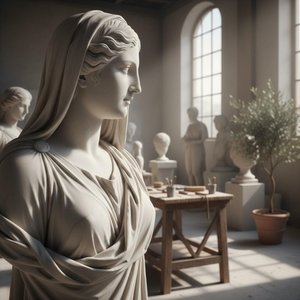
Timeless Elegance: A Complete Guide to the Sublime Beauty and Artistry of Marble Sculpture
Discover the sublime beauty of marble art through an expert exploration of Renaissance and Neoclassical masterpieces. From the delicate textures of Carpeaux to the grandeur of Sansovino, immerse yourself in a guide to timeless elegance and sculptural perfection.

The Enduring Form: Exploring Themes & Techniques in Sculpture Across Historical Periods
Explore the rich history of sculpture from ancient masterpieces to contemporary innovations. Discover key techniques, influential artists & investment potential for discerning art collectors.
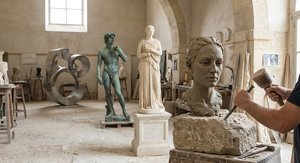
The Enduring Form: Sculpture Across History, Technique & Emotional Resonance
Explore the rich history of sculpture with OriginalUniqueArt. Discover key techniques, influential artists & investment potential for discerning collectors. Expert insights into valuing and collecting timeless masterpieces.

