
 Náhled v interiéru
 Sdílet
 Sdílet
 Podrobnosti o díle
 Průvodce

 Stáhnout
 Podobné položky
 Rentgenové snímky
 Slideshow
 Otázky a odpovědi
 Statistiky
Vnitřní strop


 Zobrazit více
Giclée / Umělecký tisk
Giclée nebo plátěný tisk muzeální kvality s rychlou výrobou a širokou nabídkou povrchových úprav. ( Koupit ručně malovaný obraz Přepnout na digitální obraz)




P118B Kč10

P118H Kč10

P118W Kč10

P438Z Kč10

P508JH Kč12

P508YH Kč12

P805H Kč10

P805Z Kč10

P919BZ Kč10

P919G Kč10

P919XJ Kč10

P959ZH Kč10

P968JZ Kč12

W106C Kč8

W218G Kč10

W218JH Kč8

W218Y Kč10

W307PJ Kč10

W316G Kč10

W316PJ Kč8

W316Y Kč10

W398PJ Kč8

W4111J Kč10

W500HY Kč15

W500JH Kč15

W692G Kč12

W849H Kč8

W940BG Kč15

W953PJ Kč8




Vyberte si z našich přednastavených velikostí, které odpovídají původním proporcím díla.

Zadejte šířku a výšku, které potřebujete pro váš rám nebo stěnu. Tisk lze pouze oříznout, nikdy však nelze zvětšit obraz nad jeho původní rozměr, proto při výběru jiného formátu dochází ke ztrátě části obrazu. Před samotným tiskem vám zašleme digitální náhled k schválení. Obraz zobrazený na této stránce nenabízí skutečný výřez — ten uvidíte pouze v náhledu.
Celosvětové doručení () do 2 týdnů namísto standardních 4/5 týdnů. (7 listopad)

Zdarma celosvětová expresní doprava

Vysoce kvalitní lněné plátno

Kompletní pojištění přepravy

Záruka vrácení celního poplatku

Záruka věrného barevného souladu

100dení lhůta pro vrácení zboží (pouze při vadách výroby)

100% záruka vrácení peněz

Sleva při více objednávkách
 Skleněná varianta je dostupná pouze u rozměrů menších než 110 cm

Vnitřní strop
Giclée / Umělecký tisk
Rozměry reprodukce
-


Celková cena za vybrané možnosti reprodukcí
Kč 1763
In-laid Ceiling: A Renaissance Masterpiece Revisited
The In-laid Ceiling of Santa Maria Maggiore in Rome stands as an enduring symbol of Florentine Renaissance artistry and papal ambition. Commissioned during the reign of Pope Alexander VI – a period marked by political intrigue and artistic patronage – this monumental fresco, completed around 1490 by Antonio da Sangallo the Younger, transcends mere decoration; it embodies the intellectual fervor and aesthetic ideals that defined the era. Examining its intricate design reveals layers of symbolism interwoven with masterful craftsmanship, offering a profound glimpse into the cultural landscape of fifteenth-century Italy.Architectural Context & Artistic Vision
Antonio da Sangallo the Younger, nephew of Giuliano da Sangallo and uncle of Antonio da Sangallo the Elder – himself a celebrated architect – inherited his predecessors’ commitment to grandeur and innovation. He skillfully blended classical influences with humanist ideals, mirroring the broader artistic trends sweeping across Europe. The basilica itself, conceived by Bramante before Alexander VI's ascension, represents an ambitious undertaking to revive Roman architectural splendor after centuries of Gothic dominance. Sangallo’s contribution wasn’t simply structural; it was aesthetic – transforming the nave into a space infused with light and adorned with breathtaking visual complexity.Detailed Examination: Design & Technique
The ceiling’s design is characterized by a masterful use of geometric patterns—primarily squares and circles—arranged symmetrically across multiple panels. These forms hark back to Pythagorean mathematics, reflecting the Renaissance fascination with rational order and harmonious proportions. The execution involved painstaking labor; panels crafted from wood were overlaid with gilded leaf, creating an opulent surface that shimmered under candlelight. Artists employed meticulous brushwork to depict stylized floral motifs – lilies symbolizing purity and papal authority – alongside geometric abstractions conveying spiritual contemplation.Symbolism & Historical Significance
Beyond its formal beauty, the In-laid Ceiling communicates profound symbolic messages. The central window, framed by ornate scrollwork and topped with a sculpted figure representing Christ Pantocrator—the Almighty King—emphasizes the basilica’s liturgical function and proclaims Christian faith as the guiding principle of papal rule. Furthermore, the inclusion of papal coats-of-arms underscores Alexander VI's assertion of power and prestige during a turbulent time – a testament to the artist’s ability to capture both artistic excellence and political circumstance.Emotional Impact & Legacy
Today, viewing reproductions of this extraordinary artwork evokes a sense of awe and admiration for Renaissance artistry. The ceiling’s luminous colors, combined with its intricate detailing, transport viewers back to a moment in history when art served as a vehicle for spiritual expression and cultural affirmation. It remains an inspiration for interior designers seeking to create spaces imbued with elegance and grandeur—a timeless masterpiece that continues to captivate audiences centuries after its creation.- Artist: Antonio da Sangallo the Younger
- Date: Circa 1490
- Location: Santa Maria Maggiore, Rome
- Style: Renaissance
- Technique: Fresco Painting with Gilded Leaf Overlay
Otázky a odpovědi
Jaké je místo díla „Vnitřní strop“ mezi opakovanými tématy umělce Antonio Da Sangallo The Younger?
Mezi zaznamenaná témata umělce Antonio Da Sangallo The Younger – tedy classical ideals, grandeur, symmetry, christian faith, papal patronage, religious symbolism, divine glory, sangallo’s legacy – přináší dílo „Vnitřní strop“ specifické zaměření na renaissance ceiling, italian architecture, religious art, gold decoration, floral patterns, geometric design, santa maria maggiore, antonio sangallo jr.
Jakou celkovou náladu vyzařuje „Vnitřní strop“ od Antonio Da Sangallo The Younger?
Celková nálada díla „Vnitřní strop“ od Antonio Da Sangallo The Younger je Elegance. Tato nálada vystihuje obecnou atmosféru tohoto díla.
Do jakého prostoru se doporučuje umělecké dílo „Vnitřní strop“ od Antonio Da Sangallo The Younger?
Dílo „Vnitřní strop“ od Antonio Da Sangallo The Younger je doporučeno do místnosti Lobby hotelů. Toto doporučení vychází z tématu, barevnosti a nálady daného díla.
Biografie umělce
Hans Baldung: A Bridge Between Darkness and Light
Born in the small Imperial Free City of Schwäbisch Gmünd around 1484 or 1485, Hans Baldung was a pivotal figure in the transition between the late Gothic traditions of Northern Europe and the burgeoning Renaissance art scene. His life, tragically cut short in September 1545 at the age of approximately sixty-one, marked him as a master craftsman deeply rooted in both the expressive power of the past and the innovative spirit of his time. While often overshadowed by his influential student, Albrecht Dürer, Baldung carved out a unique artistic identity, characterized by a potent blend of meticulous detail, dramatic color, and a distinctly unsettling psychological depth.
Baldung’s early life remains somewhat shrouded in mystery. He was the son of a jurist and a doctor, receiving an unusual education for an artist of his era – he attended university himself, though not to pursue a degree. This intellectual background likely contributed to his later explorations of allegory and symbolism. His apprenticeship with Albrecht Dürer in Nuremberg from 1503 to 1507 proved transformative. Here, he absorbed the master’s technical skills and observational acuity, but crucially, Baldung began to develop a style that diverged significantly from Dürer's idealized realism. While Dürer sought clarity and order, Baldung embraced a more subjective and emotionally charged approach.
The Dual Nature of a Master
Baldung’s artistic legacy is defined by its inherent duality. He was simultaneously a devout follower of Dürer and a champion of the darker, more expressive currents of late Gothic art. This tension manifests in his diverse body of work – from meticulously rendered portraits and intricate woodcuts to hauntingly beautiful altarpieces and stained glass windows. His nickname, “Hans Baldung Grien,” derived from the German word for green, reflects his penchant for rich, saturated colors, often employed with a dramatic intensity that bordered on the macabre.
His work is characterized by a fascination with death, decay, and the grotesque – themes frequently explored in late medieval art. This interest isn’t simply morbid; it represents a profound engagement with the complexities of human existence, acknowledging both beauty and suffering. Consider his depictions of demons and devils, not as purely malevolent figures, but as embodiments of temptation and moral struggle. Baldung's ability to convey such psychological nuance was remarkably advanced for his time.
A Flourishing Career
Baldung’s career spanned several decades, during which he produced a vast and varied oeuvre. He worked as a painter, printmaker, draftsman, and even a stained glass artist, demonstrating remarkable versatility. His woodcuts, in particular, are considered masterpieces of the German Renaissance, showcasing his technical skill and expressive power. These prints often depict scenes from mythology, biblical stories, and allegorical narratives, imbued with a sense of drama and emotional intensity.
His altarpieces, such as those found in the St. Sebaldus Church in Munich, are notable for their vibrant colors, dynamic compositions, and unsettling imagery. These works reflect Baldung’s unique artistic vision – a synthesis of Gothic expressiveness and Renaissance innovation. He also created numerous portraits, often characterized by a psychological realism that anticipated later developments in portraiture.
Legacy and Influence
Despite his undeniable talent and prolific output, Hans Baldung's place in art history has been somewhat overshadowed for centuries. Initially, he was largely viewed as a mere student of Dürer, lacking the independent genius of his master. However, in recent decades, scholars have increasingly recognized Baldung’s originality and significance. His work is now appreciated for its complex psychological depth, its masterful use of color, and its crucial role in bridging the gap between late Gothic art and the Renaissance.
Baldung's influence can be seen in the works of subsequent generations of German artists, including his son, Hans Holbein the Younger. His legacy endures as a testament to the power of artistic duality – the ability to embrace both darkness and light, tradition and innovation, to create art that is both deeply rooted in the past and profoundly relevant to the present.

Antonio Da Sangallo The Younger
1484 - 1546 , Italy
Rychlé informace o umělci
- Full Name: Hans Baldung
- Nationality: German
- Date Of Birth: 1484
- Date Of Death: 1546
- Place Of Birth: Florence, Italy
- Notable Artworks:
- Primavera
- The Birth of Venus
- The Adoration of the Magi
- Artistic Movement Or Style: German Renaissance, Mannerism
- Artists Who Influenced This Artist: ['Albrecht Dürer']
- Artists Or Movements Influenced By This Artist: ['Sandro Botticelli']
Související články
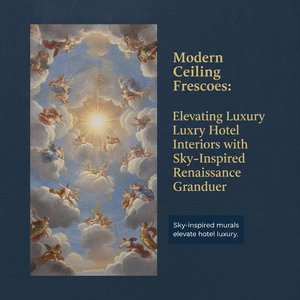
Moderní stropní fresky: Umění renesance v novém světle pro luxusní interiéry
Objevte krásu stropních fresek pro luxusní hotely a interiéry. Inspirace renesancí, moderní design a odborná realizace s .

Leonardo da Vinci: Top 25 mistrovských děl pro váš domov | OriginalUniqueArt.cz
Prozkoumejte 25 ikonických děl Leonarda da Vinciho – od slavné Mona Lisy po Poslední večeři. Objevte renesanční umění, techniky a inspirativní příběhy za mistrovskými díly. Kvalitní reprodukce obrazů pro váš interiér na OriginalUniqueArt.cz

Pietro da Cortona: Baroque Grandeur & the Synthesis of Roman Painting
Explore the life & masterpieces of Pietro da Cortona, a defining figure of the Italian Baroque. Discover his stunning frescoes at Palazzo Barberini and lasting influence on Roman art history. Learn more with OriginalUniqueArt.

Barokní drama: Umění, které vnáší velkolepost do domova
Objevte velkolepost barokního stylu v interiéru! Průvodce klíčovými prvky, inspirace a tipy pro integraci do moderního bydlení. Reprodukce umění s .

Drama and Light: A Definitive Guide to the Italian Baroque Masterpieces and the Revolution of Chiaroscuro
Explore the dramatic world of Italian Baroque art. Discover how masters like Caravaggio used chiaroscuro and tenebrism to revolutionize painting through light, shadow, and profound realism. A definitive guide for history lovers and art collectors.
