
() ·
Obraz vytvořený ručně přímo pro vás
Ručně malovaná olejová reprodukce
Rukou malované olejné plátno v libovolném rozměru i s rámem, vyrobené našimi umělci na zakázku. ( Přepnout na tisk Přepnout na digitální obraz)
Biografie umělce
Discover Antonio Corradini (1688-1752), the Italian Rococo sculptor famed for his breathtaking veiled sculptures & dramatic marble works! Explore his artistry and legacy.
 Zobrazit více
od ·
Kapitola 1
Jak velká by měla být?
Posunout pro změnu velikosti; obrázek vlevo zobrazuje rám v jeho skutečné šířce. Zachovávají se původní proporce.
Vyberte si z našich přednastavených velikostí, které odpovídají původním proporcím díla.

Zadejte šířku a výšku, které potřebujete pro váš rám nebo stěnu. Protože se jedná o ruční malbu, při výběru jiného formátu může umělec kolem obrazu domalovat o něco více, nebo jej mírně oříznout — rozhodnete si vy. Před zahájením malby vám zašleme digitální náhled ke schválení. Obraz zobrazený na této stránce neodpovídá skutečnému výsledku — pouze digitální náhled jej zobrazuje.
Kapitola 2
Jak má být doručeno?
Vyberte si okraje plátna
Vyberte si rámeček

Bílé okraje Kč1

Rozostřené okraje Kč1

Prodloužené okraje Kč1

P118B Kč10

P118H Kč10

P118W Kč10

P438Z Kč10

P508JH Kč12

P508YH Kč12

P805H Kč10

P805Z Kč10

P919BZ Kč10

P919G Kč10

P919XJ Kč10

P959ZH Kč10

P968JZ Kč12

W106C Kč8

W218G Kč10

W218JH Kč8

W218Y Kč10

W307PJ Kč10

W316G Kč10

W316PJ Kč8

W316Y Kč10

W398PJ Kč8

W4111J Kč10

W500HY Kč15

W500JH Kč15

W692G Kč12

W849H Kč8

W940BG Kč15

W953PJ Kč8

H24-GOLD Kč30

H24-SILVER Kč30

H36-GOLD Kč45

H36-SILVER Kč45
V rámu
Profil: . Celkové rozměry včetně rámu: .
Kapitola 3
Kdo jej maluje a mělo by se něco změnit?
Po přijetí objednávky vám tým OriginalUniqueArt.com pošle e-mail s instrukcemi a poskytne náhled návrhu
Celosvětová doprava () za 3–4 týdny namísto standardních 5 týdnů. (19 listopad). Bez kompromisů v kvalitě.
Kapitola 4
Poslední úpravy
Štítek jako v muzeu?
Detaily ryté bronzové plakety
This elegant plaque features the artist's name and the title of the artwork, finely engraved for a timeless presentation.
It is made from bronze with a refined, elegant finish. The text is precisely laser-engraved for a sharp and permanent result. Measuring 9x2 cm, the plaque is compact yet easy to read. It's built to be durable and scratch-resistant, offering a professional, museum-quality look. Mounting is simple thanks to the included adhesive backing.
Detaily průhledné akrylové desky
The plaque includes essential engraved details such as the artist's name, the title of the artwork, the date it was created, the type of media used-like oil on canvas or watercolor-a brief description of the piece, and a QR code that links to the complete artwork information.
It is crafted from clear acrylic, offering a sleek, modern appearance. The text is UV-engraved in black to ensure strong visual contrast. With a size of 10x15 cm, it ensures optimal readability. It comes equipped with two metal hooks for secure wall mounting. The plaque is designed to be weather-resistant, making it suitable for various environments, and it includes interactive features that work seamlessly with smartphone scanning.
Detaily černé akrylové destičky
This elegant plaque includes engraved information such as the artist's name, the title of the artwork, the date it was created, the type of media used (like oil on canvas or watercolor), a short description of the artwork, and a QR code for quick access to more information.
The plaque itself is made from refined black acrylic with a premium finish. The text is laser-engraved in white for high contrast and readability. Its size is 10x15 cm, designed to be easy to read. It comes with two metal hooks for professional mounting. The design is sleek and fits any interior style. It is also weather-resistant and durable, with built-in digital integration for mobile compatibility.
Ochranný lak?
Kdy jej potřebujete?
Kapitola 5
Váš obraz přesně podle objednávky

Modesty
Technika reprodukce
Rozměry reprodukce
-

Vybraní mistři umění
Vyšší míra detailu, jemnosti a delší doba výroby
-

Možnosti rámování reprodukcí
-
-
U děl nebo reprodukcí, u nichž je jakákoliv strana větší než 105 cm (přibližně 41 palců), bude rám dodán jako sestava v rozloženém stavu. Tato metoda zajišťuje bezpečné doručení a chrání dílo před poškozením během přepravy.
Vyžaduje se odborná montáž – nejedná se o produkt pro svépomocnou realizaci (DIY).
Sestava musí být složena a plátno napnuto zkušeným profesionálním rámovačem s použitím dřevěného lepidla (není součástí balení), kleští na napínání plátna a svorek pro udržení pravých úhlů křížů během schnutí lepidla. Nesprávná montáž nebo nerovnoměrné napnutí plátna může způsobit trvalé poškození uměleckého díla, které není kryto naší zárukou.
 U děl nebo reprodukcí, u nichž je jakákoliv strana větší než 105 cm (přibližně 41 palců), bude rám dodán jako sestava v rozloženém stavu. Tato metoda zajišťuje bezpečné doručení a chrání dílo před poškozením během přepravy.
Jsou zahrnuty všechny lišty z masivního dřeva, přesně na míru nařezané.
Sestavuje se pomocí součástí balení (šroubů), plus dřevěného lepidla na rohové spoje, které není součástí balení a musí jej zajistit váš rámovač.
Vyžaduje se profesionální nářadí, které není součástí sady: kleště na napínání plátna a svorky pro udržení kolmosti příček během schnutí lepidla.
Důležité:
Spoje v rozích vyžadují lepidlo na dřevo, tyčinky musí být přichyceny pomocí svorek, dokud lepidlo zcela neuschne, a pro napnutí plátna na sestavený rám je zapotřebí kleští na natahování plátna. Žádný z těchto náčiní není součástí sady. Před objednáním této velikosti prosím zajistěte zkušeného profesionálního rámovače.

Popisek díla
-
-

Ochranný lak
Lesklý lak (zvýrazňuje barvy, chrání před světlem a vlhkostí)
-

Přizpůsobit své umělecké dílo
Příklady možných úprav: nahrazení obličeje fotografií zákazníka; přidání domácího mazlíčka (např. výměna kočky za psa); vložení skrytého vzkazu do pozadí; změna krajiny nebo prvků v pozadí.
-

Prioritní doručení
Celosvětové doručení () za 3–4 týdny namísto standardních 5 týdnů. (19 listopad). Bez kompromisů v kvalitě.
-
Expresní doručení
Celosvětová doprava () do 5 týdnů. (26 listopad).
V ceně
Celková cena za vybrané možnosti reprodukcí
Kč 6483
Skleněná varianta je dostupná pouze u rozměrů menších než 110 cm
Součást každé objednávky
- Zdarma celosvětová expresní doprava
- Vysoce kvalitní lněné plátno
- Kompletní pojištění přepravy
- Záruka vrácení celního poplatku
- Záruka věrného barevného souladu
- 100dení lhůta pro vrácení zboží (pouze při vadách výroby)
- 100% záruka vrácení peněz
- Sleva při více objednávkách


 Náhled v interiéru
 Sdílet
 Sdílet
 Podrobnosti o díle
 Průvodce

 Stáhnout
 Podobné položky
 Rentgenové snímky
 Slideshow
 Otázky a odpovědi
 Statistiky
V číslech
- 1749rok vytvoření
- 29k výběru rámečků
- standardní velikosti, v jejich vlastních proportioních
- 5týdnů na namalování a doručení
O originálu


Antonio Corradini
1668 - 1752, Italy
Rychlé informace o umělci Antonio Corradini
- Full Name: Antonio Corradini
- Nationality: Italian
- Date Of Birth: 1668
- Date Of Death: 1752
- Place Of Birth: Este, Italy
- Notable Artworks:
- Puritas
- Modesty
- Veiled Christ
- Hatchcover
- Tuccia
- Artistic Movement Or Style: Rococo
- Artists Who Influenced This Artist: ['Antonio Tarsia']
- Artists Or Movements Influenced By This Artist: ['Rococo sculpture']
Biografie umělce
A Life in Marble: The Enigmatic World of Antonio Corradini
Antonio Corradini, a name synonymous with the breathtaking illusionism of Rococo sculpture, emerged from humble beginnings in 17th-century Venice to become one of the most celebrated artists of his time. Born in 1688, the son of a sail packer, young Antonio’s path diverged sharply from that of his father, leading him into the world of artistic creation. His early training under the sculptor Antonio Tarsia proved foundational, an apprenticeship lasting roughly four or five years – a standard duration for mastering the craft. This connection deepened when Corradini married Maria Tarsia, solidifying a familial and professional bond with a pivotal figure in Venetian sculpture. These formative years instilled not only technical skill but also a deep understanding of the artistic currents flowing through Venice, a city renowned for its opulent beauty and dramatic flair.From Venice to Imperial Courts: A Blossoming Career
Corradini’s talent quickly blossomed, gaining recognition around 1709 with his contributions to the façade of San Stae in Venice. His formal acceptance into the *Arte dei tagliapietra* in 1711 marked a significant milestone, acknowledging him as a professional sculptor within the Venetian guild system. However, it was commissions beyond Italy that truly propelled his career onto an international stage. A pivotal period unfolded between 1716 and 1723 with extensive work for Russian and Saxon patrons. He created numerous busts and statues for Peter the Great’s summer garden in St. Petersburg, demonstrating a remarkable versatility and adaptability to diverse artistic demands. These early commissions also hinted at the signature style that would define his legacy: the veiled figure. It was during this period that Corradini began exploring the captivating effect of depicting forms beneath translucent drapery, an exploration that would reach its zenith in later works. In 1729, a new chapter commenced with his appointment as court sculptor to Charles VI in Vienna. For over a decade, he served the Habsburg court, undertaking various projects encompassing monuments and decorative sculptures, further honing his skills and expanding his artistic horizons.The Mastery of Illusion: Veiled Figures and Rococo Sensibility
Antonio Corradini is most profoundly remembered for his exquisitely realistic depictions of draped figures, particularly women, where the contours of the body are subtly revealed beneath a seemingly weightless veil. This technique wasn’t merely skillful carving; it was an act of illusionism, pushing the boundaries of what marble could achieve. The effect captivated audiences with its delicate beauty and technical brilliance. Puritas, or Bust of a Veiled Woman (1717-1725), stands as an early exemplar of this style, showcasing remarkable detail and a profound understanding of anatomy. However, it is Modesty (La Pudicizia) (1749-1752), housed within the Cappella Sansevero in Naples, that is widely considered his masterpiece. The sculpture’s delicate veil clings to the form beneath, revealing and concealing with equal grace, embodying a captivating tension between modesty and sensuality. While Corradini designed the Veiled Christ, it was ultimately completed by Giuseppe Sanmartino after his death; nevertheless, it remains a testament to the style he pioneered. His work seamlessly blends the dramatic intensity of Baroque sculpture with the more graceful and elegant aesthetic of Rococo, drawing inspiration from classical antiquity while forging a distinctly innovative path.Legacy and Influence: A Transition in Artistic Style
Corradini’s artistic significance lies not only in his technical virtuosity but also in his role as a transitional figure between the Baroque and Rococo movements. He built upon the dramatic energy of the former while embracing the lightness, elegance, and playful sensuality of the latter. His mastery of illusionistic techniques – particularly with the veiled figures – set him apart and profoundly influenced subsequent generations of sculptors. The ability to create such realistic illusions with marble solidified his place as one of the leading sculptors of his time. After leaving Vienna, Corradini spent his final years in Rome and Naples, continuing to refine his art until his death in 1752. His legacy endures through the stunning sculptures he left behind, captivating viewers with their technical brilliance and aesthetic appeal. His veiled figures remain iconic examples of Rococo sculpture, celebrated for their ability to evoke a sense of mystery, beauty, and profound artistic skill. They are not merely representations of form but explorations of perception itself, inviting the viewer to contemplate the delicate interplay between revelation and concealment.Související články

25 Masterpieces by Sandro Botticelli: The Ultimate Guide to Renaissance Beauty
Immerse yourself in the ethereal beauty of Sandro Botticelli. From The Birth of Venus to his most iconic Renaissance masterpieces, explore the stories and techniques behind 25 timeless works. Find museum-quality art reproductions for your decor. Discover all masterpieces on OriginalUniqueArt.com

25 Masterpieces by Sandro Botticelli: The Ultimate Guide to Renaissance Beauty
Immerse yourself in the lyrical beauty of Sandro Botticelli. From The Birth of Venus to his most ethereal Renaissance masterpieces, explore the stories and techniques behind 25 iconic works. Find museum-quality art reproductions for your decor. Explore the full collection on OriginalUniqueArt.com.

25 Must-See Masterpieces at the Uffizi Gallery: A Journey Through Renaissance Brilliance
Embark on a breathtaking journey through the Uffizi Gallery's finest. From Botticelli to Da Vinci, explore 25 iconic Renaissance masterpieces and their timeless stories. Find inspiration for museum-quality art reproductions and decor. Discover all masterpieces on OriginalUniqueArt.com.
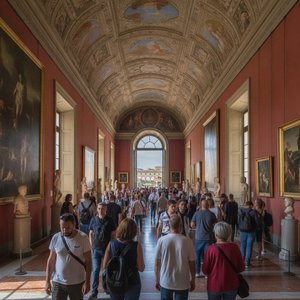
25 Must-See Masterpieces in the Uffizi Gallery, Florence
Embark on a journey through the Italian Renaissance. Explore 25 iconic masterpieces from Florence's Uffizi Gallery, featuring legends like Botticelli and Da Vinci. Find inspiration for your space with our museum-quality art reproductions. Discover all masterpieces on OriginalUniqueArt.com.