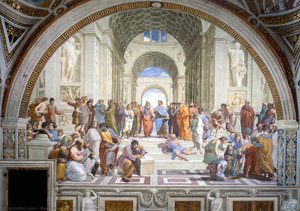
Náhled v interiéru
 Sdílet
 Sdílet
 Podrobnosti o díle
 Průvodce

 Stáhnout
 Podobné položky
 Rentgenové snímky
 Slideshow
 Q&A
Q&A Statistiky
Self-Portrait
 Oil On Canvas
- WallArt
- Neoclassical Painting
 1744
1744- Early Modern
 55.0 x 42.0 cm
 Gemäldegalerie Alte Meister
 Zobrazit více
Ručně malovaná olejová reprodukce
Rukou malované olejné plátno v libovolném rozměru i s rámem, vyrobené našimi umělci na zakázku. ( Přepnout na tisk Přepnout na digitální obraz)




P118B Kč10

P118H Kč10

P118W Kč10

P438Z Kč10

P508JH Kč12

P508YH Kč12

P805H Kč10

P805Z Kč10

P919BZ Kč10

P919G Kč10

P919XJ Kč10

P959ZH Kč10

P968JZ Kč12

W106C Kč8

W218G Kč10

W218JH Kč8

W218Y Kč10

W307PJ Kč10

W316G Kč10

W316PJ Kč8

W316Y Kč10

W398PJ Kč8

W4111J Kč10

W500HY Kč15

W500JH Kč15

W692G Kč12

W849H Kč8

W940BG Kč15

W953PJ Kč8




Vyberte si z našich přednastavených velikostí, které odpovídají původním proporcím díla.

Zadejte šířku a výšku, které potřebujete pro váš rám nebo stěnu. Protože se jedná o ruční malbu, při výběru jiného formátu může umělec kolem obrazu domalovat o něco více, nebo jej mírně oříznout — rozhodnete si vy. Před zahájením malby vám zašleme digitální náhled ke schválení. Obraz zobrazený na této stránce neodpovídá skutečnému výsledku — pouze digitální náhled jej zobrazuje.
Po přijetí objednávky vám tým OriginalUniqueArt.com zašle e-mail s pokyny a poskytne náhledovou verzi.
Celosvětová doprava () za 3–4 týdny namísto standardních 5 týdnů. (28 říjen). Bez kompromisů v kvalitě.

Zdarma celosvětová expresní doprava

Vysoce kvalitní lněné plátno

Kompletní pojištění přepravy

Záruka vrácení celního poplatku

Záruka věrného barevného souladu

100dení lhůta pro vrácení zboží (pouze při vadách výroby)

100% záruka vrácení peněz

Sleva při více objednávkách
 Skleněná varianta je dostupná pouze u rozměrů menších než 110 cm

Self-Portrait
Technika reprodukce
Rozměry reprodukce
-


Celková cena za vybrané možnosti reprodukcí
Kč 6460
A Glimpse into Enlightenment Self-Reflection
This captivating self-portrait by Anton Raphael Mengs transports us directly into the intellectual atmosphere of the mid-eighteenth century. The subject, portrayed with an arresting directness, meets the viewer's gaze with a profound seriousness that speaks volumes about the sitter’s inner life. Dressed simply in a white shirt and adorned with a delicate gold necklace, the focus remains intensely on her expression—a masterful study in controlled emotion. Mengs captures not merely a likeness, but a moment of considered introspection, inviting us to ponder the complexities of self-perception during an era of burgeoning Enlightenment thought.
Mastery of Classical Form and Depth
Technically, the painting showcases Mengs' profound grounding in classical ideals, evident from his formative years studying the great masters in Rome. The composition is remarkably balanced, yet it achieves a palpable sense of depth. Beyond the figure, the background unfolds into a detailed landscape featuring trees and architectural elements. This juxtaposition—the intimate portrait against the expansive world—is handled with remarkable skill, giving the entire scene an almost three-dimensional quality on the canvas. One can almost feel the crisp air emanating from that distant vista, contrasting beautifully with the immediacy of the sitter’s presence.
Historical Echoes: The Transition in Art
Painted in 1744, this work stands at a fascinating crossroads in art history. It captures the moment when the exuberant ornamentation of the Rococo style began to yield ground to a renewed commitment to classical clarity and structure. Mengs embodies this transition; his technique retains a certain grace while embracing the intellectual rigor and idealized form favored by Neoclassicism. Owning a reproduction of this piece is to possess a tangible link to that pivotal shift in aesthetic philosophy, suggesting an appreciation for enduring beauty over fleeting fashion.
Symbolism and Emotional Resonance
The direct gaze of the subject acts as the painting's emotional anchor. It suggests confidence, intelligence, and perhaps a quiet yearning for recognition. The landscape behind her is not merely decorative; it symbolizes the world—the backdrop against which personal identity is formed. For the collector or designer, this piece offers more than mere decoration; it serves as a sophisticated conversation starter, hinting at an appreciation for history, art theory, and enduring human depth. It imbues any space with an air of cultured contemplation.
Bringing Renaissance Grandeur Home
The dimensions of 55 x 42 cm make this portrait an ideal focal point for a drawing-room or study. Reproducing Mengs’ delicate brushwork and the rich tonal variations allows modern admirers to incorporate the grandeur of 18th-century European painting into contemporary décor. It is a piece that whispers tales of Roman academies, enlightened minds, and the enduring power of the self-portrait.
Otázky a odpovědi
Do jaké místnosti se doporučuje „Self-Portrait“ od Anton Raphael Mengs?
Doporučeným prostorem pro „Self-Portrait“ od Anton Raphael Mengs je Living Room. Toto doporučení lze samozřejmě přizpůsobit vašemu interiéru.
Jakou technikou je vytvořeno dílo "Self-Portrait"?
„Self-Portrait“ je dílo vytvořené v technice Oil On Canvas.
Jak lze vysvětlit situaci s autorskými právy u díla „Self-Portrait“ od Anton Raphael Mengs?
Dílo „Self-Portrait“ od Anton Raphael Mengs spadá do v rámci volného užití – autorská práva vypršela. Autorská práva se počítají od roku úmrtí autora; Anton Raphael Mengs zemřel(a) v roce 1779.
Biografie umělce
Most mezi světy: Život a dílo Anton Rahela Mengse
Anton Raphael Mengs se objevil v fascinující době evropského umění, v období, kdy zdobné ornamenty rokok dechující elegancí začínaly ustupovat obnovené úctě k klasickým ideálům. Narodil se v roce 1728 v Ústí nad Labem v Čechách – v regionu, který je dnes součástí České republiky – a jeho umělecká cesta byla hluboce ovlivněna jak jeho rodovými kořeny, tak intelektuálními proudy osvícenství. Jeho otec, Ismael Mengs, dánský malíř, který získal ochranu na drážském dvoře, brzy rozpoznal výjimečný talent mladého Antona. Toto uznání vedlo k zásadnímu kroku v roce 1741: přestěhování do Říma, kde se začínající umělec ponořil do studia antických mistrovských děl a díla renesančních velikánů, jako byl Rafael. Právě toto vystavení klasickému umění neotřesitelně poznamenalo jeho estetickou citlivost a vštívil mu hlubokou úctu k klasické formě, jasnosti a kompozici – vlastnostem, které se staly nedotknutelnými znaky jeho dospělého stylu. První roky byly věnovány preciznímu kopírování, nikoli pouze jako cvičení v technice, ale jako hluboký akt umělecké pouti, při níž vstřebával samotnou podstatu Rafaelova génia.Od Drážďan po Madrid: Kariéra napříč dvory
Mengsova kariéra se rozvinula na několika významných evropských dvorech, z nichž každý zanechal svou jedinečlá stopu v jeho uměleckém vývoji. V roce 1749 si zajistil prestižní pozici dvorského malíře ไฟ Fredericka Augusta, kurfürsta saského, což mu přineslo jak finanční stabilitu, tak svobodu udržovat si sídlo v Římě – epicentru jeho umělecké inspirace. Přesto to právě jeho fresky skutečně ugruntovaly jeho pověst. Dílo Parnassus ve Villa Albani v Římě, dokončené kolem roku 1761, se stalo okamžitým senzáčním úspěchem, oslavovaným pro svou harmonickou kompozici, elegantní postavy a subtilní, leč mocnou evokaci klasické mytologie. Toto dílo nebylo pouhou dekorativní ozdobou; bylo to prohlášení – záměrný pokus o syntézu barokní velkoleposti s rodícími se neklasicistickými principy. Následovaly další zakázky, včetně ohromující fresky zdobící kupoli kostela Sant'Eusebio v Římě, která demonstrovala jeho mistrovství v monumentální dekoraci a prostorové iluzi. Jeho nejambicióznějším podnikáním se však zdálo být pozvání ze španělského dvora v roce 1761. Cestoval do Madridu, kde byl pověřen zdobnutím několika královských paláců, což vyvrcholilo nádherným stropem v sále banketů Královského paláce – dílem považovaným za jeden z jeho nejlepších úspěchů, prokazujícím neuvěřitelnou schopnost spojit italskou eleganci se španělskou citlivostí.Spojení s Winckelmannem: Formování neklasicistické myšlenky
Mengsova umělecká evoluce nebyla poháněna pouze vizuálním studiem; byla hluboce protkána intelektuálním diskursem. Zásadní zlom nastal díky jeho blízkému přátelství a spolupráci s Johannem Joachimem Winckelmannem, průkopnickým dějopisem umění, jehož psaná díla se stala základem hnutí neklasicismu. Winckelmann prosazoval návrat k vnímané čistotě a prostotě starověkého řeckého umění a obhajoval estetiku založenou na rozumu, řádu a idealizovaných formách. Mengs Winckelmannovy teorie jen neilustroval; aktivně se podílel na jejich utváření a překládal abstraktní koncepty do hmatatelných uměleckých výrazů. Společně věřili, že skutečná krása nespočívá v povrchní ornamentaci, ale v podstatných principech harmonie a proporce nalezených v klasické antice. Toto partnerství přesáhlo rámec teoretických diskusí; projevilo se přímo v Mengsově malbě, která stále více odrážela Winckelmannův důraz na vznešenou prostotu a střídmé emoce. Vliv byl vzájemný: Winckelmannovo psaní poskytlo filosofický rámec pro Mengsovo umělecké snažení, zatímco Mengsovo umění sloužilo jako vizuální důkaz proveditelnosti – i krásy – neklasicistických ideálů.Odkaz a vliv: Průkopník své doby
Anton Raphael Mengs zemřel v Římě v roce 1779 a zanechal po sobě odkaz, který sahá daleko za jeho působivý soubor děl. Byl něčím víc než jen malířem; byl klíčovou postavou přechodu z jedné umělecké éry do druhé. Přestože byl zakořeněn v barokní tradici – což je patrné v jeho dramatickém využití světla a stínu i v mistrovství iluzionistických technik – Mengs odvážně přijal rodící se principy neklasicismu a připravil cestu umělcům jako Jacques-Louis David nebo Antonio Canova. Jeho důraz na klasické ideály, v kombinaci s jeho technickou virtuozitou, z něj učinil vedoucí sílu formující evropské umění 18. století. Dílo Škola Athén, namalované pro vévodu z Northumberlandu, stojí jako svědectví o jeho schopnosti syntetizovat historické precedenty se současnou uměleckou citlivostí. Kromě svých obrazů a fresků se Mengsov vliv rozšířil i do oblasti vzdělávání; působil jako ředitel Vatikánské malířské školy, kde vychovával novou generaci umělců hluboce zasazených do klasických principů. Byl komplexní postavou – hluboce věřící katolík, který se zároveň angažoval v myšlenkách osvícenství, umělec, který vyvažoval tradici s inovací. Jeho život a dílo představují fascinující průsečík uměleckých dovedností, intelektuální zvídavosti a historických okolností, čímž si upevnil své místo skutečného průkopníka neklasicistického umění. Jeho dopad rezonuje i dnes a připomíná nám nesmrtelnou sílu klasických ideálů inspirovat a transformovat uměleckou vý expression.
Anton Raphael Mengs
1728 - 1779 , Česká republika
Rychlé informace o umělci
- Artistic Movement Or Style: Klasicismus
- Artists Or Movements Influenced By This Artist: ['Winckelmann']
- Artists Who Influenced This Artist:
- Raphael
- Correggio
- Date Of Birth: 12. března 1728
- Full Name: Anton Raphael Mengs
- Nationality: Německý
- Notable Artworks:
- Parnassus
- Sant' Eusebio
- Škola Athén
- Place Of Birth: Ústí nad Labem, Česká republika
Související články

Deset mistrovských děl neoklasicismu: Umění, které definovalo éru | OriginalUniqueArt.cz
Prozkoumejte 10 ikonických děl neoklasicismu od mistrů jako David, Ingres a Canova. Objevte příběhy za uměleckými technikami a nadčasovou krásou. Reprodukce obrazů nejvyšší kvality na OriginalUniqueArt.cz – inspirace pro váš interiér!

Giclée Prints: Archival Quality & Aesthetic Nuances for the Discerning Collector
Explore the world of giclée prints with OriginalUniqueArt. Learn about archival quality, aesthetic nuances & investment potential. Expert guidance for discerning art collectors seeking museum-quality reproductions and lasting value.

The Rococo Aesthetic: Opulence, Rebellion & the Pursuit of Pleasure in 18th-Century Art
Explore the opulent world of Rococo art! Discover its origins, key artists like Watteau & Boucher, and lasting influence on design. Expert insights for collectors & enthusiasts.

Echoes of Time: Exploring the Enduring Appeal & Historical Context of Vintage Art Prints
Explore the captivating world of vintage art prints! Discover their history, collecting tips & enduring appeal. Expert insights on chromolithography and building a legacy collection with OriginalUniqueArt.

Top 10 mistrovských děl rokokového umění | OriginalUniqueArt.cz
Prozkoumejte 10 ikonických děl rokokového umění – Fragonard, Boucher a další. Objevte příběhy mistrů, techniky a pastelové barvy tohoto elegantního stylu. Reprodukce obrazů nejvyšší kvality na OriginalUniqueArt.cz!