
 Náhled v interiéru
 Sdílet
 Sdílet
 Podrobnosti o díle
 Průvodce

 Stáhnout
 Podobné položky
 Rentgenové snímky
 Slideshow
 Otázky a odpovědi
 Statistiky
Ecce Homo


 Zobrazit více
Giclée / Umělecký tisk
Giclée nebo plátěný tisk muzeální kvality s rychlou výrobou a širokou nabídkou povrchových úprav. ( Koupit ručně malovaný obraz Přepnout na digitální obraz)




P118B Kč10

P118H Kč10

P118W Kč10

P438Z Kč10

P508JH Kč12

P508YH Kč12

P805H Kč10

P805Z Kč10

P919BZ Kč10

P919G Kč10

P919XJ Kč10

P959ZH Kč10

P968JZ Kč12

W106C Kč8

W218G Kč10

W218JH Kč8

W218Y Kč10

W307PJ Kč10

W316G Kč10

W316PJ Kč8

W316Y Kč10

W398PJ Kč8

W4111J Kč10

W500HY Kč15

W500JH Kč15

W692G Kč12

W849H Kč8

W940BG Kč15

W953PJ Kč8




Vyberte si z našich přednastavených velikostí, které odpovídají původním proporcím díla.

Zadejte šířku a výšku, které potřebujete pro váš rám nebo stěnu. Tisk lze pouze oříznout, nikdy však nelze zvětšit obraz nad jeho původní rozměr, proto při výběru jiného formátu dochází ke ztrátě části obrazu. Před samotným tiskem vám zašleme digitální náhled k schválení. Obraz zobrazený na této stránce nenabízí skutečný výřez — ten uvidíte pouze v náhledu.
Celosvětové doručení () do 2 týdnů namísto standardních 4/5 týdnů. (7 listopad)

Zdarma celosvětová expresní doprava

Vysoce kvalitní lněné plátno

Kompletní pojištění přepravy

Záruka vrácení celního poplatku

Záruka věrného barevného souladu

100dení lhůta pro vrácení zboží (pouze při vadách výroby)

100% záruka vrácení peněz

Sleva při více objednávkách
 Skleněná varianta je dostupná pouze u rozměrů menších než 110 cm

Ecce Homo
Giclée / Umělecký tisk
Rozměry reprodukce
-


Celková cena za vybrané možnosti reprodukcí
Kč 1763
Ecce Homo: Symbol of Suffering and Divine Grace
Antoine Étex’s “Ecce Homo” – Behold the Man – transcends mere depiction; it embodies a pivotal moment in French artistic evolution, bridging the gap between Neoclassical restraint and Romantic fervor. Created in 1856, this monumental marble sculpture group stands as a testament to Étex's mastery of classical form infused with palpable emotion—a characteristic hallmark of his oeuvre and emblematic of the broader artistic trends shaping France during the Second Empire. Located within Saint-Eustache Church in Paris, it immediately draws the viewer’s gaze into its carefully orchestrated composition and dramatic interplay of light and shadow.Composition and Technique: A Symphony of Symmetry
The sculpture's central axis is dominated by Jesus Christ himself, positioned at the heart of an arched architectural setting—a deliberate choice reflecting the influence of Roman triumphal arches and reinforcing the artwork’s solemn grandeur. Three angels flank Jesus on either side, their drapery rendered with flowing lines that convey movement and grace – a stylistic departure from the rigid geometries favored by earlier Neoclassical sculptors. Étex skillfully employed traditional carving techniques to achieve remarkable detail and textural nuance within the marble, capturing the contours of flesh and fabric with meticulous precision. The sculptor’s dedication to anatomical accuracy speaks volumes about his understanding of classical ideals of beauty and proportion.Historical Context: From Classical Idealism to Romantic Expression
“Ecce Homo” emerged during a period of significant artistic transformation in France. While Neoclassicism, championed by artists like Jacques-Louis David, prioritized idealized forms and rational order—a reaction against the turbulent upheavals of the French Revolution—Romanticism was gaining momentum, prioritizing emotion, imagination, and subjective experience. Étex’s work exemplifies this shift, subtly incorporating Romantic sensibilities into a framework rooted in classical tradition. The sculpture's subject matter – Jesus presented to the crowd before his crucifixion – aligns perfectly with the Romantic preoccupation with human suffering and spiritual contemplation.Symbolism: Suffering, Sacrifice, and Divine Mercy
The pose of Jesus—arms outstretched in supplication—is laden with symbolic significance. It represents surrender to divine will and acceptance of sacrifice—themes central to Christian theology and powerfully conveyed through sculpture. The angels surrounding Jesus symbolize divine compassion and protection, reinforcing the artwork’s overarching message of mercy and redemption. Étex's masterful execution ensures that these profound ideas resonate deeply within the viewer’s consciousness.Emotional Impact: Reverence and Melancholy
“Ecce Homo” evokes a powerful emotional response—one of reverence for religious faith and melancholy contemplation on human mortality. The dramatic lighting enhances the sculpture’s sculptural form, emphasizing its contours and creating striking contrasts between light and shadow that heighten its expressive power. Viewing this artwork is an experience of profound solemnity, prompting reflection on themes of sacrifice, compassion, and divine grace—a legacy that continues to inspire artists and collectors alike.Otázky a odpovědi
Do jaké místnosti se doporučuje „Ecce Homo“ od Antoine Étex?
Dílo „Ecce Homo“ od Antoine Étex je doporučeno do místnosti Obývací pokoj. Toto doporučení vychází z tématu, barevnosti a nálady daného díla.
Lze dílo „Ecce Homo“ od Antoine Étex, které je uloženo v Saint-Eustache, legálně reprodukovat?
Autorskoprávní status díla „Ecce Homo“ od Antoine Étex je jasný: toto dílo spadá do v rámci volného užití – autorská práva vypršela. Jeho umístění v instituci Saint-Eustache tento stav nemění.
Kde mohu najít statistiky k dílu „Ecce Homo“ od Antoine Étex?
Pro dílo „Ecce Homo“ je k dispozici stránka Statistiky. Zobrazuje měsíční počet návštěv tohoto díla i dalších děl daného umělce s rozpadem podle zemí a jazyků.
Biografie umělce
A Life Bridging Worlds: Antoine Étex and the French Artistic Transition
Antoine Étex, born in Paris in 1808 and passing away in Chaville in 1888, occupies a fascinating, if sometimes overlooked, position within the landscape of 19th-century French art. He was an artist of remarkable versatility—a sculptor first and foremost, but also a painter and architect—who embodied the shifting currents that moved France from the formality of Neoclassicism toward the emotional intensity of Romanticism. Étex’s career wasn't defined by radical innovation, but rather by a skillful synthesis of tradition and emerging sensibilities, making his work a compelling reflection of its era. His early aptitude for the arts led him to formal training in sculpture, a discipline that would remain central to his artistic identity throughout his life, instilling within him a meticulous technique and deep understanding of classical forms.Early Recognition and Monumental Commissions
Étex first presented his work to the public at the prestigious Paris Salon in 1833, immediately signaling his arrival as a talent to watch. Two pieces were exhibited that year: a marble reproduction of *Death of Hyacinthus* and a plaster cast titled *Cain and His Race Cursed by God*. These early works demonstrated not only technical proficiency but also an ability to imbue mythological narratives and biblical scenes with dramatic weight and emotional resonance. However, it was a commission from Adolphe Thiers, then Minister of Public Works, that truly propelled Étex into the forefront of French artistic life. He was entrusted with creating the sculptural groups of *Peace* and *War* intended to adorn the east facade of the Arc de Triomphe. Completed between 1833 and 1837, these monumental sculptures were more than just decorative elements; they were statements of national identity and civic virtue, and their successful execution cemented Étex’s reputation as a leading sculptor of his generation. The scale and ambition of this project established him as an artist capable of handling large-scale public works with both technical skill and artistic vision.A Diverse Oeuvre: Sculpture, Painting, and Architecture
While best known for the Arc de Triomphe sculptures, Étex’s creative output was remarkably diverse. His oeuvre encompassed a wide range of sculptural groups exploring mythological and religious themes, demonstrating his continued engagement with classical subject matter. Beyond sculpture, he also undertook architectural projects, designing tombs and monuments that showcased his understanding of spatial relationships and decorative detail. Perhaps surprisingly to some, Étex also produced paintings, such as *Eurydice* and *The Martyrdom of Saint Sebastian*, revealing a versatility across different media that speaks to the breadth of his artistic interests. His style is characterized by a compelling blend of Neoclassical precision—evident in the anatomical accuracy and careful modeling of his figures—and Romantic expressiveness, which manifests in the dramatic narratives and heightened emotionality of his compositions. He didn’t abandon classical forms entirely, but infused them with a new sense of dynamism and psychological depth.A Poignant Tribute: The Tomb of Théodore Géricault
Among Étex's most poignant achievements is the tomb he designed for fellow artist Théodore Géricault in Père Lachaise Cemetery. This memorial stands as a powerful testament to both artistic skill and personal respect. It features a bronze figure of Géricault himself, gazing thoughtfully into the distance, alongside a low-relief depiction of his controversial masterpiece, *The Raft of the Medusa*. The choice to include this specific work is particularly significant; it acknowledges Géricault’s bold departure from academic conventions and his unflinching portrayal of human suffering. Étex's tomb isn’t merely a marker of death but a celebration of artistic courage and a poignant dialogue between two generations of French artists. It demonstrates Étex’s ability to capture complex emotions and translate them into enduring sculptural form.Legacy and Historical Significance
Antoine Étex was not solely dedicated to the practical execution of art; he also engaged with its intellectual underpinnings, authoring essays on subjects related to artistic theory and practice. This demonstrates a thoughtful engagement with the broader artistic discourse of his time. While perhaps not as widely celebrated today as some of his contemporaries, Étex’s contributions remain vital for understanding the development of 19th-century French sculpture and art. His work reflects the transitional period between Neoclassicism and Romanticism, bridging the gap between classical tradition and modern expression. He influenced subsequent generations of sculptors who sought to combine technical mastery with emotional depth, leaving behind a legacy that continues to resonate within the history of French art. His influence can be seen in the continued exploration of narrative sculpture and the integration of dramatic storytelling into monumental public works.
Antoine Étex
1808 - 1888 , France
Rychlé informace o umělci
- Full Name: Antoine Étex
- Nationality: French
- Date Of Birth: 1808
- Date Of Death: 1888
- Place Of Birth: Paris, France
- Notable Artworks:
- Peace
- War
- Géricault's Tomb
- Blanche de Castille
- Eurydice
- The Martyrdom of Saint Sebastian
- Artistic Movement Or Style: Neoclassical, Romanticism
Související články

10 legendárních bronzových soch, které změnily umění | OriginalUniqueArt
Objevte 10 legendárních bronzových soch od Michelangela, Rodina a dalších mistrů! Ponořte se do historie umění, technik a příběhů za těmito nadčasovými díly. Najděte inspiraci pro váš interiér s OriginalUniqueArt.com – repliky nejvyšší kvality.

The Enduring Form: Exploring Themes & Techniques in Sculpture Across Historical Periods
Explore the rich history of sculpture from ancient masterpieces to contemporary innovations. Discover key techniques, influential artists & investment potential for discerning art collectors.
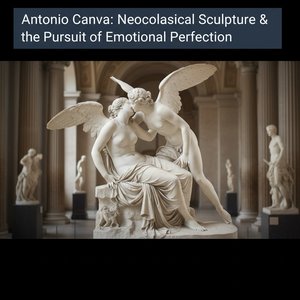
Antonio Canova: Neoclassical Sculpture & the Pursuit of Emotional Perfection
Explore the life & art of Antonio Canova, the greatest Neoclassical sculptor. Discover his masterpieces, innovative techniques, and lasting influence on fine art collecting. Expert insights for discerning investors.

10 legendárních bronzových mistrovských děl, která změnila umění | OriginalUniqueArt
Objevte 10 legendárních bronzových mistrovských děl od Rodina, Donatella a dalších. Ponořte se do historie umění a nechte se inspirovat nadčasovými sochařskými replikami pro váš interiér. Prozkoumejte celou kolekci online na OriginalUniqueArt.com!

The Enduring Form: Sculpture Across History, Technique & Emotional Resonance
Explore the rich history of sculpture with OriginalUniqueArt. Discover key techniques, influential artists & investment potential for discerning collectors. Expert insights into valuing and collecting timeless masterpieces.
