

 Náhled
 Sdílet
 Sdílet
 Podrobnosti o díle

 Stáhnout
 Podobné položky
 Rentgenové snímky
 Slideshow
 Statistiky
A Thames Bawley
 Historical Nautical Art
 77.0 x 122.0 cm
 Zobrazit více
Ručně malovaná olejová reprodukce
Ručně malovaná olejná barva na plátně ve vašem zvoleném rozměru i s rámem, vyrobená našimi umělci na zakázku. ( Přepnout na tisk Přepnout na digitální obraz)




































Vyberte si z našich přednastavených velikostí, které odpovídají původním proporcím díla.

Můžete zadat vlastní rozměry pro konkrétní rám nebo prostor. Pokud se vámi vybraná velikost neshoduje s proporcemi původního obrazu, dílo buď ořízneme, nebo jej doplníme ručně malovanými prvky. Před zahájením výroby vám bude zaslán digitální náhled ke schválení.
Upozorňujeme, že náhled na obrazovce neodpovídá skutečnému ořezu ani rozšíření. Pouze digitální náhled přesně zobrazí finální kompozici.
Ačkoliv je možné zvolit vlastní velikost, pro zachování původních proporcí doporučujeme vybrat rozměr z předdefinovaného seznamu.
Po přijetí objednávky vám tým OriginalUniqueArt.com zašle e-mail s pokyny a poskytne náhledovou verzi.
Celosvětová doprava () za 3–4 týdny namísto standardních 5 týdnů. (14 září). Bez kompromisů v kvalitě.

Zdarma celosvětová expresní doprava

Vysoce kvalitní lněné plátno

Kompletní přepravní pojištění

Záruka vrácení celního poplatku

Záruka přesného barevného shodu

100dená lhůta pro vrácení zboží (pouze při vadách)

100% garance vrácení peněz

Sleva při hromadné objednávce
 Skleněná varianta je dostupná pouze u rozměrů menších než 110 cm

A Thames Bawley
Technika reprodukce
Rozměry reprodukce
-


Celková cena za výběr
$ 350
Biografie umělce
The Visionary Eye of Anthony Carey Stannus
In the grand tapestry of Victorian art, few threads are woven with as much meticulous precision and atmospheric depth as those left by Anthony Carey Stannus. Born in London in 1830 to an affluent family with prestigious ties to the Royal Family, Stannus possessed a lineage that suggested a life of leisure, yet his true destiny lay in the rigorous pursuit of artistic truth. His early years were shaped by the disciplined guidance of private tutors, but it was within the hallowed halls of the Slade School of Fine Art that his talent truly began to crystallize. Under the watchful eyes of masters such as Frederic Leighton and George Watts, Stannus absorbed the classical ideals of form and composition, yet he remained a restless spirit, forever seeking to bridge the gap between academic perfection and the raw, unvarnished reality of the natural world.
Stannus’s journey was never confined to the studios of London. He was an artist of movement and exploration, undertaking extensive sketching expeditions across Britain and Europe. These travels were more than mere sightseeing; they were essential pilgrimages that allowed him to document the shifting light of landscapes and the rugged textures of the earth with unparalleled accuracy. His time in Mexico between 1864 and 1868 stands as a particularly transformative chapter in his biography. Serving as an artist within the army of Emperor Maximilian, Stannus captured a world far removed from the London fog. His "Views in Mexico" serve as a breathtaking historical record, documenting everything from the vibrant flower boats of Xochimilco to the imposing volcanic craters, all rendered with a romantic realism that brought the distant landscape to life for his European audience.
A Mastery of Realism and Technique
What truly distinguishes the work of Stannus is his unwavering commitment to verisimilitude. While many of his contemporaries sought refuge in the idealized or the overly sentimental, Stannus embraced a profound realism that captured the essence of his subjects—their physical presence and their psychological depth. This was achieved through a technical process that was as much about patience as it was about skill. He was a master of layering thin, translucent glazes over toned canvases, a method that allowed him to build up luminosity and create subtle tonal gradations that seemed to glow from within the painting itself.
His versatility allowed him to navigate between vastly different genres with ease:
- Portraiture: In his portraits, such as the dignified depiction of Archibald Kennedy, 3rd Marquess of Ailsa, he utilized controlled brushwork to convey not just the regalia of status, but the weight of character and authority.
- Maritime Art: His nautical scenes, including works like A Thames Bawley, showcase a romantic mastery of water and light, where the movement of the tide and the texture of the sails are rendered with breathtaking tactile quality.
- Landscape and Illustration: His ability to translate complex environments into narrative illustrations for publications like the Illustrated London News solidified his reputation as a premier visual chronicler of his age.
Legacy of a Victorian Master
As the nineteenth century drew to a close, the work of Anthony Carey Stannus remained a testament to the enduring power of observation. He did not merely paint what he saw; he painted how it felt to stand before the subject, capturing the fleeting atmospheric qualities that define a moment in time. His legacy is found in the quiet strength of his portraits and the sweeping drama of his maritime and landscape works, which continue to resonate with collectors and historians alike.
Through his disciplined technique and his adventurous spirit, Stannus bridged the gap between the classical traditions of his training and the burgeoning realism of a changing world. He remains a vital figure in the study of British Victorian art, reminding us that true artistry lies in the ability to find the extraordinary within the details of the real.

anthony carey stannus
1830 - 1919
Rychlé fakta
- Artistic Movement Or Style: Realism
- Artists Who Influenced This Artist:
- George Frederic Watts
- William Holman Hunt
- Date Of Birth: 1830
- Date Of Death: 1919
- Full Name: Anthony Carey Stannus
- Nationality: British
- Notable Artworks:
- The Astronomer
- Portrait of Lady Harriet Wyndham
- Place Of Birth: London, England
Související články

The Enduring Legacy of 18th & 19th Century Art: Movements, Masters & Societal Reflections
Explore the rich history of 18th & 19th-century art! Discover Romanticism, Realism, and iconic masters like Delacroix & Courbet. Expert insights & high-quality reproductions at OriginalUniqueArt.
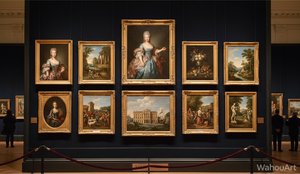
18. století v umění: Top 10 děl a jejich příběhy | OriginalUniqueArt
Prozkoumejte 10 ikonických děl umění 18. století – od baroka po rokokó! Obrazy Davida, Gainsborough a dalších mistrů. Repliky obrazů pro váš interiér na OriginalUniqueArt.com. Inspirujte se a objevte krásu klasicistního stylu online.
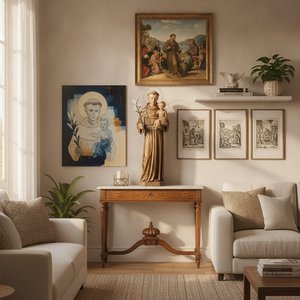
Discover the Divine: Inspiring Saint Anthony Artworks to Elevate Your Home Decor
Transform your home with the profound beauty of Saint Anthony artworks. Explore exquisite Baroque reproductions by Murillo and Zurbarán, hand-painted on 100% cotton canvas to bring divine serenity and timeless elegance to your interior design.
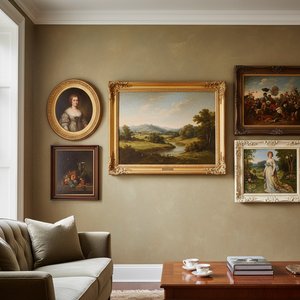
Iconic Art of the 18th & 19th Centuries: Masterpieces for Your Home | OriginalUniqueArt
Journey through 18th & 19th century art! Explore iconic masterpieces by Monet, Van Gogh & more. Discover the stories behind these timeless paintings and find museum-quality reproductions for your home at OriginalUniqueArt.com.

19. století v umění: Top 10 děl a jejich příběhy | OriginalUniqueArt
Prozkoumejte 10 ikonických děl 19. století – od romantismu po impresionismus! Obrazy Courbeta, Moneta a dalších mistrů s příběhy a technikami. Najděte inspiraci pro váš interiér a kvalitní reprodukce na OriginalUniqueArt.com.