Baroque Renaissance Revival · 1610
Pietà (Annibale Carracci, 1610)
Annibale Carracci (1560–1609) vytvořil dílo Pietà. Pochází z roku 1610. Patří k hnutí Baroque Renaissance Revival. Je vyrobeno z Oil On Canvas. Nachází se v Reading Public Museum v Reading, Spojené státy americké.
- 1610
- Oil On Canvas
- Reading Public Museum

 Náhled v interiéru

 Ručně malovaná olejná reprodukce
 Sdílet
 Sdílet
 Informační list pro studenty


 Stáhnout
 Podobné položky
 Rentgenové snímky
 Slideshow
 Otázky a odpovědi

 Statistiky
Pietà v kostce
- Název díla
- Pietà
- Autor
- Annibale Carracci (1560–1609)
- Rok narození umělce
- Bologna, Itálie
- Datum vytvoření
- 1610
- Technika
- Oil On Canvas
- Kde jej vidět
- Reading Public Museum, Reading, Spojené státy americké
- Motiv
- religious scene, virgin mary, sculpture theme, carracci artwork, pietà depiction, renaissance italy
Co przedstawuje dílo Pietà?
Annibale Carracci’s Pietà: A Renaissance Echo in Bolognese Light
Annibale Carracci's 1610 *Pietà* stands as a pivotal work, not just within the artist’s oeuvre but also as a testament to the burgeoning artistic spirit of Bologna during the early 17th century. Emerging from a family steeped in artistic tradition – his father was a painter and his brother Agostino followed in his footsteps – Carracci's ambition extended beyond simply replicating established styles; he sought to reinvigorate Italian painting with a renewed commitment to classical ideals while simultaneously grounding it in a profound understanding of human emotion and naturalism. This *Pietà* embodies this complex synthesis, offering a poignant meditation on grief, faith, and the enduring power of maternal love.
- Subject Matter: The composition depicts the Virgin Mary cradling the lifeless body of Christ, a subject universally recognized as embodying profound sorrow and spiritual devotion. Carracci’s interpretation moves beyond mere representation to capture the raw emotion inherent in this iconic scene.
- Style & Technique: Carracci was a key figure in the Bolognese school of painting, which emphasized clarity, order, and a return to High Renaissance principles. His brushwork is characterized by smooth transitions, meticulous detail, and a masterful use of light and shadow – *chiaroscuro* – to create a sense of volume and realism. The painting demonstrates his skill in creating an illusion of depth and texture, particularly evident in the drapery and the textures of Christ’s body.
Historical Context: Bologna's Artistic Renaissance
Bologna in the early 17th century was a city undergoing significant intellectual and artistic transformation. Following the decline of Rome as the undisputed center of art, cities like Bologna emerged as vibrant hubs of creativity, fostering a spirit of innovation and experimentation. Carracci’s work was deeply influenced by this environment, particularly his involvement with the *Accademia degli Incamminati*, an academy founded to revive classical ideals and establish new artistic standards. This academy served as a crucial training ground for young artists, including Carracci himself, and played a vital role in shaping the artistic landscape of Italy.
The painting’s creation coincided with a period of religious upheaval and intense spiritual reflection within Europe. The Counter-Reformation was actively seeking to reaffirm Catholic doctrine and inspire faith through art, and Carracci's *Pietà* reflects this engagement, offering a powerful visual representation of Christian piety.
Symbolism & Emotional Impact
The *Pietà* is rich in symbolic meaning. Mary’s sorrowful expression, her posture of grief, and the delicate handling of Christ’s body all convey a profound sense of loss and compassion. The composition itself – with Mary presented as a serene and dignified figure amidst the devastation – reinforces her role as a symbol of purity, grace, and maternal love. The inclusion of the birds, often interpreted as symbols of hope and resurrection, adds another layer of complexity to the scene, suggesting that even in death, there is the promise of eternal life.
Carracci’s masterful use of light further enhances the emotional impact of the work. The soft, diffused illumination creates a sense of serenity and reverence, drawing the viewer's eye to the central figures and amplifying their expressions of sorrow. The overall effect is one of profound contemplation and spiritual solace.
A Masterpiece Reimagined
OriginalUniqueArt offers meticulously crafted hand-painted reproductions of Annibale Carracci’s *Pietà*, allowing you to experience the beauty and emotional power of this iconic work in your own space. Each reproduction is created using traditional techniques, ensuring exceptional detail and color accuracy. Whether adorning a grand salon or a smaller study, this timeless masterpiece will undoubtedly become a focal point of admiration and contemplation.
Ve kterém muzeu se nachází Pietà?
Reading Public Museum
Reading, Spojené státy americké
Tapestrie světů: Objevování Reading Public Museum V samotném srdci Reading v Pensylvánii se nachází Reading Public Museum, které je mnohem víc než jen prostou sbírkou artefaktů; je to živoucí brána, která nás propojuje se staletími lidské kreativity a kulturní výměny. Tato dynamická instituce, založená na odkazu Dr. Leviho W.


Vysokorozlišené fotografie díla Pietà

Annibale Carracci, Pietà (1610), Reading Public Museum. Veřejná doména
Odpovědi na otázky k dílu Pietà
Které muzeum uchovává originál díla "Pietà"?
Originál díla „Pietà“ si můžete prohlédnout v instituci Reading Public Museum, Reading, Spojené státy americké.
V jakém roce bylo vytvořeno dílo „Pietà“ od Annibale Carracci?
Dílo "Pietà" pochází z roku 1610. Toto datum situuje dílo do období tvůrčí činnosti Annibale Carracci i do jeho dobové kontextu.
Jakou technikou je vytvořeno dílo "Pietà"?
Annibale Carracci pro dílo „Pietà“ použil/a techniku Oil On Canvas. Tato technika definuje materiální podstatu originálního díla.
Co zachycuje dílo „Pietà“ od Annibale Carracci?
Motivy díla „Pietà“ jsou religious scene, virgin mary, sculpture theme, carracci artwork, pietà depiction, renaissance italy, human emotion.
Lze obraz díla „Pietà“ od Annibale Carracci volně reprodukovat?
Stav autorských práv pro dílo „Pietà“ od Annibale Carracci: toto dílo spadá do v rámci volného užití – autorská práva vypršela. To určuje, zda lze volně vytvářet reprodukce tohoto obrazu.
Kdo vytvořil "Pietà"?
Dílo "Pietà" se připisuje autorovi Annibale Carracci.
K kterému uměleckému směru patří „Pietà“ od Annibale Carracci?
„Pietà“ je dílo z období Baroque Renaissance Revival. Tento směr představuje uměleckou tradici, jejíž je dílo součástí.
Do které éry tvorby Annibale Carracci spadá dílo "Pietà"?
V rámci kariéry umělce Annibale Carracci spadá dílo „Pietà“ do období Late Renaissance. Tato fáze umožňuje jeho srovnání s dalšími díly tohoto umělce.
Kolik let bylo Annibale Carracci, když v roce 1610 vytvořil(a) dílo „Pietà“?
Annibale Carracci bylo 50 let, když v roce 1610 vytvořilo dílo „Pietà“. Věk je vypočítán z roku narození umělce, 1560.
O umělci, Annibale Carracci
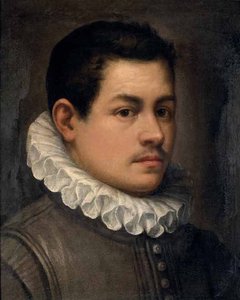
1560–1609, Itálie
Annibale Carracci
Early Life and the Bolognese Roots Annibale Carracci, narozený v Bolgni v listopadu 3., 1560, pocházel z rodiny hluboce zakořeněné v umělecké tradici. Jeho rané vzdělání pravděpodobně probíhalo v péči svého rodinného ateliéru, kde položil základy kariéry, která by zásadně proměnila italskou malířskou krajinu. Bolgna v té době byla pulzující centrem intelektuálního a uměleckého rozmachu, přesto se cítila poněkud vzdálená od dominantních proudů vycházejících z Říma a Benátkek. Tento pocit provinčníhoství poháněl touhu po nových cestách mezi skupinou mladých umělců – Annibalem, jeho bratrem Agostinem a příbuzným Ludovicem – aby vytvořili nový směr, který by obohatil italské umění tím, že se opíral o mistrovské díla Vysokého Renesansu, zatímco zároveň přijímal naturalistický přístup.
O umělci Annibale Carracci Významná díla umělce Annibale Carracci
Také od autora Annibale Carracci
 Slunce bobulovozruče
 Hérakylova volba
 Výběr Herakla1596
 Řeka1589

Eseje k tématu Pietà
 Pietro da Cortona: Baroque Grandeur & the Synthesis of Roman PaintingExplore the life & masterpieces of Pietro da Cortona, a defining figure of the Italian Baroque. Discover his stunning frescoes at Palazzo B…
 The Instant Masterpiece: Curating Timeless Elegance with OriginalUniqueArt’s Ready-to-Ship Hand-Painted Oil CollectionsElevate your estate with OriginalUniqueArt’s ready-to-ship hand-painted oil reproductions. Discover museum-quality masterpieces, bespoke co…
 Annibale Carracci: Bridging Renaissance Ideals & Baroque InnovationExplore the life & art of Annibale Carracci, a pivotal figure bridging Renaissance ideals with Baroque innovation. Discover his masterpiece…