Baroque · 1592
Pan (Annibale Carracci, 1592)
Annibale Carracci (1560–1609) vytvořil dílo Pan. Pochází z roku 1592. Patří k hnutí Baroque. Je vyrobeno z Oil On Canvas. Nachází se v National Gallery of Victoria v Melbourne, Austrálie. Rozměry jsou 109 × 135 cm.
- 1592
- Oil On Canvas
- 109 × 135 cm
- National Gallery of Victoria, Melbourne

 Náhled v interiéru

 Ručně malovaná olejná reprodukce
 Sdílet
 Sdílet
 Informační list pro studenty


 Stáhnout
 Podobné položky
 Rentgenové snímky
 Slideshow
 Otázky a odpovědi

 Statistiky
Pan v kostce
- Název díla
- Pan
- Autor
- Annibale Carracci (1560–1609)
- Rok narození umělce
- Bologna, Itálie
- Datum vytvoření
- 1592
- Technika
- Oil On Canvas
- Rozměry
- 109 × 135 cm
- Kde jej vidět
- National Gallery of Victoria, Melbourne, Austrálie
- Pohyb
- Baroque
- Motiv
- pan, greek god, mythology, carracci, foreshortening, renaissance
Co przedstawuje dílo Pan?
A Vision of Rustic Divinity: Annibale Carracci’s Pan
Annibale Carracci's "Pan," painted circa 1592, is not merely a depiction of the Greek god; it’s an embodiment of primal nature, a vibrant assertion of earthly delight rendered with breathtaking technical skill and imbued with the burgeoning spirit of the Bolognese school. This painting transcends simple portraiture, offering instead a glimpse into a world teeming with instinct, fertility, and the intoxicating allure of the wild. Commissioned by Cesare d'Este for his opulent Palazzo dei Diamanti in Ferrara – a palace itself reflecting the lavish tastes of the Renaissance court – “Pan” was intended to be part of a larger decorative scheme, a carefully orchestrated symphony of classical mythology designed to evoke grandeur and celebrate the power of the Este family.
Carracci’s genius lies in his masterful manipulation of perspective and color. The scene unfolds with a dramatic *di sotto in sù* foreshortening – a technique borrowed from earlier Renaissance masters but perfected by Carracci – that draws the viewer into the god's immediate presence. Pan, seated atop a ram or goat (the animal’s identity deliberately ambiguous), is presented not as an imposing deity, but as a youthful, almost mischievous figure. His pose is relaxed, his expression playful, and his limbs are rendered with a remarkable sense of naturalism that distinguishes this work from the more idealized depictions prevalent at the time. The rich palette – dominated by earthy reds, ochres, and greens – creates a tactile quality, inviting the viewer to almost feel the warmth of the Italian sun on Pan’s skin and the rough texture of his attire.
The Language of Symbolism
Pan, in Greek mythology, is the god of shepherds, flocks, wild animals, music, and revelry. He embodies the untamed spirit of nature, a force both alluring and potentially dangerous. Carracci’s portrayal captures this duality perfectly. The ram or goat beneath Pan isn't simply an animal; it represents fertility, abundance, and the cyclical rhythms of life and death – essential themes within the context of the Renaissance fascination with classical antiquity. The inclusion of the pipe, a traditional instrument associated with Pan, further reinforces his role as the patron of music and dance, suggesting a celebration of earthly pleasures.
Notably, the presence of the book or scroll in Pan’s hand hints at a deeper layer of meaning. While often depicted as a wild god, Pan was also associated with prophecy and knowledge – a connection that aligns with the intellectual climate of Renaissance Italy. The object could represent his ability to interpret the signs of nature, offering a glimpse into the mysteries of the world.
A Bridge Between Eras
“Pan” stands as a pivotal work in the transition from the High Renaissance to the Baroque period. Carracci’s embrace of naturalism and dramatic perspective – hallmarks of the Bolognese school – paved the way for the heightened emotional intensity and dynamic compositions that would characterize the Baroque style. His meticulous attention to detail, combined with his innovative use of *di sotto in sù* foreshortening, demonstrates a profound understanding of both classical principles and contemporary artistic trends. The painting’s placement within a larger decorative scheme further highlights its significance as a key element in the revival of classical art during the late 16th century.
A Timeless Appeal
More than four centuries after its creation, “Pan” continues to captivate viewers with its vibrant energy and evocative imagery. It’s a painting that speaks to our enduring fascination with nature, mythology, and the primal instincts that lie at the heart of human experience. Reproductions of this masterpiece offer an opportunity to bring this extraordinary vision into any setting, adding a touch of rustic divinity and timeless beauty to your home or office.
Ve kterém muzeu se nachází Pan?
National Gallery of Victoria
Melbourne, Austrálie
Původy a historie National Gallery of Victoria National Gallery of Victoria byla založena v roce 1861. Její vznik připadl na éru zlatohlubiny, období neuvěřitelného a rychlého růstu kolonie. V počátcích se tato instituce představovala jako skromné úložiště sádových odlitků, které mělo sloužit jako kulturní most k ugruntovaným uměleckým tradicím z Evropy.


Vysokorozlišené fotografie díla Pan

Annibale Carracci, Pan (1592), National Gallery of Victoria. Veřejná doména
Odpovědi na otázky k dílu Pan
Kde je dnes možné vidět dílo „Pan“ od Annibale Carracci?
Originál díla „Pan“ od Annibale Carracci je uložen v instituci National Gallery of Victoria, Melbourne, Austrálie. Reprodukce však umožňuje toto dílo vystavit i ve vašem domově.
V jakém roce vzniklo dílo "Pan"?
Dílo „Pan“ od Annibale Carracci vzniklo v roce 1592.
Jakou techniku bylo použito pro dílo „Pan“ od Annibale Carracci?
Technikou díla „Pan“ od Annibale Carracci je Oil On Canvas. Reprodukce mají za cíl věrně zachytit vzhled této techniky.
Jaké jsou rozměry originálu díla „Pan“ od Annibale Carracci?
Rozměry originálního díla „Pan“ od Annibale Carracci jsou 109 x 135 cm.
Co zachycuje dílo "Pan"?
Motivy díla „Pan“ jsou pan, greek god, mythology, carracci, foreshortening, renaissance, baroque, deity.
Lze obraz díla „Pan“ od Annibale Carracci volně reprodukovat?
Stav autorských práv pro dílo „Pan“ od Annibale Carracci: toto dílo spadá do v rámci volného užití – autorská práva vypršela. To určuje, zda lze volně vytvářet reprodukce tohoto obrazu.
K kterému umělci je dílo "Pan" připisováno?
Dílo "Pan" vytvořil/a Annibale Carracci. Informace na této stránce popisují originální dílo umělce Annibale Carracci.
K jakému stylu patří „Pan“?
„Pan“ je dílo z období Baroque. Tento směr představuje uměleckou tradici, jejíž je dílo součástí.
Do které období tvorby Annibale Carracci patří dílo „Pan“?
Dílo „Pan“ pochází z období Mature Period v tvorbě umělce Annibale Carracci. Tato klasifikace dílo zasazuje do kontextu vývoje jeho tvůrčí dráhy.
O umělci, Annibale Carracci
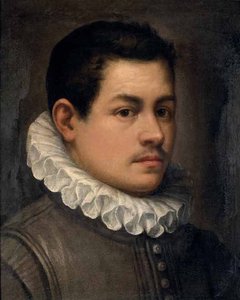
1560–1609, Itálie
Annibale Carracci
Early Life and the Bolognese Roots Annibale Carracci, narozený v Bolgni v listopadu 3., 1560, pocházel z rodiny hluboce zakořeněné v umělecké tradici. Jeho rané vzdělání pravděpodobně probíhalo v péči svého rodinného ateliéru, kde položil základy kariéry, která by zásadně proměnila italskou malířskou krajinu. Bolgna v té době byla pulzující centrem intelektuálního a uměleckého rozmachu, přesto se cítila poněkud vzdálená od dominantních proudů vycházejících z Říma a Benátkek. Tento pocit provinčníhoství poháněl touhu po nových cestách mezi skupinou mladých umělců – Annibalem, jeho bratrem Agostinem a příbuzným Ludovicem – aby vytvořili nový směr, který by obohatil italské umění tím, že se opíral o mistrovské díla Vysokého Renesansu, zatímco zároveň přijímal naturalistický přístup.
O umělci Annibale Carracci Významná díla umělce Annibale Carracci
Také od autora Annibale Carracci
 Slunce bobulovozruče
 Hérakylova volba
 Výběr Herakla1596
 Řeka1589

Eseje k tématu Pan
 The Language of Animals in Art: From Ancient Egypt to the RenaissanceExplore the profound history of animal symbolism from Egypt to the Renaissance. Trace these ancient motifs through art history now.
 Annibale Carracci: Bridging Renaissance Ideals & Baroque InnovationExplore the life & art of Annibale Carracci, a pivotal figure bridging Renaissance ideals with Baroque innovation. Discover his masterpiece…
 Divine Beauty: The 25 Most Iconic Masterpieces by Fra AngelicoJourney through the divine beauty of Fra Angelico's finest works. Explore 25 iconic Renaissance masterpieces, from ethereal frescoes to sac…