
 Náhled
 Sdílet
 Sdílet
 Podrobnosti o díle

 Stáhnout
 Podobné položky
 Rentgenové snímky
 Slideshow
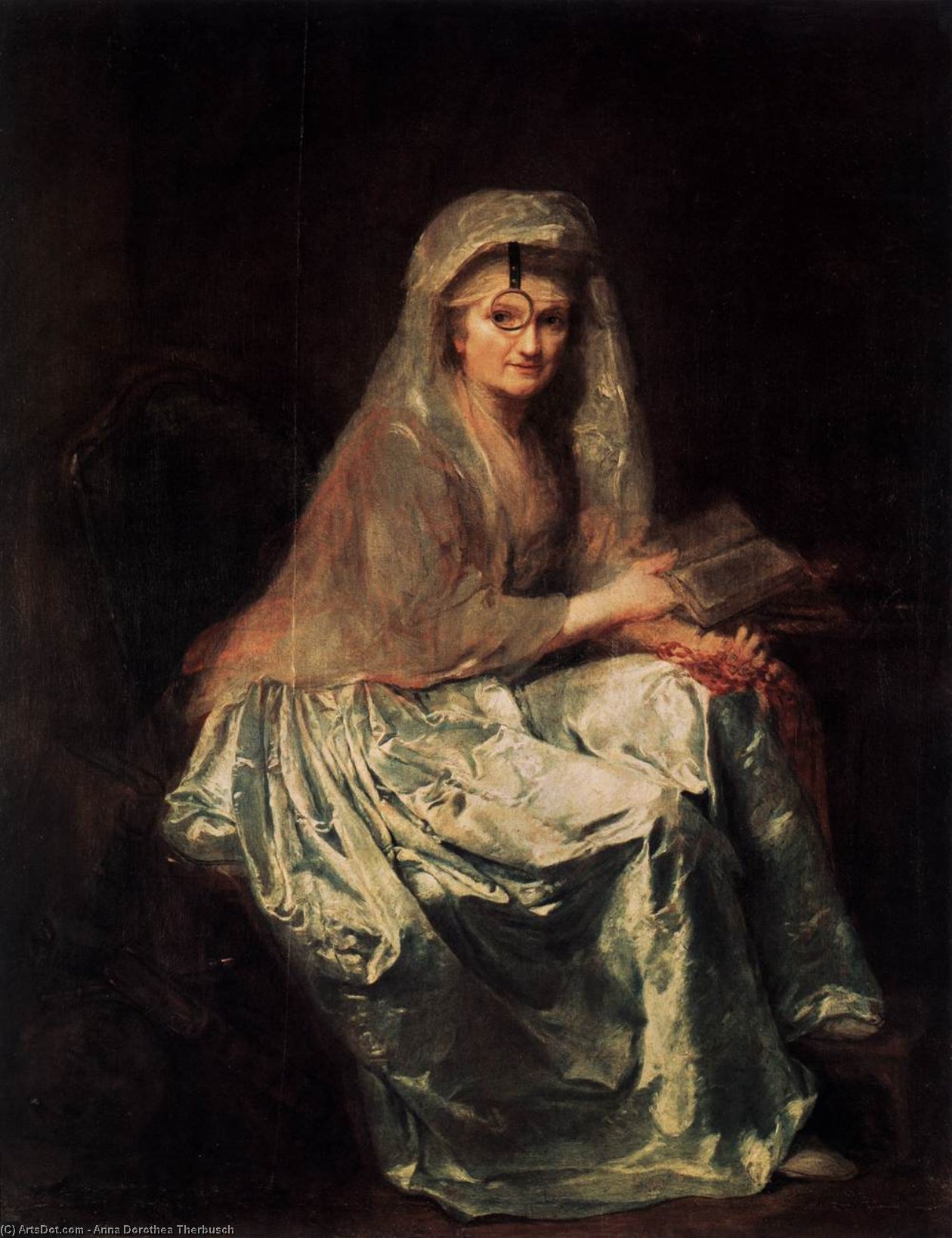
Self-Portrait
 Oil On Canvas
- WallArt
- Rococo
 1776
1776- Renaissance
 151.0 x 115.0 cm
 Staatliche Museen zu Berlin
 Zobrazit více
Ručně malovaná olejová reprodukce
Ručně malovaná olejná barva na plátně ve vašem zvoleném rozměru i s rámem, vyrobená našimi umělci na zakázku. ( Koupit tisk Koupit obrázek)




P118B $10

P118H $10

P118W $10

P438Z $10

P508JH $12

P508YH $12

P805H $10

P805Z $10

P919BZ $10

P919G $10

P919XJ $10

P959ZH $10

P968JZ $12

W106C $8

W218G $10

W218JH $8

W218Y $10

W307PJ $10

W316G $10

W316PJ $8

W316Y $10

W398PJ $8

W4111J $10

W500HY $15

W500JH $15

W692G $12

W849H $8

W940BG $15

W953PJ $8




Vyberte si z našich přednastavených velikostí, které odpovídají původním proporcím díla.

Můžete zadat vlastní rozměry pro konkrétní rám nebo prostor. Pokud se vámi vybraná velikost neshoduje s proporcemi původního obrazu, dílo buď ořízneme, nebo jej doplníme ručně malovanými prvky. Před zahájením výroby vám bude zaslán digitální náhled ke schválení.
Upozorňujeme, že náhled na obrazovce neodpovídá skutečnému ořezu ani rozšíření. Pouze digitální náhled přesně zobrazí finální kompozici.
Ačkoliv je možné zvolit vlastní velikost, pro zachování původních proporcí doporučujeme vybrat rozměr z předdefinovaného seznamu.
Po přijetí objednávky vám tým OriginalUniqueArt.com zašle e-mail s pokyny a poskytne náhledovou verzi.
Celosvětová doprava () za 3–4 týdny namísto standardních 5 týdnů. (17 srpen). Bez kompromisů v kvalitě.

Zdarma celosvětová expresní doprava

Vysoce kvalitní lněné plátno

Kompletní přepravní pojištění

Záruka vrácení celního poplatku

Záruka přesného barevného shodu

60denní lhůta pro vrácení zboží (pouze při vadách výroby)

100% garance vrácení peněz

Sleva při hromadné objednávce
 Skleněná varianta je dostupná pouze u rozměrů menších než 110 cm

Self-Portrait
Technika reprodukce
Rozměry reprodukce
-


Celková cena za výběr
$ 300
Popis díla
A Portrait of Introspection: Anna Dorothea Therbusch’s “Self-Portrait”
Anna Dorothea Therbusch's "Self-Portrait," painted in 1776, is more than just a likeness; it’s a profound meditation on the artist’s own identity and place within the world. This captivating work, housed at the Gemäldegalerie in Berlin, offers a rare glimpse into the mind of a woman who defied societal constraints to establish herself as a significant figure in 18th-century Rococo art. The painting immediately draws the viewer in with its intimate scale – a mere 151 x 115 cm – creating an immediate sense of closeness and invitation, as if we’ve been granted privileged access into the artist's private world.
The composition is deceptively simple yet remarkably layered. Therbusch presents herself seated before a partially obscured landscape, her gaze directed towards something just beyond our view. She wears a dark, flowing gown, its folds suggesting both elegance and a subtle melancholy. A delicate veil drapes across her head, partially concealing her face and adding an air of mystery to the portrait. The muted palette – dominated by browns, grays, and deep blues – contributes significantly to the painting’s contemplative mood. It's not a vibrant celebration of beauty, but rather a quiet exploration of inner experience.
The Rococo Soul: Style and Technique
“Self-Portrait” is a quintessential example of Therbusch’s mastery within the Rococo style. Characterized by its delicate brushwork, pastel colors, and emphasis on elegance and grace, Rococo art sought to evoke feelings of pleasure and refinement. However, unlike some of her contemporaries who embraced the frivolous aspects of the style, Therbusch imbues her self-portrait with a palpable sense of seriousness and introspection. Her technique is remarkably precise; observe the subtle gradations of tone in the fabric of her gown, or the delicate rendering of the veil’s folds. The artist skillfully employs chiaroscuro – the contrast between light and shadow – to sculpt the figure's form and create a sense of depth.
Therbusch was particularly adept at capturing subtle nuances of expression. Her slightly furrowed brow and downward gaze suggest a thoughtful, perhaps even melancholic, disposition. This is further reinforced by the inclusion of two chairs in the background – one behind her, seemingly occupied by an unseen figure, and another further back on the right, hinting at a past or a future yet to be realized. These elements subtly invite speculation about the artist’s inner life.
A Pioneer's Journey: Historical Context
Anna Dorothea Therbusch’s story is one of remarkable resilience and determination in a male-dominated art world. Born into a family with artistic roots – her father was a renowned Berlin portrait painter – she faced considerable obstacles as a female artist during the Enlightenment. Despite these challenges, she persevered, honing her skills and establishing herself as a respected figure in Prussia’s artistic circles. Her marriage to Ernst Friedrich Therbusch, an innkeeper, initially interrupted her career, but she quickly returned to painting, demonstrating her unwavering commitment to her craft.
Therbusch's journey is particularly significant because it highlights the struggles faced by women artists throughout history. She navigated a world where opportunities were limited and recognition was often elusive. Yet, through sheer talent and perseverance, she achieved considerable success, leaving behind a legacy of over 200 paintings – including this poignant self-portrait – that continue to captivate viewers today. Her work reflects the changing social landscape of her time, offering insights into the lives and experiences of women in 18th-century Europe.
Symbolism and Emotional Resonance
Beyond its technical merits, “Self-Portrait” is rich in symbolism. The veil, for instance, can be interpreted as a metaphor for introspection or perhaps even a sense of concealment – reflecting the societal pressures placed upon women during that era. The landscape beyond her gaze represents the unknown, inviting viewers to contemplate the artist’s hopes and dreams. The inclusion of the two chairs suggests themes of solitude, reflection, and perhaps a yearning for connection.
Ultimately, “Self-Portrait” is a deeply moving work that speaks to the universal human experience of self-discovery and introspection. It's not merely a portrait; it’s an intimate dialogue between artist and viewer, inviting us to contemplate our own identities and place in the world. The painting’s quiet intensity and subtle emotional depth make it a timeless masterpiece – a testament to Anna Dorothea Therbusch’s artistic genius and her remarkable journey as a pioneering female artist.
Biografie umělce
Anna Dorothea Therbusch: A Pioneer of Female Artistic Expression
Anna Dorothea Therbusch (1721-1782) stands as a remarkable figure in the annals of Rococo art history—a woman artist who defied societal expectations and achieved considerable renown during the Enlightenment. Born into a family steeped in artistic tradition, her father, Georg Lisiewski, was himself a celebrated Berlin portrait painter, establishing a lineage dedicated to visual representation. This upbringing instilled in Anna Dorothea a profound appreciation for painting from an early age, fostering a talent that would blossom into one of Prussia’s most prolific and admired artists.- Early Life & Family: Anna Dorothea Lisiewski married Ernst Friedrich Therbusch, an innkeeper, forging a domestic life alongside her husband and raising five children. Despite the responsibilities of motherhood, she relentlessly pursued her artistic passions, demonstrating an unwavering commitment to her craft.
- Training & Artistic Development: Her father recognized her exceptional abilities and actively encouraged her artistic pursuits, providing her with invaluable instruction in painting techniques. Notably, her elder sister Anna Rosina was equally gifted, earning the moniker “Wunderkinder” – child prodigy – cementing their family’s reputation for artistic excellence.
A Rococo Visionary: Style and Technique
Therbusch's artistic style epitomized the elegance and refinement characteristic of Rococo art—a movement that prioritized ornamentation, pastel hues, and graceful asymmetry. Her canvases frequently depicted mythological scenes infused with allegorical symbolism, reflecting the intellectual currents of her time. She skillfully employed delicate brushstrokes and meticulous attention to detail, capturing ethereal beauty and conveying nuanced emotions through expressive poses and gestures. Her masterful handling of light and shadow contributed significantly to the atmospheric depth of her paintings, creating immersive experiences for viewers.- Notable Works: Among her impressive oeuvre are iconic pieces like “Diana mit Nymphen,” a breathtaking depiction of the goddess Diana surrounded by nymphs—a testament to Therbusch’s ability to convey grandeur and serenity through visual artistry.
Recognition & Patronage: Parisian Influence
Therbusch's artistic journey took an extraordinary turn when she relocated to Paris in 1765, seeking opportunities for advancement within the vibrant artistic landscape of the French capital. Recognizing her talent and advocating for female artists—a radical stance at the time—Denis Diderot, a prominent philosopher and art critic, championed Therbusch’s cause, even posing nude for her portrait. Her acceptance into the Académie royale de peinture et de sculpture marked a pivotal moment in her career, affording her access to influential mentors and fostering collaborations with fellow artists like Philippe Hackert. Despite facing financial hardships and navigating the complexities of Parisian society, Therbusch persevered, producing some of her most celebrated works during this period—particularly those imbued with the spirit of Diderot’s intellectual fervor.Legacy & Historical Significance
Anna Dorothea Therbusch's contribution to art history transcends mere stylistic innovation; she represents a courageous assertion of female autonomy within a patriarchal society. Her success as a painter challenged conventional notions of gender roles and paved the way for future generations of women artists. Today, her paintings reside in prestigious museums across Germany—including the Gemäldegalerie Berlin and Alte Nationalgalerie—serving as enduring reminders of Therbusch’s artistic brilliance and her unwavering determination to pursue her passion despite societal obstacles. She remains a symbol of perseverance, creativity, and the transformative power of artistic expression.
Anna Dorothea Therbusch
1721 - 1782 , Germany
Rychlé fakta
- Artistic Movement Or Style: Rococo
- Artists Or Movements Influenced By This Artist: ['Denis Diderot']
- Artists Who Influenced This Artist: ['Georg Lisiewski']
- Date Of Birth: July 23, 1721
- Date Of Death: November 9, 1782
- Full Name: Anna Dorothea Therbusch
- Nationality: German
- Notable Artworks:
- Diana mit Nymphen
- Self-portrait
- Place Of Birth: Berlin, Germany
Související články
Reflecting the Self: A History of Portraiture & Psychological Insight
Explore the fascinating history of self-portraiture from Renaissance masters like Dürer & Rembrandt to modern interpretations. Discover the psychological insights and artistic techniques behind these iconic works. Expert analysis for art enthusiasts.

The Inner Landscape: Exploring Themes of Introspection in Visual Art Across Movements & Eras
Explore the captivating world of introspective art! Discover how artists across eras – from Rembrandt to Kahlo – used self-portraiture to reveal their inner worlds and emotional depths. A journey through art history & psychology.

Top 10 mistrovských děl rokokového umění | OriginalUniqueArt.cz
Prozkoumejte 10 ikonických děl rokokového umění – Fragonard, Boucher a další. Objevte příběhy mistrů, techniky a pastelové barvy tohoto elegantního stylu. Reprodukce obrazů nejvyšší kvality na OriginalUniqueArt.cz!
25 Mistrovských Děl Státních Muzeí v Berlíně: Umění pro Vaši Inspiraci | OriginalUniqueArt.com
Objevte 25 ikonických děl Státních muzeí v Berlíně! Prozkoumejte příběhy za Nefertiti, Pergamonovým oltářem a dalšími mistrovskými díly. Inspirace pro váš interiér s reprodukcemi nejvyšší kvality na OriginalUniqueArt.com
The Elegance of Rococo Portraiture: A Journey Through Grace, Soft Light, and Pastel Dreams
Discover the exquisite world of Rococo portraiture. Explore the delicate beauty of 18th-century French art, from pastel light to graceful asymmetry, and learn how to bring this era of elegance into your home through masterfully hand-painted oil reproductions.

