

 Zobrazit v interiéru
 Odeslat
 Sdílet
 Podrobnosti
 Průvodce

 Stáhnout obrázek
 Podobné kousky
 Rentgenové snímky
 Slideshow
 Statistiky
Piccolomini Altar


 Přečíst si více
Giclée / Umělecký tisk
Giclée nebo plátěný tisk muzeální kvality s rychlou výrobou a širokou nabídkou povrchových úprav. ( Objednat ručně malovanou reprodukci Přepnout na digitální verzi obrazu)




































Vyberte si z našich přednastavených velikostí, které odpovídají původním proporcím díla.

Můžete zadat vlastní rozměry tak, aby výtvor odpovídal konkrétnímu rámu nebo prostoru. Pokud zvolená velikost nebude odpovídat poměru stran původního obrazu, dílo buď ořížeme, nebo obraz rozšíříme pomocí zrcadlového efektu či jednobarevného okraje. Před zahájením výroby vám bude zaslán digitální náhled k schválení.
Mějte prosím na paměti, že náhled na obrazovce neodráží skutečné oříznutí nebo rozšíření. Pouze digitální náhled přesně zobrazí finální kompozici.
Ačkoliv jsou k dispozici i vlastní rozměry, pro zachování původních proporcí doporučujeme vybrat si rozměr z předdefinovaného seznamu.
Celosvětové doručení () do 2 týdnů namísto standardních 4/5 týdnů. (25 září)

Zdarma celosvětová expresní doprava

Vysoce kvalitní lněné plátno

Úplné pojištění přepravy

Záruka vrácení celního poplatku

Záruka věrného barevného shodu

100dení lhůta pro vrácení zboží (pouze při vadách výroby)

100% garance vrácení peněz

Sleva při více objednávkách
 Skleněná varianta je dostupná pouze u rozměrů menších než 110 cm

Piccolomini Altar
Giclée / Umělecký tisk
Velikost reprodukce
-


Celková cena
$ 80
Biografie umělce
Andrea di Cristoforo Bregno: Bridging Gothic and Renaissance Rome
Andrea di Cristoforo Bregno, a sculptor and architect of the Early Renaissance, remains a fascinating figure whose career unfolded during a pivotal transition in Roman art. Born in Ostenia, Lombardy, around 1418, and passing away in Rome in 1506, he navigated the shifting currents between Gothic traditions and the burgeoning High Renaissance, leaving behind a legacy of intricate tombs, refined architectural details, and a significant contribution to the standardization of classicizing epigraphy. His life was inextricably linked to the vibrant artistic circles of his time, marked by collaborations with prominent figures like Mino da Fiesole and Raphael’s father, Giovanni Santi.Early Life and Artistic Roots
Bregno's origins were deeply rooted in a family renowned for its sculptural prowess. His father, Cristoforo Bregno, and his brothers, Ambrogio and Girolamo, formed a workshop in Ferrara, establishing themselves as skilled artisans. This lineage provided him with an invaluable foundation, exposing him to the techniques and aesthetic sensibilities of Northern Italian sculpture from a young age. The family’s subsequent involvement in overseeing architecture at the Doge's Palace in Venice – following the death of Bartolomeo Bon – further broadened his experience, immersing him in the complexities of architectural design alongside sculptural artistry. This early exposure instilled within him a deep appreciation for both form and function, shaping his approach to his future endeavors.Rome: A Crucible of Innovation
Bregno’s journey led him to Rome around 1460, an era marked by immense artistic activity fueled by the patronage of the papacy. Invited there by Paul II, he quickly established himself as a sought-after sculptor and architect, benefiting from numerous commissions that reflected the grandeur of the papal court. He became a key figure in the workshop headed by Pope Sixtus IV, producing elaborate wall tombs for cardinals and other prominent figures within the Curia – a testament to his skill and growing reputation. His work during this period showcased a remarkable versatility, blending technical mastery with an evolving artistic style.Style and Influences: A Lombard Manner Embracing Classicism
Bregno’s distinctive style is often described as a refined “Lombard manner,” characterized by its elegance, precision, and attention to detail. However, his time in Rome exposed him to the ideals of classical antiquity, leading to a gradual integration of Roman sculptural forms into his work. He was an early collector of Roman sculptures, meticulously studying their proportions, techniques, and expressive qualities. This engagement with the past informed his approach to creating works that were both aesthetically pleasing and imbued with a sense of timelessness. The influence of Mino da Fiesole, another prominent sculptor in Rome, further refined his style, contributing to the development of a balanced and harmonious aesthetic.Key Achievements and Notable Works
Bregno’s career produced several significant achievements that continue to be admired today. His work on the Piccolomini Altar in Siena is considered one of his masterpieces, showcasing his mastery of marble carving and architectural design. The intricate façade, with its hexagonal side chapels and coffered ceiling, demonstrates a remarkable understanding of spatial relationships and decorative elements. Furthermore, Bregno played a crucial role in standardizing an authentically classicizing style of epigraphy – the inscriptions accompanying his tombs – ensuring consistency and elegance in their presentation. His contributions to the Sistine Chapel, particularly the little cantoria or choristers’ gallery, further cemented his reputation as a versatile and innovative artist. His tomb itself, completed in 1506, provides a poignant glimpse into his artistic vision and serves as a lasting testament to his skill.Legacy and Historical Significance
Andrea di Cristoforo Bregno’s life coincided with a crucial period of transition in the history of art. He bridged the gap between the Gothic traditions of the late Middle Ages and the High Renaissance, embodying the evolving aesthetic sensibilities of his time. His work reflects both the enduring influence of Northern Italian sculpture and the growing fascination with classical antiquity that characterized the Roman artistic scene. Bregno’s legacy lies not only in his individual creations but also in his role as a key figure in shaping the stylistic trends of Early Renaissance Rome, leaving an indelible mark on the city's architectural and sculptural landscape.
Andrea di Cristoforo Bregno
1418 - 1506 , Italy
Rychlé informace
- Artistic Movement Or Style: Early Renaissance
- Artists Or Movements Influenced By This Artist:
- Raphael
- Bramante
- Artists Who Influenced This Artist:
- Polykleitos
- Mino da Fiesole
- Date Of Birth: 1418, Ostenia, Italy
- Date Of Death: 1506
- Full Name: Andrea di Cristoforo Bregno
- Nationality: Italian
- Notable Artworks:
- Piccolomini Altar
- Wall tombs (Rome)
- Place Of Birth: Ostenia, Lombardy
Související články

The Enduring Form: Exploring Themes & Techniques in Sculpture Across Historical Periods
Explore the rich history of sculpture from ancient masterpieces to contemporary innovations. Discover key techniques, influential artists & investment potential for discerning art collectors.

10 legendárních bronzových soch, které změnily umění | OriginalUniqueArt
Objevte 10 legendárních bronzových soch od Michelangela, Rodina a dalších mistrů! Ponořte se do historie umění, technik a příběhů za těmito nadčasovými díly. Najděte inspiraci pro váš interiér s OriginalUniqueArt.com – repliky nejvyšší kvality.

The Enduring Allure of Marble in Art History: From Classical Sculpture to Modern Abstraction
Explore the captivating history of marble sculpture from ancient Greece to modern art. Discover renowned artists like Canova & Michelangelo, carving techniques, and investment insights at OriginalUniqueArt.

The Enduring Form: Sculpture Across History, Technique & Emotional Resonance
Explore the rich history of sculpture with OriginalUniqueArt. Discover key techniques, influential artists & investment potential for discerning collectors. Expert insights into valuing and collecting timeless masterpieces.
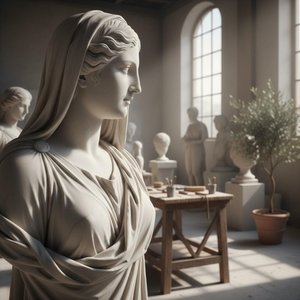
Timeless Elegance: A Complete Guide to the Sublime Beauty and Artistry of Marble Sculpture
Discover the sublime beauty of marble art through an expert exploration of Renaissance and Neoclassical masterpieces. From the delicate textures of Carpeaux to the grandeur of Sansovino, immerse yourself in a guide to timeless elegance and sculptural perfection.