
 Náhled
 Sdílet
 Sdílet
 Podrobnosti o díle

 Stáhnout
 Podobné položky
 Rentgenové snímky
 Slideshow
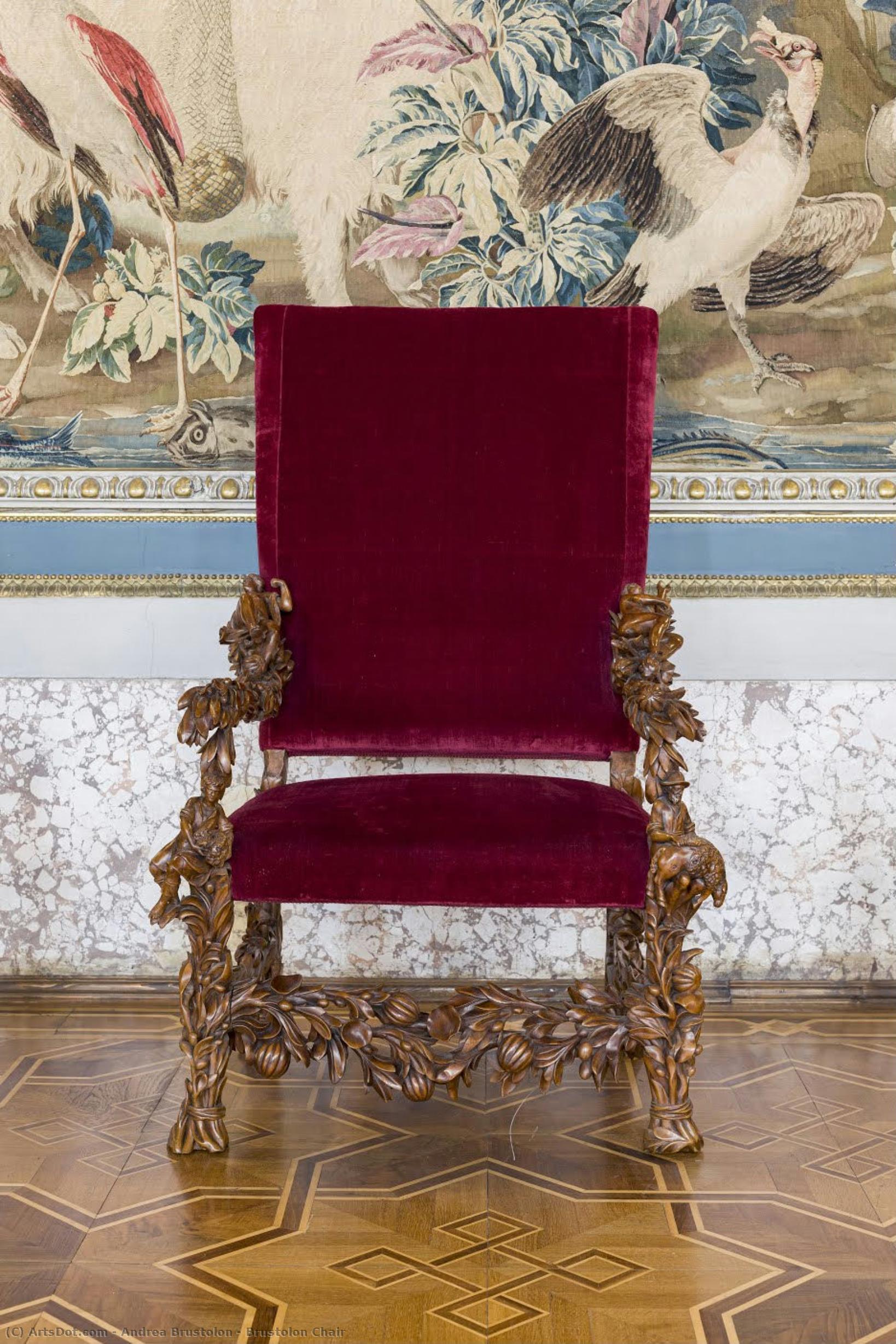
Brustolon Chair
 Oil On Canvas
- WallArt
- Venetian Baroque
 1700
1700- Renaissance
 128.0 x 82.0 cm
 Palazzo del Quirinale
 Zobrazit více
Koupě vysoce rozlišeného, vylepšeného digitálního obrazu, který je mnohem kvalitnější než online náhled.
Každý soubor je pečlivě připraven našimi odborníky pomocí pokročilých nástrojů a expertní manuální retuše. Zajišťujeme, aby každý obraz disponoval výjimečnou ostrostí, přesnou barevnou věrností a jemnými detaily.
Finální soubor vám bude do 72 hodin zaslán e-mailem, optimalizovaný pro okamžité použití v profesionálním, redakčním i tiskovém prostředí. Nabízíme stejnou kvalitu, které důvěřují špičková designová studia, nakladatelství i galerie.
Digitální obrazy
Stáhněte si soubor ve vysokém rozlišení pro osobní prohlížení, tisk a kreativní projekty. ( Koupit tisk Koupit ručně malovaný obraz)
Součást každé objednávky digitálního obrazu
Profesionální digitální doručení, zaručeno.
Když si vyberete OriginalUniqueArt.com, nezískáváte pouze obrázek – získáváte digitální umělecké dílo s profesionálně vylepšenými detaily, zpracované s precizností a podpořené zárukou za spokojenost. Zde je vše, co vaše objednávka automaticky obsahuje:

Rychlé doručení e-mailem
Váš digitální obraz ve vysokém rozlišení vám bude zaslán e-mailem do 72 hodin od objednávky – připraven k okamžitému použití.

Digitální soubor s využitím AI
Vaše umělecké dílo je profesionálně optimalizováno pomocí pokročilých nástrojů umělé inteligence a manuální úpravy, což zajišťuje maximální úroveň detailu, ostrosti a přesnosti barev.

Bezplatné doživotní znovuodeslání
Soubor jste omylem smazali nebo ztratili? Žádný problém – kdykoliv vám ho znovu zašleme zcela zdarma.

Bez poplatků za dovoz – navždy
Užijte si své umělecké dílo okamžitě bez celních poplatků, daní nebo nákladů na dopravu – digitální stažení je vždy bez daňových povinností.

Záruka přesnosti barev
Pomocí profesionálních nástrojů a správy barev zajišťujeme, aby váš digitální obraz odrážel původní barvy co nejvěrněji.

60denní záruka spokojenosti
Pokud nebudete s digitální fotografií spokojeni, provedeme její revizi nebo vám vrátíme 100% během 60 dnů – bez jakýchkoliv dotazů.

100% záruka vrácení peněz
Nespokojeni? Získejte plnou částku zpět do 60 dní od přijetí vašeho digitálního souboru – bez jakýchkoliv dotazů.

Slevy při hromadných objednávkách
Koupěte si 3 obrazy, ušetřete 10% - Koupěte si 5, ušetřete 15% - Koupěte si 10+, ušetřete 20%. Ideální pro kreativní projekty, galerie a agentury.
Popis sběratelského kusu
A Venetian Masterpiece: The Brustolon Chair (1700)
The Brustolon Chair, dating back to 1700, is more than just a depiction of a luxurious piece of furniture; it’s a tangible link to the opulent world of Venetian Baroque. Painted by Andrea Brustolon himself, a sculptor renowned for his ability to infuse everyday objects with a sense of divine majesty, this work offers a rare glimpse into the tastes and artistic sensibilities of 18th-century Italy. The chair itself – upholstered in rich red velvet, a color signifying wealth and power – is an ornate testament to Brustolon’s skill, likely part of a larger suite intended for a wealthy Venetian household. Its design speaks to the influence of Bernini and other Roman sculptors who shaped the Baroque aesthetic, prioritizing dramatic curves, dynamic movement, and a profound sense of theatricality.
The Artist's Hand: Brustolon’s Technique and Style
Andrea Brustolon (1662-1732) was a pivotal figure in the Venetian Baroque, celebrated for his mastery of wood carving and his ability to transform functional objects into works of art. Born in Belluno, he initially trained within the traditions of Venetian terraferma sculpture, but his travels to Rome between 1678 and 1680 proved transformative. This immersion in the work of Bernini instilled a deep understanding of classical principles – particularly the use of contrapposto (the balanced arrangement of the body) – which is subtly evident in the chair’s posture. Brustolon's technique involved meticulous carving, followed by detailed painting with oil-based pigments, creating a rich surface texture and vibrant colors that have remarkably endured through the centuries. The delicate rendering of the velvet upholstery, combined with the precise detailing of the chair’s frame, demonstrates his exceptional technical skill.
Symbolism and Context: A Reflection of Venetian Society
The inclusion of two birds within the composition adds another layer of meaning to this artwork. Birds were frequently employed in Baroque art as symbols of grace, freedom, and divine inspiration. Their presence suggests a desire for elevated thought and spiritual contemplation – qualities highly valued within the aristocratic circles that commissioned such pieces. The mural backdrop further reinforces this symbolism; it’s likely intended to evoke classical mythology or religious narratives, aligning with the broader artistic trends of the period. The setting itself speaks to the wealth and status of its potential owner, reflecting the importance of luxury and display in Venetian society.
A Timeless Piece for Your Collection
- Size: 128 x 82 cm – A substantial piece suitable for a variety of interior spaces.
- Date: 1700 – A genuine artifact from the height of the Venetian Baroque.
- Artist: Andrea Brustolon – A renowned sculptor whose work embodies the spirit of the era.
- Material: Hand-painted reproduction using archival quality materials, ensuring lasting beauty and authenticity.
This hand-painted reproduction captures not only the visual splendor of the Brustolon Chair but also the artistic genius of Andrea Brustolon himself. It’s a captivating addition to any art collection or a stunning focal point for interior design, offering a tangible connection to one of Italy's most celebrated Baroque artists.
Biografie umělce
The Sculptor of Myth and Majesty: The Life of Andrea Brustolon
Andrea Brustolon (1662–1732) stands as a pivotal figure in the Venetian Baroque, an artist whose mastery of wood carving elevated furnishings and devotional sculptures to breathtaking levels of artistry. Born in Belluno, Italy, he honed his skills within a robust local tradition rooted in Genoese influence—specifically under Filippo Parodi—establishing himself firmly at Padua and Venice by 1677. This formative period instilled him with the stylistic sensibilities of Bernini and his contemporaries, shaping a distinctive approach to sculpture that blended the tactile warmth of wood with the theatrical grandeur of stone.
Brustolon’s initial artistic education took place in Belluno, where he absorbed the traditions of Venetian terraferma sculpture. However, recognizing the importance of broadening his horizons, he traveled to Rome between 1678 and 1680, immersing himself in the grandeur of Bernini's oeuvre. This exposure profoundly impacted his style, fostering an appreciation for dynamic composition and theatrical gesture—elements that would become hallmarks of his subsequent work. The influence of Bernini’s Baldacchino at St. Peter’s Basilica is palpable in Brustolon’s later sculptures, demonstrating a conscious effort to emulate the monumental scale and expressive power of Rome's most celebrated sculptor.
A Master of Venetian Opulence and Craftsmanship
Returning to Venice in 1680, Brustolon quickly established himself as a prolific workshop director, employing numerous assistants to fulfill commissions across the city. His work became synonymous with the height of Venetian luxury, particularly within the Venetian ghetto and at the Scuola Levantina. His involvement with the synagogue on the piano nobile exemplifies his commitment to crafting exceptional pieces for religious spaces; the sculpted bimah, supported by solomonic columns inspired by Bernini’s Cathedra Petri, stands as a testament to his artistic vision. Furthermore, Brustolon's collaborations with prominent families like the Pisani and Correr ensured that his name was etched into the very fabric of Venetian aristocratic life.
The true genius of Brustolon lay in his ability to transform functional objects into narrative masterpieces. His furniture was never merely utilitarian; it was a stage for mythological drama. Notable examples of his extraordinary skill include:
- The Brustolon Chair: An opulent masterpiece from 1700, featuring rich red velvet upholstery and a stunning mural backdrop adorned with avian motifs, showcasing the seamless integration of sculpture and decorative arts.
- Celestial Details: His work often featured intricate zodiacal carvings, such as the dramatic Sagittarius and Scorpio details found on his chairs, where wood is carved with such precision that it mimics the fluid movement of living creatures.
- Blackamoor Motifs: A hallmark of his period, these complex figures demonstrate his ability to handle high-contrast textures and allegorical themes through intricate wood carving.
Legacy of the Baroque Woodcarver
Brustolon’s legacy is defined by a rare synthesis of technical virtuosity and emotional intensity. By treating wood with the same reverence and complexity as marble, he pushed the boundaries of what was possible in decorative arts. His ability to weave together classical elegance, astrological symbolism, and the dramatic tension of the Baroque era created a unique aesthetic that remains unparalleled. Today, his surviving works—found in prestigious collections and historic Venetian palaces like Ca' Rezzonico—serve as enduring reminders of an era when art, furniture, and myth were inextricably linked in a single, breathtaking expression of human creativity.

Andrea Brustolon
1662 - 1732 , Italy
Stručné informace
- Artistic Movement Or Style: Baroque Sculpture
- Artists Or Movements Influenced By This Artist: ['Grimling Gibbons']
- Artists Who Influenced This Artist:
- Bernini
- Filippo Parodi
- Date Of Birth: 1662
- Full Name: Andrea Brustolon
- Nationality: Italian
- Notable Artworks:
- Sagittarius Chair
- Pisces Chair
- Taurus Chair
- Place Of Birth: Belluno, Italy

