School of Paris · 1928
Rita van Leer (André Derain, 1928)
André Derain (1880–1954) vytvořil dílo Rita van Leer. Pochází z roku 1928. Patří k hnutí School of Paris. Je vyrobeno z Oil On Panel. Rozměry jsou 41 × 34 cm.
- 1928
- Oil On Panel
- 41 × 34 cm

 Náhled v interiéru

 Ručně malovaná olejná reprodukce
 Sdílet
 Sdílet
 Informační list


 Stáhnout
 Podobné položky
 Rentgenové snímky
 Slideshow
 Otázky a odpovědi

 Statistiky
Rita van Leer v kostce
- Název díla
- Rita van Leer
- Autor
- André Derain (1880–1954)
- Rok narození umělce
- Chatou, Francie
- Datum vytvoření
- 1928
- Technika
- Oil On Panel
- Rozměry
- 41 × 34 cm
- Pohyb
- School of Paris
- Období
- Modern
- Motiv
- woman, portrait, face, shoulders, gray, black
Co przedstawuje dílo Rita van Leer?
The Portrait of Rita van Leer
In this intimate portrait, André Derain turns his attention to Rita van Leer. Created about 1928, the work moves away from the loud colorism of his earlier years, focusing instead on the quiet presence of the sitter. There is a certain stillness here, a moment captured in a way that prioritizes her character over a mere photographic likeness. She meets the viewer with a directness that feels both personal and somewhat guarded.
André Derain captures the subject with an expressive likeness, favoring the essence of her personality over rigid, academic precision. The portrait focuses on the head and shoulders, stripping away unnecessary distractions to ensure the viewer's attention remains fixed upon her gaze. It is a study of a person rather than a mere likeness, offering a glimpse into a specific, fleeting moment of her life.
Composition and Visual Elements
The composition is centered entirely upon the woman’s face, which occupies the majority of the frame. Presented in a close-up view, the subject's head and shoulders emerge from a dark, minimalist background. This lack of environmental detail ensures that the viewer's attention remains fixed on the sitter. Her head is slightly tilted, a subtle movement that introduces a sense of dynamism to an otherwise still moment.
There is a directness in her gaze, as she looks straight toward the viewer. This connection is established through the careful placement of her features and the use of tonal variations rather than sharp, photographic lines. Light and shadow work together to define the contours of her face, creating a sense of three-dimensionality through the layering of different shades.
Technique and Artistic Style
The work is characteristic of early modern art, leaning into the expressive possibilities of Fauvism and Expressionism. Rather than seeking photographic accuracy, the artist employs a loose and gestural application of paint to capture the sitter. There is a palpable sense of immediacy here, driven by the visible brushstrokes that define the form. This approach prioritizes the emotional essence of the subject over a strictly realistic representation.
One notices how the artist uses short, choppy strokes to build up the features of the face and the contours of the hair. This method creates a textured, almost rugged surface. The use of thick impasto is particularly evident, providing a physical depth that makes the paint feel sculptural. These heavy applications of pigment allow the light to catch the ridges of the brushwork, adding a sense of movement to the portrait.
Materials and Physical Properties
This work is executed in oil paint, applied with a deliberate and textured hand. The artist has worked upon a surface of either canvas or panel, a choice that supports the heavy impasto visible throughout the piece. Such tactile application allows the paint to hold its form, creating a physical presence that catches the light in subtle ways. The dimensions of the work are 41 x 34 cm, a scale that invites a close, intimate inspection of the surface.
The palette is notably restrained, eschewing the riotous color often associated with the artist's earlier years. Instead, we find a monochromatic arrangement of gray, black, and white. These tones are layered to build depth and define the contours of the subject. The interplay of light and shadow is achieved through these varying shades, providing a sense of volume without the need for chromatic intensity. It is a quiet, disciplined approach to the medium.
Vysokorozlišené fotografie díla Rita van Leer
André Derain, Rita van Leer (1928). Veřejná doména
Odpovědi na otázky k dílu Rita van Leer
V jakém roce vzniklo dílo „Rita van Leer“ od André Derain?
Vznik díla „Rita van Leer“ od André Derain se datuje do roku 1928.
V jaké technice je vytvořeno dílo „Rita van Leer“ od André Derain?
Technikou díla „Rita van Leer“ od André Derain je Oil On Panel. Reprodukce mají za cíl věrně zachytit vzhled této techniky.
Jaké jsou rozměry originálu díla „Rita van Leer“ od André Derain?
Zaznamenané rozměry díla „Rita van Leer“ od André Derain jsou 41 x 34 cm. Reprodukce lze objednat v jiných velikostech při zachování stejných proporcí.
Co zachycuje dílo „Rita van Leer“ od André Derain?
Motivy díla „Rita van Leer“ jsou woman, portrait, face, shoulders, gray, black, white.
Je dílo „Rita van Leer“ volné z autorských práv?
Stav autorských práv pro dílo „Rita van Leer“ od André Derain: toto dílo spadá do v rámci volného užití – autorská práva vypršela. To určuje, zda lze volně vytvářet reprodukce tohoto obrazu.
Kdo vytvořil "Rita van Leer"?
Autorem díla „Rita van Leer“ je André Derain. Práce je v katalogu uvedena pod jménem André Derain.
K kterému uměleckému směru patří „Rita van Leer“ od André Derain?
Umělecký směr, ke kterému patří dílo „Rita van Leer“ od André Derain, je School of Paris. Tato klasifikace toto dílo umísťuje mezi související umělce a další umělecká díla.
Do které éry tvorby André Derain spadá dílo "Rita van Leer"?
„Rita van Leer“ představuje období Late Period umělce André Derain.
Kolik let bylo André Derain, když vzniklo dílo „Rita van Leer“?
André Derain vytvořil/a dílo „Rita van Leer“ v возрасте 48 let. Umělec se narodil/a v 1880 a dílo je datováno na 1928.
O umělci, André Derain
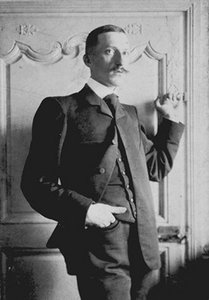
1880–1954, Francie
André Derain
Raný život, rodina a vzdělání V roce 1880 se André Derain narodil v Chatou, vesnici nestledé v regionu Yvelines ve Francii. Jeho raná léta byla formována tichými krajinami Île-de-France, kde v něm začala zapouštět přirozená zvědavost vůči okolnímu světu. Již v roce 1895 se vydal cestou samouučení a snažil se pochopit vizuální svět vlastními očima, nikoliv prostřednictvím formálního výuky. Toto období sebeestudia mu umožnilo vyvinout si vlastní, osobitý způsob vidění, než mu přísná pravidla akademie mohla naroubovat svou vůli.
Také od autora André Derain
 bathers1907
 London Bridge1906
 Charing Cross from sw1906
 Landscape at L'Estaque1906
Eseje k tématu Rita van Leer
 Fauvism vs German Expressionism: Distinguishing Color and EmotionMaster the differences between Fauvism and German Expressionism through expert analysis. Learn to decode the emotion behind the color today.
 Dutch artworks of the 1860s1860s Dutch masterpieces by Vincent van Gogh, Gerard Bilders, and August Allebé. View the full collection online at OriginalUniqueArt.com.
 The Silent Dialogue: Examining Intimacy and Psychological Depth in Classical PortraitureExplore the psychological depth of classical portraiture through masters like Rembrandt and Vermeer. Discover the power of the gaze today.