

 Zobrazit v interiéru
 Odeslat
 Sdílet
 Podrobnosti
 Průvodce

 Stáhnout obrázek
 Podobné kousky
 Rentgenové snímky
 Slideshow
 Statistiky
LE BOURGET

 Přečíst si více
Giclée / Umělecký tisk
Giclée nebo plátěný tisk muzeální kvality s rychlou výrobou a širokou nabídkou povrchových úprav. ( Objednat ručně malovanou reprodukci Přepnout na digitální verzi obrazu)




P118B Kč10

P118H Kč10

P118W Kč10

P438Z Kč10

P508JH Kč12

P508YH Kč12

P805H Kč10

P805Z Kč10

P919BZ Kč10

P919G Kč10

P919XJ Kč10

P959ZH Kč10

P968JZ Kč12

W106C Kč8

W218G Kč10

W218JH Kč8

W218Y Kč10

W307PJ Kč10

W316G Kč10

W316PJ Kč8

W316Y Kč10

W398PJ Kč8

W4111J Kč10

W500HY Kč15

W500JH Kč15

W692G Kč12

W849H Kč8

W940BG Kč15

W953PJ Kč8




Vyberte si z našich přednastavených velikostí, které odpovídají původním proporcím díla.

Zadejte šířku a výšku, které potřebujete pro váš rám nebo stěnu. Tisk lze pouze oříznout, nikdy však nelze zvětšit obraz nad jeho původní rozměr, proto při výběru jiného formátu dochází ke ztrátě části obrazu. Před samotným tiskem vám zašleme digitální náhled k schválení. Obraz zobrazený na této stránce nenabízí skutečný výřez — ten uvidíte pouze v náhledu.
Celosvětové doručení () do 2 týdnů namísto standardních 4/5 týdnů. (24 říjen)

Zdarma celosvětová expresní doprava

Vysoce kvalitní lněné plátno

Úplné pojištění přepravy

Záruka vrácení celního poplatku

Záruka věrného barevného shodu

100dení lhůta pro vrácení zboží (pouze při vadách výroby)

100% garance vrácení peněz

Sleva při více objednávkách
 Skleněná varianta je dostupná pouze u rozměrů menších než 110 cm

LE BOURGET
Giclée / Umělecký tisk
Velikost reprodukce
-


Celková cena
Kč 1709
Biografie umělce
A Life Etched in Conflict: The World of Alphonse de Neuville
Alphonse-Marie-Adolphe de Neuville, a name resonating with the drama and patriotic fervor of 19th-century France, was born in Saint-Omer in 1835. His life, though tragically cut short at the age of forty-nine, unfolded against a backdrop of sweeping historical change – a period marked by imperial ambition, devastating wars, and burgeoning national identities. Initially drawn to a naval career, de Neuville’s artistic inclinations proved too strong to ignore, leading him away from the sea and toward the studios of Paris. He first sought guidance within the established academic system, briefly attending the naval school at Lorient before ultimately pursuing formal training under the watchful eye of François-Edouard Picot. However, it was the profound influence of Eugène Delacroix, a master of Romanticism celebrated for his dynamic composition and deeply emotional portrayals, that truly shaped de Neuville’s artistic vision. This mentorship instilled in him a passion for dramatic narratives and a keen understanding of how to translate historical events onto canvas with compelling power – a desire to capture not just the *what* of history but also its visceral impact on human experience.Forging a Reputation Through War and Illustration
De Neuville swiftly established himself as a painter deeply engaged with the conflicts defining his era. He didn’t merely depict war; he immersed himself in its realities, drawing upon personal experiences – including service during the Franco-Prussian War – to lend an unparalleled sense of authenticity to his work. This commitment to realism, combined with a remarkable talent for capturing the human cost of conflict, propelled him to prominence. Early successes included depictions of battles from the Crimean War and scenes illustrating episodes from Garibaldi’s campaigns in Italy. These weren't idealized romanticized accounts; instead, they presented the brutal realities of combat – the chaos, the fear, the sacrifice – with unflinching honesty. However, it was his collaboration with Jules Verne that truly broadened de Neuville’s recognition. His illustrations for *Twenty Thousand Leagues Under the Seas* brought a visual dynamism and sense of wonder to Verne's fantastical underwater world, captivating readers and solidifying de Neuville’s reputation as an artist capable of both historical accuracy and imaginative storytelling. These illustrations weren’t simply decorative; they were integral to shaping the public’s perception of Verne’s groundbreaking novel, imbuing it with a sense of adventure and scientific curiosity.Master of Military Narrative: Key Works and Artistic Style
De Neuville's artistic strength lay in his ability to transform historical events into emotionally resonant narratives. His paintings weren’t simply records of battles; they were carefully constructed dramas, filled with compelling characters and a palpable sense of urgency. “The Charge of the Light Brigade” (1860), a poignant depiction of the disastrous Crimean War cavalry charge, exemplifies this approach. The painting doesn't glorify warfare but rather conveys the bravery and futility of the soldiers caught in the crossfire – their desperate courage against overwhelming odds. Similarly, “The Defense of Palma Major” (1875), illustrating a harrowing episode from the Zulu War, showcases de Neuville’s mastery of dramatic composition and his ability to capture the intensity of close-quarters combat. The scene is rendered with startling realism – the dust, the heat, the desperate faces of the soldiers – creating an immersive experience for the viewer. His style is characterized by meticulous detail, realistic portrayals of uniforms and weaponry (often painstakingly researched), and a skillful use of light and shadow to create atmosphere and heighten emotional impact. He wasn’t interested in grand allegories or idealized heroism; instead, he focused on the individual experiences of soldiers – their courage, fear, and suffering. This intimate portrayal of human drama within the context of war is what truly distinguishes his work.Influences and Artistic Development
De Neuville's artistic journey was shaped by a confluence of influences. Eugène Delacroix, the most significant influence on de Neuville’s style, imparted a sense of drama, emotional intensity, and dynamic composition – qualities that permeated throughout his oeuvre. De Neuville also benefited from early training under François-Edouard Picot, providing him with foundational skills in academic painting techniques. Crucially, however, his personal experiences—specifically his service during the Franco-Prussian War—directly informed his realistic depictions of military life and combat. This firsthand knowledge imbued his paintings with an unparalleled sense of authenticity and immediacy. Furthermore, his collaboration with Jules Verne broadened his artistic range and introduced him to a wider audience, demonstrating his versatility as an illustrator and storyteller. De Neuville’s development as an artist was marked by a consistent commitment to realism and historical accuracy. He meticulously researched his subjects, often consulting with military experts and veterans to ensure the authenticity of his depictions. This dedication to detail, combined with his dramatic flair, set him apart from many of his contemporaries and cemented his place as a leading painter of military history.Legacy and Enduring Appeal
Alphonse de Neuville’s untimely death in 1885 tragically cut short a brilliant career. However, his legacy endures through the numerous paintings that continue to captivate audiences today. His works are held in prestigious collections such as the Hermitage Museum in St. Petersburg and the Metropolitan Museum in New York – testaments to their artistic merit and historical significance. Beyond these institutional holdings, de Neuville’s art enjoys a broad popular appeal, fueled by a renewed interest in 19th-century military history and a desire for authentic depictions of past conflicts. Today, high-quality reproductions – available through platforms like OriginalUniqueArt and OriginalUniqueArt – allow art enthusiasts to bring the drama and historical depth of de Neuville’s masterpieces into their own homes. His paintings serve not only as artistic achievements but also as powerful reminders of the human cost of war and the enduring spirit of those who fought in it, ensuring that his dramatic narratives continue to resonate with viewers across generations.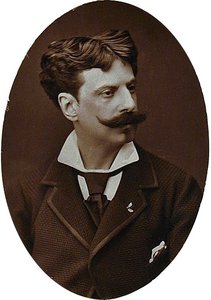
Alphonse de Neuville
1835 - 1885 , Francie
Rychlé informace
- Artistic Movement Or Style: Akademistický
- Artists Or Movements Influenced By This Artist: ['Verne']
- Artists Who Influenced This Artist:
- Delacroix
- Picot
- Date Of Birth: 1835
- Date Of Death: 1885
- Full Name: Alphonse-Marie-Adolphe de Neuville
- Nationality: Francouzský
- Notable Artworks:
- Útok na Rezonvil
- Defenda Palma Major
- Place Of Birth: Saint-Omer, Francie
Související články

Francisco Goya: 25 mistrovských děl španělského génia | OriginalUniqueArt.cz
Prozkoumejte 25 ikonických děl Francisca Goyi – od romantických portrétů po temné tiskoviny. Objevte příběhy, techniky a umělecký význam španělského mistra na OriginalUniqueArt.cz. Reprodukce obrazů pro váš interiér.

Echoes of Trauma & Hope: Representing Transformation in Artworks of 1918
Explore the profound artistic responses to World War I's trauma & hope. Discover Expressionist masterpieces by Bacon, de Kooning & more. Expert insights for collectors & art enthusiasts at OriginalUniqueArt.

O nás
Objevte náš příběh! Přinášíme umění světové úrovně do vašeho života prostřednictvím odborného výběru, zakázkové tvorby a bezplatných náhledů. Osvědčeno jednotlivcům i firmám od roku 2000.

Willem de Kooning: Abstraction, Gesture & the Evolution of Post-War American Painting
Explore the evolution of Willem de Kooning's iconic Abstract Expressionist paintings. Discover his signature style, key themes & investment potential with expert insights for discerning art collectors.

William Owen: A Poetic Vision of War & Landscape in British Modernism
Explore the poignant war poetry of Wilfred Owen, a key figure in British Modernism. Discover his innovative style, themes of loss & camaraderie, and lasting impact on 20th-century literature. Analysis & historical context included.