

 Zobrazit v interiéru
 Odeslat
 Sdílet
 Podrobnosti
 Průvodce

 Stáhnout obrázek
 Podobné kousky
 Rentgenové snímky
 Slideshow
 Statistiky
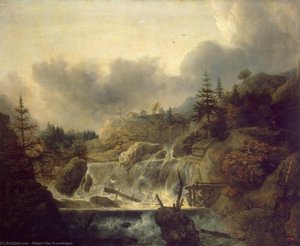
PAYSAGE AVEC PECHEURS ET CHASSEURS


 Přečíst si více
Zakupte si digitální obraz ve vysokém rozlišení a vylepšeném provedení, který nabízí mnohem vyšší kvalitu než online náhled.
Každý soubor je pečlivě připraven našimi specialisty s využitím pokročilých nástrojů a odborné manuální retuše. Zajišťujeme, aby každý obraz disponoval výjimečnou ostrostí, přesnou barevnou věrností a jemnými detaily.
Finální soubor vám bude do 72 hodin zaslán e-mailem, optimalizovaný pro okamžité použití v profesionálním, redakčním i tiskovém prostředí. Nabízíme stejnou kvalitu, které důvěřují špičková designová studia, nakladatelství i galerie.
Digitální obrazy
Stáhněte si soubor ve vysokém rozlišení pro osobní prohlížení, tisk a kreativní projekty. ( Přepnout na tiskové verze Objednat ručně malovanou reprodukci)
Součást každé objednávky digitálního obrazu
Exponenciální digitální doručení, zaručené
Když si vyberete OriginalUniqueArt.com, nezískáváte pouze obrázek – získáváte digitální umělecké dílo s profesionálně vylepšenými detaily, zpracované s precizností a podpořené zárukou za spokojenost. Zde je vše, co vaše objednávka automaticky obsahuje:

Bleskové doručení e-mailem
Váš digitální obraz ve vysokém rozlišení vám bude zaslán e-mailem do 72 hodin od objednávky – připraven k okamžitému použití.

Digitální soubor s podporou AI
Vaše umělecké dílo je profesionálně optimalizováno pomocí pokročilých nástrojů umělé inteligence a manuální úpravy, což zajišťuje maximální úroveň detailu, ostrosti a přesnosti barev.

Doživotní bezplatné znovuodeslání
Soubor jste omylem smazali nebo ztratili? Žádný problém – kdykoliv vám ho znovu zašleme zcela zdarma.

Bez poplatků za dovoz – navždy
Užijte si své umělecké dílo okamžitě bez celních poplatků, daní nebo nákladů na dopravu – digitální stažení je vždy bez daňových povinností.

Záruka přesnosti barev
Díky profesionálním nástrojům a správě barev zajišťujeme, aby váš digitální obraz odrážel původní barvy co nejvěrněji.

100dená záruka spokojenosti
Pokud nebudete s digitálním obrázkem spokojeni, provedeme jeho revizi nebo vám vrátíme 100% platby do 100 dnů – bez jakýchkoliv dotazů.

100% záruka vrácení peněz
Nespokojeni? Získejte plnou náhradu peněz do 100 dnů od obdržení digitálního souboru – bez zbytečných dotazů.

Slevy při hromadných objednávkách
Při koupi 3 obrazů ušetříte 10% – Při koupi 5 obrazů ušetříte 15% – Při koupi 10+ obrazů ušetříte 20%. Ideální pro kreativní projekty, galerie a agentury.
A Symphony of Earth and Sky
In the evocative masterpiece Paysage avec Pêcheurs et Chasseurs, the Dutch Golden Age master Allaert van Everdingen invites us into a world where the ruggedness of nature meets the quiet persistence of human life. This breathtaking landscape captures a moment of profound stillness within a wild, untamed terrain. As your eyes wander across the canvas, you are drawn through a meticulously composed journey: from the tactile, mossy textures of foreground rocks to the distant, hazy horizons where the earth dissolves into a soft, overcast sky. The scene is not merely a depiction of scenery, but a narrative of coexistence, where the figures of fishermen and hunters are woven seamlessly into the very fabric of the landscape, suggesting a timeless rhythm of survival and seasonal change.
The artistry of Van Everdingen shines through his masterful command of atmospheric perspective. He employs a sophisticated palette of muted, earthy tones—deep umbers, mossy greens, and somber grays—interrupted only by the subtle, reflective blues of the water’s surface. This restrained color scheme creates an atmosphere of contemplative solitude, perfect for an interior that seeks to evoke calm and intellectual depth. The lighting, diffused as if through a heavy layer of clouds, eliminates harsh shadows, allowing for a soft, even glow that highlights the intricate textures of the rocky formations and the delicate, skeletal branches of a lone tree. For the discerning collector, this painting offers a sense of quiet grandeur that anchors a room with its historical weight and organic beauty.
Technique and the Spirit of the Dutch Golden Age
To behold this work is to witness the pinnacle of 17th-century Dutch landscape realism. Van Everdingen, a contemporary who moved within the influential circles of Haarlem and Amsterdam, departed from the brilliant, almost fantastical styles of his predecessors to embrace a more powerful, shaded system of landscape painting. His technique involves a sophisticated layering of oil glazes, which lends a luminous quality to the sky and a palpable weight to the stone. Every brushstroke serves a purpose: the rough, impasto-like application on the craggy rocks contrasts beautifully with the smooth, glass-like stillness of the water, creating a sensory experience that feels almost tactile.
Beyond its technical brilliance, the painting carries a profound emotional resonance. The interplay of strong diagonal lines created by the geological formations provides a dynamic energy, yet the horizontal stability of the horizon line offers a sense of peace. There is a subtle symbolism in the ruggedness of the terrain; it speaks to the resilience of the human spirit and our enduring connection to the natural world. Whether displayed in a sophisticated gallery setting or as a centerpiece in a curated residential space, this reproduction serves as a window into a bygone era, offering an unparalleled opportunity for interior designers to introduce a sense of history, texture, and soulful tranquility to any modern environment.
Biografie umělce
The Master of the Northern Wild: The Life of Allaert van Everdingen
In the golden era of Dutch painting, where many masters sought to capture the serene, low-lying horizons of their homeland, Allaert van Everding and Everdingen carved a path toward something far more rugged and untamed. Born in Alkmaar around 1621, the son of a government clerk, Allaert was part of a family deeply rooted in the artistic traditions of the Netherlands. Alongside his brothers Jan and Caesar, he was shaped by the rigorous training of the Dutch Golden Age, beginning his journey under the tutelage of Roelandt Savery in Utrecht. This early exposure to Savery’s brilliant, almost fantastical style provided a foundation, yet Everdingen would eventually move far beyond the colorful legacies of the Brueghel school to find a voice that was uniquely atmospheric and profoundly dramatic.
The trajectory of his life changed irrevocably through a stroke of maritime fortune. In 1644, while traveling toward the Baltic Sea, a violent storm forced his ship to seek shelter in Norway. This unplanned detour, as recounted by the biographer Arnold Houbraken, would become the defining catalyst for his artistic evolution. Immersed in the breathtaking scenery of the Scandinavian coast, Everdingen found himself captivated by landscapes that were entirely alien to the Dutch eye: jagged mountains, rushing waterfalls, and dense, mysterious forests. He meticulously documented these excursions through sketches and drawings, capturing the raw energy of the Norwegian and Swedish terrain. When he eventually settled in Haarlem and later Amsterdam, these memories were transformed onto canvas, bringing a sense of the exotic and the sublime to the much more temperate Netherlands.
A Revolution of Light and Shadow
What distinguishes Everdingen from his contemporaries is not merely the subject matter he chose, but the revolutionary way in which he rendered it. While many landscape painters of the mid-17th century focused on clear, panoramic vistas, Everdingen embraced a system of powerful shading and rich, colored tones that acted as a precursor to the dramatic chiaroscuro later perfected by Rembrandt. His work moved away from the bright, even lighting of his predecessors toward a more emotive, atmospheric perspective. In his hands, a forest was not just a collection of trees, but a sanctuary of deep shadows and filtered light; a river was not merely water, but a churning force of nature reflected in the gloom of a rocky gorge.
His technical mastery extended into the realm of printmaking, where he utilized etching and mezzotint to explore the nuances of texture and depth. This versatility allowed him to translate the ruggedness of his Scandinavian inspirations into works that felt both tactile and ethereal. His ability to manipulate light created a sense of movement within the stillness of the landscape, making the viewer feel the dampness of the mist and the roar of the falls. This mastery of tone and texture ensured that his work resonated with a sense of drama that was rare among the more pastoral Dutch masters of his time.
Legacy and Historical Significance
The historical significance of Allaert van Everdingen lies in his role as a bridge between the classical landscape traditions and the burgeoning Romantic movement. By introducing the motifs of the wild, northern wilderness into the Dutch canon, he expanded the emotional vocabulary of landscape painting. His influence can be traced through the works of later masters, most notably Jacob van Ruisdael, who adopted many of the rugged, atmospheric elements that Everdingen had pioneered. The artist’s ability to find beauty in the formidable and the untamed helped shift the focus of landscape art from mere topographical documentation to a profound exploration of nature's power.
Though he passed away in Amsterdam in 1675, his impact remained etched in the annals of art history. His life serves as a testament to how unexpected journeys can reshape an artistic vision, turning a maritime mishap into a lifelong mission to capture the sublime. Today, we remember him not just as a painter of scenery, but as a pioneer who brought the soul of the Scandinavian wilderness to the heart of the Dutch Golden Age.
allaert van everdingen
1621 - 1675
Rychlé informace
- Artistic Movement Or Style: Dutch Golden Age Landscape Painting
- Artists Or Movements Influenced By This Artist: ['Rembrandt']
- Artists Who Influenced This Artist:
- Roelandt Savery
- Jan van Goyen
- Date Of Birth: June 18, 1621
- Date Of Death: November 8, 1675
- Full Name: Allaert van Everdingen
- Nationality: Dutch
- Notable Artworks:
- De geschutgieterij Julita Bruk van de familie Trip
- Scandinavian Rocky River Landscape
- Paysage Scandinave près de Mölndal
- Place Of Birth: Alkmaar, Netherlands