

 Zobrazit v interiéru
 Odeslat
 Sdílet
 Podrobnosti
 Průvodce

 Stáhnout obrázek
 Podobné kousky
 Rentgenové snímky
 Slideshow
 Statistiky
Autumn Flowers


 Přečíst si více
Giclée / Umělecký tisk
Giclée nebo plátěný tisk muzeální kvality s rychlou výrobou a širokou nabídkou povrchových úprav. ( Objednat ručně malovanou reprodukci Přepnout na digitální verzi obrazu)




P118B Kč10

P118H Kč10

P118W Kč10

P438Z Kč10

P508JH Kč12

P508YH Kč12

P805H Kč10

P805Z Kč10

P919BZ Kč10

P919G Kč10

P919XJ Kč10

P959ZH Kč10

P968JZ Kč12

W106C Kč8

W218G Kč10

W218JH Kč8

W218Y Kč10

W307PJ Kč10

W316G Kč10

W316PJ Kč8

W316Y Kč10

W398PJ Kč8

W4111J Kč10

W500HY Kč15

W500JH Kč15

W692G Kč12

W849H Kč8

W940BG Kč15

W953PJ Kč8




Vyberte si z našich přednastavených velikostí, které odpovídají původním proporcím díla.

Můžete zadat vlastní rozměry tak, aby výtvor odpovídal konkrétnímu rámu nebo prostoru. Pokud zvolená velikost nebude odpovídat poměru stran původního obrazu, dílo buď ořížeme, nebo obraz rozšíříme pomocí zrcadlového efektu či jednobarevného okraje. Před zahájením výroby vám bude zaslán digitální náhled k schválení.
Mějte prosím na paměti, že náhled na obrazovce neodráží skutečné oříznutí nebo rozšíření. Pouze digitální náhled přesně zobrazí finální kompozici.
Ačkoliv jsou k dispozici i vlastní rozměry, pro zachování původních proporcí doporučujeme vybrat si rozměr z předdefinovaného seznamu.
Celosvětové doručení () do 2 týdnů namísto standardních 4/5 týdnů. (5 říjen)

Zdarma celosvětová expresní doprava

Vysoce kvalitní lněné plátno

Úplné pojištění přepravy

Záruka vrácení celního poplatku

Záruka věrného barevného shodu

100dení lhůta pro vrácení zboží (pouze při vadách výroby)

100% garance vrácení peněz

Sleva při více objednávkách
 Skleněná varianta je dostupná pouze u rozměrů menších než 110 cm

Autumn Flowers
Giclée / Umělecký tisk
Velikost reprodukce
-


Celková cena
Kč 1666
A Portrait of a Moment: The Enigmatic Beauty of *Autumn Flowers*
Alfred Stevens’s *Autumn Flowers*, painted in 1867, isn't merely a depiction of a woman amidst flowers; it’s an exquisitely crafted meditation on stillness, light, and the subtle poetry of everyday life. At first glance, the painting presents a seemingly simple arrangement: a seated lady, her posture suggesting quiet contemplation, surrounded by a still-life tableau of fabrics, blossoms, and a delicately rendered table. Yet, beneath this surface lies a profound exploration of form, color, and the very essence of observation – a hallmark of Stevens’s unique artistic vision.
Stevens, a pivotal figure in 19th-century Belgian art, deliberately eschewed the prevailing trends of his time. Rejecting the fleeting effects of Impressionism's vibrant light and atmosphere, he instead focused on capturing an immutable quality – the frozen gesture, the fixed expression, the enduring presence of the subject. This deliberate choice is powerfully evident in *Autumn Flowers*. The woman’s hand, poised as if about to touch a flower, isn’t caught in motion; it's suspended, imbued with a sense of timelessness. Her gaze, directed slightly off-canvas, invites us into her private world, suggesting an inner life beyond the immediate scene.
The Language of Color and Texture: Stevens’s Masterful Technique
What immediately draws the eye is Stevens's extraordinary command of color and texture. He employs a remarkably restrained palette – primarily shades of grey, black, and muted browns – punctuated by flashes of pastel pink, chestnut brown, and the glossy sheen of the table cover. This deliberate limitation isn’t a sign of restraint but rather a strategic choice to emphasize form and light. The artist masterfully utilizes chiaroscuro, creating dramatic contrasts between light and shadow that sculpt the figures and objects with remarkable precision. Notice how the highlights on the woman's chignon and the delicate folds of her dress draw our attention while simultaneously deepening the shadows around her face, lending a sense of mystery and depth.
Stevens’s technique is equally noteworthy for its meticulous detail. He employs a smooth, almost polished surface – reminiscent of 17th-century Dutch masters like Rembrandt and Vermeer – achieved through careful layering of paint and the use of a knife to blend colors seamlessly. This creates an illusion of tactile reality, inviting us to reach out and touch the fabrics, feel the texture of the flowers, and appreciate the subtle variations in color and tone. The artist’s attention to detail extends beyond mere representation; it's a deliberate attempt to capture the *essence* of each element within the composition.
Symbolism and the Portrait of Modernity
Beyond its technical brilliance, *Autumn Flowers* is rich in symbolic meaning. The woman herself represents a type of modern femininity – poised, elegant, and seemingly detached from the bustle of Parisian life. Her attire, with its jet frills and flounces, speaks to the fashionable trends of the era while simultaneously conveying a sense of quiet dignity. The surrounding still-life elements—the fabrics, flowers, and table—are not merely decorative; they function as a carefully constructed visual language, hinting at themes of luxury, domesticity, and the fleeting beauty of life.
Stevens’s comparison to Gustave Vanzype – that the painting is a still life composed of the fabrics in which she is dressed and the things around her – reveals a deeper intention. He wasn't simply depicting a woman; he was creating a miniature world, a carefully orchestrated tableau that captures a specific moment in time and reflects the values and aesthetics of his era. The reference to Whistler’s ambition to “use colours to compete with the musician who uses sounds” underscores Stevens’s own desire to elevate color from mere decoration to an expressive element within the painting.
A Legacy of Stillness: Stevens's Enduring Appeal
*Autumn Flowers* stands as a testament to Alfred Stevens’s singular artistic vision. It is a painting that rewards careful observation, inviting us to linger and contemplate its subtle nuances. Its enduring appeal lies not in dramatic gestures or fleeting effects but in its quiet beauty, its masterful technique, and its profound exploration of the human condition. Reproductions of this captivating work offer a window into a bygone era, capturing the elegance and sophistication of 19th-century Parisian life while simultaneously reminding us of the timeless power of stillness and observation.
Otázky a odpovědi
Mohu si před koupí prohlédnout „Autumn Flowers“ od Alfred Stevens na své vlastní stěně?
Dílo „Autumn Flowers“ nabízí náhled v rozšířené realitě: na stránce Náhled v AR si jej můžete prohlédnout ve vlastním prostoru pomocí kompatibilního zařízení.
Kolik let bylo Alfred Stevens, když v roce 1867 vytvořil(a) dílo „Autumn Flowers"?
Alfred Stevens bylo 44 let, když v roce 1867 vytvořilo dílo „Autumn Flowers“. Věk je vypočítán z roku narození umělce, 1823.
Jak "Autumn Flowers" vyvažuje světlo a stín?
U díla „Autumn Flowers“ od Alfred Stevens je zaznamenána jasnost deep_shadow při luminanci Dark.
Kdo je autorem díla "Autumn Flowers"?
Autorem díla „Autumn Flowers“ je Alfred Stevens. Práce je v katalogu uvedena pod jménem Alfred Stevens.
V jakém roce bylo vytvořeno dílo „Autumn Flowers“ od Alfred Stevens?
Dílo „Autumn Flowers“ od Alfred Stevens vzniklo v roce 1867.
Je „Autumn Flowers“ od Alfred Stevens portrét, krajina nebo čtvercová kompozice?
„Autumn Flowers“ od Alfred Stevens je Portrait kompozice. Před výběrem velikosti tisku je vhodné si zkontrolovat její poměry stran.
Existují díla podobná jako "Autumn Flowers"?
Díla podobná "Autumn Flowers" jsou uvedena na stránce Podobná díla tohoto díla.
Biografie umělce
mladost a vzdělání
Alfred Émile Léopold Stevens, tento významný belgický malíř, přišel na svět 11. května 1823 v Bruselů. Jeho rodina byla hluboce zakořeněna ve světě vizuálních umění; jeho starší bratr Joseph (1816–1892) i syn Léopold (1866–1935) byli sami malíři, zatímco další bratr Arthur (1825–99) působil jako artový dealer a kritik.umělecká kariéra
Stevens zahájil svou uměleckou cestu na Académie Royale des Beaux-Arts v Bruselů, kde studoval pod vedením François Navez, významného neklasického malíře. V roce 1843 se přestěhoval do Paříže, aby se připojil ke svému bratrovi Josephovi, a byl přijat do prestižní École des Beaux-Arts. Ačkoliv se stále debatuje o tom, zda byl jeho učitelem sám Jean Auguste Dominique Ingres, Stevensovo rané dílo, jako například Le Pardon nebo Odpuštění (Hermitage, St. Petrohrad), s datem 1849, již prokazuje jeho mistrovství v konvenčním naturalistickém stylu, silně ovlivněném nizozemskou žánrovou malbou 17. století.cesta k slávě
Stevensovo dílo bylo poprvé veřejně vystaveno v roce 1851 na brutalském salonu v Bruselů, což mu později přineslo medaili třetí třídy na pařížském salonu v roce 1853 a medaili druhé třídy na Univerzální expozici v Paříži v roce 1855. Jeho obraz Ce qu'on appelle le vagabondage (Musée d'Orsay, Paříž) dokonce upútal pozornost samotného Napoleon III, což následně vedlo k významným změnám v sociálním přístupu k chudobě.významná díla a odkaz
- La Dame en Rose, neboli Žena v růžovém (Musées Royaux des Beaux-Arts de Belgique, Brusel), vytvořený v roce 1866, je dokonalým příkladem Stevensovy tvorby z tohoto období, kde spojuje obraz módně oblečené ženy s detailním zkoumáním japonských předmětů.
- Stevens byl v roce 1863 od francouzské vlády vyznamenán řádem Légie čestu (Chevalier) a v roce 1867 byl povýšen na důstojníka tohoto vzorného řádu.

Alfred Stevens
1823 - 1906 , Belgium
Rychlé informace
- Artistic Movement Or Style: Akademický realism
- Artists Who Influenced This Artist:
- Jean Auguste Dominique Ingres
- Holandští mistři
- Date Of Birth: 11. května 1823
- Date Of Death: 1906
- Full Name: Alfred Émile Léopold Stevens
- Nationality: Belgický
- Notable Artworks:
- La Dame en Rose
- Visit to the Studio
- Dessin préparatoire au 'Panorama du siècle', 'L'Impératrice Joséphine et sa Cour
- Place Of Birth: Brusel, Belgie
Související články

Sir Alfred James Munnings: Top 25 Děl Mistra Koní – Umění a Dekorace pro Vaši Sbírku
Prozkoumejte 25 ikonických obrazů Alfreda Jamese Munnings, mistra koní a anglického impresionismu. Obdivujte realistické krajinomalby, jezdecké scény a válečné obrazy. Reprodukce a luxusní dekorace na OriginalUniqueArt.com! Prohlédněte si celou sbírku online.

Alfred Stevens: Capturing Parisian Life with Intimate Realism & Symbolist Flair
Explore the captivating world of Alfred Stevens, a pioneer of intimate realism & Symbolist painting. Discover his elegant portraits of Parisian women and learn about his Dutch influences & lasting legacy. Art history insights at OriginalUniqueArt.
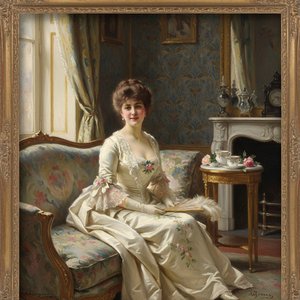
Alfred Stevens: Capturing Parisian Elegance & Fin-de-Siècle Intimacy
Discover the captivating world of Alfred Stevens, master of Parisian elegance & intimate portraiture. Explore his techniques, influences, and legacy – a prized collection for discerning art enthusiasts.

Romantic Realism's Finest: 10 Masterpieces for Your Home | OriginalUniqueArt
Explore 10 defining masterpieces of Romantic Realism! Discover Courbet, Millet & Daumier's powerful paintings—capturing emotion and social realities. Find museum-quality reproductions for your home at OriginalUniqueArt.com.
Realismus v umění: Top 10 děl a jejich příběhy | OriginalUniqueArt.cz
Prozkoumejte 10 ikonických děl realismu od Courbeta po Maneta. Objevte příběhy slavných malířů, techniky a hluboký význam těchto uměleckých skvostů. Najděte perfektní reprodukci obrazu pro váš interiér na OriginalUniqueArt.cz