
 Zobrazit v interiéru
 Odeslat
 Sdílet
 Podrobnosti
 Průvodce

 Stáhnout obrázek
 Podobné kousky
 Rentgenové snímky
 Slideshow
 Statistiky
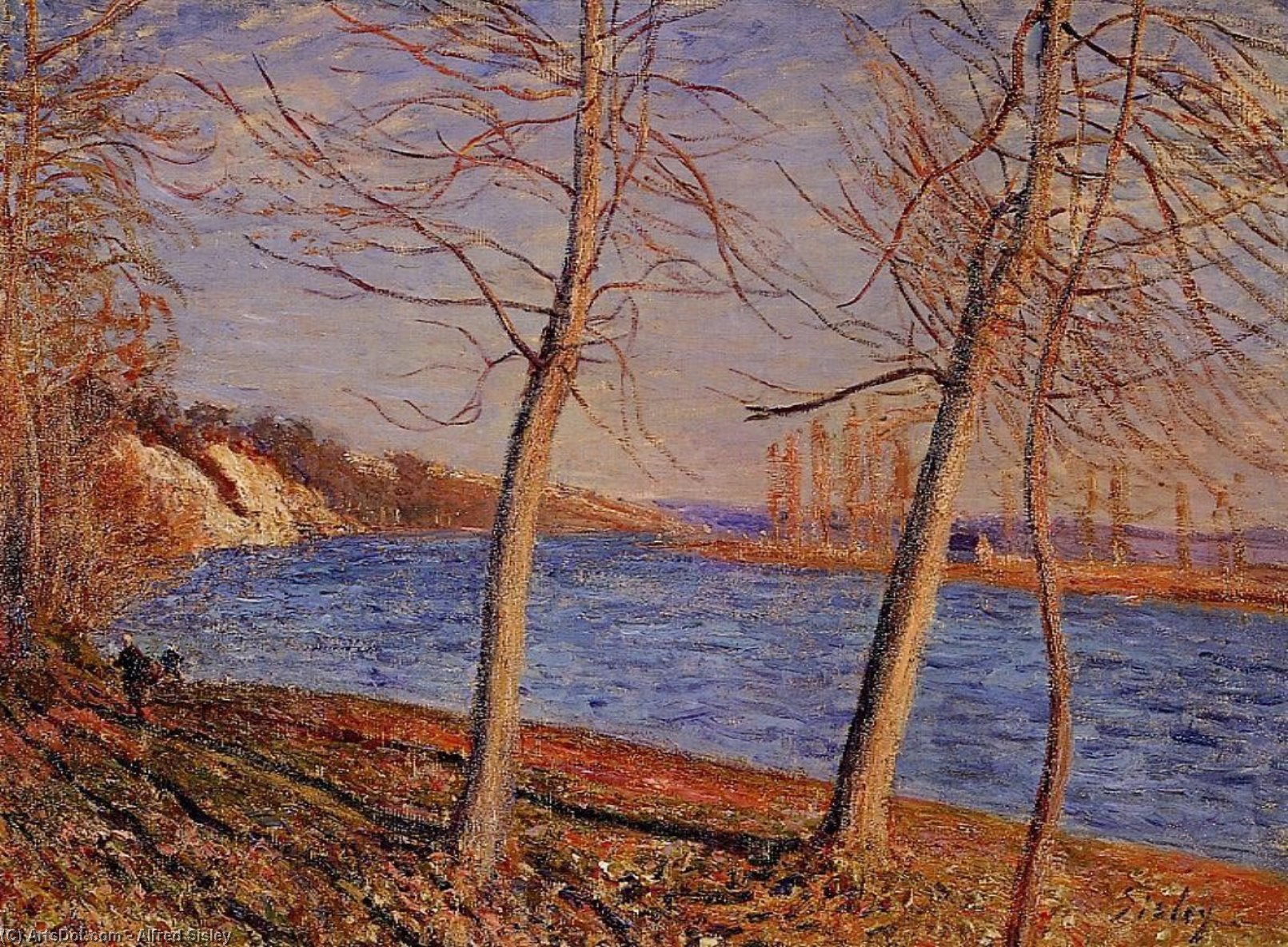
Riverbank at Veneux
 Oil On Canvas
- WallArt
- Impressionist Landscape
 1881
1881 60.0 x 81.0 cm
 Johannesburg Art Gallery
 Přečíst si více
Zakupte si digitální obraz ve vysokém rozlišení a vylepšeném provedení, který nabízí mnohem vyšší kvalitu než online náhled.
Každý soubor je pečlivě připraven našimi specialisty s využitím pokročilých nástrojů a odborné manuální retuše. Zajišťujeme, aby každý obraz disponoval výjimečnou ostrostí, přesnou barevnou věrností a jemnými detaily.
Finální soubor vám bude do 72 hodin zaslán e-mailem, optimalizovaný pro okamžité použití v profesionálním, redakčním i tiskovém prostředí. Nabízíme stejnou kvalitu, které důvěřují špičková designová studia, nakladatelství i galerie.
Digitální obrazy
Stáhněte si soubor ve vysokém rozlišení pro osobní prohlížení, tisk a kreativní projekty. ( Přepnout na tiskové verze Objednat ručně malovanou reprodukci)
Součást každé objednávky digitálního obrazu
Exponenciální digitální doručení, zaručené
Když si vyberete OriginalUniqueArt.com, nezískáváte pouze obrázek – získáváte digitální umělecké dílo s profesionálně vylepšenými detaily, zpracované s precizností a podpořené zárukou za spokojenost. Zde je vše, co vaše objednávka automaticky obsahuje:

Bleskové doručení e-mailem
Váš digitální obraz ve vysokém rozlišení vám bude zaslán e-mailem do 72 hodin od objednávky – připraven k okamžitému použití.

Digitální soubor s podporou AI
Vaše umělecké dílo je profesionálně optimalizováno pomocí pokročilých nástrojů umělé inteligence a manuální úpravy, což zajišťuje maximální úroveň detailu, ostrosti a přesnosti barev.

Doživotní bezplatné znovuodeslání
Soubor jste omylem smazali nebo ztratili? Žádný problém – kdykoliv vám ho znovu zašleme zcela zdarma.

Bez poplatků za dovoz – navždy
Užijte si své umělecké dílo okamžitě bez celních poplatků, daní nebo nákladů na dopravu – digitální stažení je vždy bez daňových povinností.

Záruka přesnosti barev
Díky profesionálním nástrojům a správě barev zajišťujeme, aby váš digitální obraz odrážel původní barvy co nejvěrněji.

100dená záruka spokojenosti
Pokud nebudete s digitálním obrázkem spokojeni, provedeme jeho revizi nebo vám vrátíme 100% platby do 100 dnů – bez jakýchkoliv dotazů.

100% záruka vrácení peněz
Nespokojeni? Získejte plnou náhradu peněz do 100 dnů od obdržení digitálního souboru – bez zbytečných dotazů.

Slevy při hromadných objednávkách
Při koupi 3 obrazů ušetříte 10% – Při koupi 5 obrazů ušetříte 15% – Při koupi 10+ obrazů ušetříte 20%. Ideální pro kreativní projekty, galerie a agentury.
A Symphony in Sunset Hues: Exploring Alfred Sisley’s Riverbank at Veneux
The painting “Riverbank at Veneux,” executed by Alfred Sisley in 1881, isn't merely a depiction of a riverside landscape; it’s an embodiment of Impressionist philosophy distilled onto canvas. Situated within the Johannesburg Art Gallery’s collection—a testament to South Africa’s burgeoning appreciation for European art—this serene scene captures the fleeting beauty of twilight over a tranquil waterway. Sisley, alongside Monet and Renoir, spearheaded the movement that revolutionized painting in the late 19th century, rejecting academic conventions in favor of capturing immediate sensory experience.The Impressionist Technique: Light as Subject Matter
Sisley’s masterful technique exemplifies the core tenets of Impressionism. Rather than striving for meticulous realism—a hallmark of earlier artistic traditions—he prioritized conveying the atmosphere and luminosity of a particular moment. Thick, visible brushstrokes—characteristic of Sisley's style—are layered upon each other to build up tonal variations that mimic the diffusion of light across the water’s surface and through the foliage lining the embankment. The artist eschewed blending colors extensively, allowing them to mingle optically on the retina, creating a vibrant tapestry of hues that shift subtly with changing illumination. Observe how Sisley captures the fiery oranges and reds of the setting sun reflecting off the ripples in the river—a deliberate rejection of traditional chiaroscuro (light-dark contrast) techniques.Historical Context: The Rise of Parisian Landscape Painting
“Riverbank at Veneux” emerged during a period of significant artistic innovation in Paris, fueled by advancements in scientific understanding of light and color. Scientists like Michel Eugène Chevreul had begun to investigate how pigments interact with each other and how perception is influenced by surrounding hues—insights that directly informed the Impressionists’ approach to painting. The painting reflects the broader cultural preoccupation with capturing the natural world during this era, mirroring a growing interest in plein air painting—working outdoors directly from observation—a practice championed by artists like Sisley and Corot. Veneux itself was a location of considerable artistic significance; it served as a favored subject for Impressionist painters seeking inspiration from the picturesque Provençal countryside.Symbolism Beyond Surface Beauty
While aesthetically pleasing, “Riverbank at Veneux” possesses deeper symbolic resonance. The river represents fluidity, change, and the passage of time—themes frequently explored by Romantic artists preceding Sisley’s movement. However, Impressionists like Sisley transformed these symbols into expressions of subjective emotion rather than didactic narratives. The stillness of the water contrasts with the subtle movement of the boats in the distance, suggesting a harmonious coexistence between nature and human activity. More profoundly, the painting invites contemplation on the ephemeral nature of beauty itself—a central preoccupation of the Impressionist aesthetic.Emotional Impact: Tranquility Captured in Paint
Ultimately, “Riverbank at Veneux” succeeds in conveying an unparalleled sense of tranquility and contemplative wonder. The artist’s skillful manipulation of color and brushstroke creates a visual experience that resonates with viewers on an emotional level—transporting them to the serene beauty of a Provençal sunset. It's a painting that speaks to our innate desire for connection with nature, reminding us to savor fleeting moments of sublime splendor. Like many Impressionist masterpieces, it continues to inspire artists and collectors alike, securing its place as a cornerstone of European art history.Biografie umělce
A Life Immersed in Light and Landscape
Alfred Sisley, a name often whispered alongside those of Monet, Renoir, and Pissarro, occupies a unique and profoundly beautiful space within the Impressionist movement. Born in Paris on October 30, 1839, to British parents—William Sisley, a silk merchant, and Felicia Sell, a music enthusiast—he carried a dual heritage that subtly informed his artistic vision. Though he would spend nearly his entire life in France, Sisley retained British citizenship, a fact that brought him personal disappointment later in life when applying for French naturalization was refused. His early years were comfortably bourgeois, affording him the opportunity to pursue studies initially intended for a commercial career in London at the age of eighteen. However, the allure of art proved too strong, and he returned to Paris in 1861, embarking on formal training under Swiss artist Marc-Charles-Gabriel Gleyre at the École des Beaux-Arts. It was here, amidst the burgeoning artistic ferment of the era, that Sisley forged crucial friendships with Monet, Renoir, and Bazille—relationships that would profoundly shape his artistic trajectory. These companions shared a rebellious spirit, rejecting the rigid conventions of academic painting in favor of capturing the fleeting effects of light and atmosphere directly from nature.The Quiet Master of Impressionism
Sisley’s dedication to *plein air* painting—working outdoors, directly observing the natural world—was unwavering. Unlike some of his contemporaries who experimented with diverse genres, Sisley remained steadfastly committed to landscape throughout his career. This focused devotion allowed him to refine a distinctive style characterized by tranquility, delicate color palettes, and a subtle rendering of light. His canvases are often awash in pale shades of green, pink, purple, dusty blue, and cream, creating an atmosphere of serene contemplation. While the early works remain largely lost to time, his mature paintings reveal a meticulous observation of nature combined with a poetic sensibility. He wasn’t interested in grand narratives or dramatic gestures; instead, he found beauty in the everyday—in the gentle flow of rivers, the dappled light filtering through trees, and the quiet charm of rural life. His early struggles for recognition were compounded by his father's financial difficulties following the Franco-Prussian War in 1870, forcing Sisley to rely solely on the sale of his art for sustenance—a precarious existence that shadowed much of his career. He was a true Impressionist, but one who often labored in relative obscurity during his lifetime.Rivers, Canals, and the Essence of Place
Recurring themes permeate Sisley’s oeuvre, most notably his fascination with water. River landscapes became a signature subject, exemplified by his series of paintings created during a trip to England in 1874 along the Thames near Molesey. These works, capturing the tranquil beauty of the river and its surroundings, are considered among his finest achievements—a “perfect moment of Impressionism,” as art historian Kenneth Clark described them. He also developed a deep connection with Moret-sur-Loing, where he lived for many years, immortalizing its canals, bridges, and surrounding countryside in numerous canvases. Paintings like "Watermill near Moret," "Barges on the Loing Canal, Spring", and “Fields around the Forest” showcase his ability to imbue ordinary scenes with a sense of poetic grace. He didn’t merely depict these places; he captured their *essence*, conveying not just what they looked like but how they felt—the gentle breeze, the warmth of the sun, the quiet murmur of the water. This sensitivity to atmosphere and mood is perhaps Sisley's most enduring legacy.Influences and a Lasting Legacy
Sisley’s artistic influences were multifaceted. Gleyre’s academic training provided a foundation in technique, while the camaraderie with Monet, Renoir, and Bazille fostered a shared commitment to Impressionist principles. He absorbed their emphasis on capturing fleeting moments of light and atmosphere but developed his own unique voice—one characterized by restraint and subtlety. Though he often labored in relative obscurity during his lifetime, Sisley’s work is now celebrated for its beauty, sensitivity, and unwavering dedication to portraying nature. His influence can be seen in the works of later landscape painters who sought to capture the ephemeral qualities of light and atmosphere with similar nuance. He was, and remains, a master of light, atmosphere, and the quiet poetry of the natural world.- Major Themes: Landscapes, riverscapes, canals, rural life, atmospheric effects.
- Key Characteristics: Delicate color palettes, subtle rendering of light, tranquil mood, *plein air* painting.
- Influences: Marc-Charles-Gabriel Gleyre, Claude Monet, Pierre-Auguste Renoir, Frédéric Bazille, Barbizon school painters.
Historical Significance
Sisley’s historical significance extends beyond his technical skill and aesthetic sensibility. His unwavering commitment to *plein air* painting, even in the face of financial hardship and critical indifference, paved the way for future generations of artists who sought to break free from academic conventions and embrace a more direct engagement with nature. His paintings offer a glimpse into a rapidly changing world—a world on the cusp of modernity—and remind us of the enduring power of art to capture the beauty and tranquility that can be found even in the most humble of landscapes. He was, and remains, a master of light, atmosphere, and the quiet poetry of the natural world.
Alfred Sisley
1839 - 1899 , Francie
Rychlé informace
- Artistic Movement Or Style: Impresionismus
- Artists Or Movements Influenced By This Artist: ['Barbizon']
- Artists Who Influenced This Artist:
- Gleyre
- Monet
- Bazille
- Date Of Birth: 1839-10-30
- Date Of Death: 1899-01-29
- Full Name: Alfred Sisley
- Nationality: Francouzsko-Anglický
- Notable Artworks:
- Vodní mlýn u Moretu
- Člunky na kanálu Loing
- Place Of Birth: Paříž, Francie