
 Náhled v interiéru

 Sdílet
 Sdílet
 Podrobnosti o díle
 Průvodce


 Stáhnout
 Podobné položky
 Rentgenové snímky
 Slideshow
 Otázky a odpovědi
 Statistiky
Untitled


 Zobrazit více
Umělecké dílo zobrazené na této stránce je chráněno autorským zákonem, což znamená, že nemůžeme legálně vytvářet ani prodávat jeho identickou reprodukci. Tato ochrana je vymáhána na základě mezinárodních dohod, jako například Berberská úmluva a národními zákony, včetně těch stanovených v Americký autorský zákon – Díl 17. Všechna práva vyhrazena.
Tato metoda je plně v souladu s autorským právem, protože nezahrnuje kopírování ani duplikování chráněného díla. Jde o kreativní reinterpretaci – nový obraz, který je inspirován originálem, ale není s ním identický.
Giclée / Umělecký tisk
Giclée nebo plátěný tisk muzeální kvality s rychlou výrobou a širokou nabídkou povrchových úprav. ( Koupit ručně malovaný obraz Přepnout na digitální obraz)




P118B Kč10

P118H Kč10

P118W Kč10

P438Z Kč10

P508JH Kč12

P508YH Kč12

P805H Kč10

P805Z Kč10

P919BZ Kč10

P919G Kč10

P919XJ Kč10

P959ZH Kč10

P968JZ Kč12

W106C Kč8

W218G Kč10

W218JH Kč8

W218Y Kč10

W307PJ Kč10

W316G Kč10

W316PJ Kč8

W316Y Kč10

W398PJ Kč8

W4111J Kč10

W500HY Kč15

W500JH Kč15

W692G Kč12

W849H Kč8

W940BG Kč15

W953PJ Kč8




Vyberte si z našich přednastavených velikostí, které odpovídají původním proporcím díla.

Zadejte šířku a výšku, které potřebujete pro váš rám nebo stěnu. Tisk lze pouze oříznout, nikdy však nelze zvětšit obraz nad jeho původní rozměr, proto při výběru jiného formátu dochází ke ztrátě části obrazu. Před samotným tiskem vám zašleme digitální náhled k schválení. Obraz zobrazený na této stránce nenabízí skutečný výřez — ten uvidíte pouze v náhledu.
Celosvětové doručení () do 2 týdnů namísto standardních 4/5 týdnů. (17 listopad)

Zdarma celosvětová expresní doprava

Vysoce kvalitní lněné plátno

Kompletní pojištění přepravy

Záruka vrácení celního poplatku

Záruka věrného barevného souladu

100dení lhůta pro vrácení zboží (pouze při vadách výroby)

100% záruka vrácení peněz

Sleva při více objednávkách
 Skleněná varianta je dostupná pouze u rozměrů menších než 110 cm

Untitled
Giclée / Umělecký tisk
Rozměry reprodukce
-


Celková cena za vybrané možnosti reprodukcí
Kč 1758
Biografie umělce
The Luminous Path of Spiritual Abstraction
Alfred Manessier stands as a singular figure in the landscape of French abstract art, particularly within the influential New School of Paris movement. Born amidst the fishing villages and mason families of Picardy, Northern France, his artistic journey was shaped by a profound familial heritage. With a grandfather who practiced decorative stonemasonry and a father and uncle who studied at the École des Beaux Arts in Abbeville, Manessier possessed a foundational appreciation for craftsmanship and creative expression from his earliest years. This upbringing instilled in him a conviction that would permeate his entire oeuvre: the pursuit of art not merely as decoration, but as a sacred conduit to spiritual contemplation.
His formative years witnessed a profound shift when his father unexpectedly passed away, liberating him to pursue his artistic ambitions with renewed fervor. Initially enrolled in architecture at the École Supamente d’Architecture et de Beaux-Arts Paris, he swiftly transitioned to painting under the tutelage of Roger Bissiere at Académie Ranson in 1935. This pivotal decision coincided with a period of personal upheaval and professional awakening, cementing his dedication to artistic exploration and propelling him toward a path radically divergent from conventional academic pursuits. The 1937 Paris International Exposition proved transformative, as Manessier found himself part of an ambitious project for the transportation centers—the Air Palace and Railways Palace—tasked with showcasing avant-garde art to the public alongside luminaries like Sonia and Robert Delaunay.
A Conversion of Light and Form
The trajectory of Manessier’s work was irrevocably altered by a moment of profound spiritual encounter. In 1943, following a three-day retreat at the monastery of the Grande Trappe de Soligny, he experienced a conversion that would permanently mark his life and aesthetic language. This experience led to the disappearance of remaining figurative references in his painting, replaced by a rigorous search for deep inner expression through a process he termed intériorisation. Unlike mere abstraction, which might focus on purely formal qualities, Manessier’s work sought a union between man and nature, using color and light to evoke the divine.
During the turbulent years of the Second World War, Manessier found refuge in the Perche region, where his home became a sanctuary for fellow artists. It was during this period that he participated in exhibitions such as Vingt jeunes peintres de tradition française, an event considered the origin of the non-figurative movement. His style evolved into a masterful interplay of luminous tones and energetic lines, often utilizing layered impasto to create a sense of physical depth and emotional resonance. Whether working in oil, watercolor, or designing monumental tapestries and stained glass, his ability to capture the essence of light remained his greatest strength.
Legacy of the New School of Paris
Manessier’s historical significance lies in his ability to bridge the gap between the visceral energy of abstract expressionism and a deeply rooted spiritual tradition. As a key member of the Salon de Mai, he helped define a generation of artists who sought to rebuild the cultural landscape of France following the devastation of war. His work transcends the boundaries of traditional canvas, extending into the architectural realms of stained glass and tapestry, where his mastery of color could interact directly with natural light.
The enduring impact of his oeuvre can be summarized through several key artistic contributions:
- Spiritual Abstraction: The development of a non-figurative language capable of conveying profound religious and philosophical themes.
- Material Versatility: A seamless transition between the intimate textures of watercolor and the monumental scale of stained glass and tapestries.
- The New School of Paris: His role as a central figure in the post-war movement that redefined French modernism through intériorisation.
- Nature and Light: A lifelong commitment to exploring the symbiotic relationship between the natural world and human emotion through chromatic brilliance.
Today, the works of Alfred Manessier continue to captivate collectors and historians alike, serving as a testament to the power of art to act as a window into the soul. His legacy remains etched in the vibrant, swirling forms that invite every viewer to look beyond the surface and find their own moment of quiet, luminous contemplation.

Alfred Manessier
1911 - 1993 , France
Rychlé informace o umělci
- Artistic Movement Or Style: Spiritual Abstraction, New School of Paris
- Artists Or Movements Influenced By This Artist: ['New School of Paris']
- Artists Who Influenced This Artist: ['Roger Bissiere']
- Full Name: Alfred Manessier
- Nationality: French
- Notable Artworks:
- Printemps Nordique
- Hiver
- The wood orée
- Crown of thorn
- Milk jug and fruits
- Lumière de Chartres
- Untitled (950)
- Marine construction
- Les fruits mûrs
- Marquenterre
- The blue port
- Bush the dunes
- Composition
- Dutch winter
- Plein chant
- Spanish landscape
- Storm on wheat
- Early spring
- Passion
- Butterfly ii
- Fields of seaside
- Low tide
- Study for 'the birds passing on the campaign'
- stuctures ROCKIES
- Place Of Birth: Saint-Ouen, France
- Date Of Birth: 1911
- Date Of Death: 1993
Související články

25 Masterpieces by Édouard Manet: The Rebel Who Redefined Modern Art
Step into the revolutionary world of Édouard Manet. Explore 25 iconic Impressionist masterpieces, from scandalous classics to timeless portraits. Find inspiration for your decor with museum-quality art reproductions. Discover all masterpieces on OriginalUniqueArt.com.

25 Masterpieces by Édouard Manet: The Rebel Who Redefined Modern Art
Journey through the rebellious soul of French Impressionism with our curated list of Édouard Manet's top 25 masterpieces. From iconic scandals to modern Parisian scenes, explore the stories behind these timeless works and find museum-quality art reproductions. Discover all on OriginalUniqueArt.com.
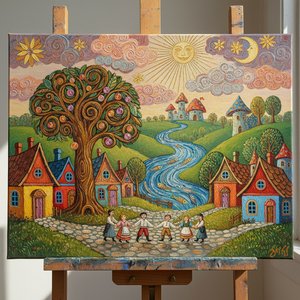
The Unconventional Vision: Exploring the Characteristics, History & Enduring Appeal of Naïve Art
Explore the captivating world of naïve art! Discover its history, characteristics, key artists & collecting tips from OriginalUniqueArt's experts. Find your perfect piece today.

10 Powerful Neo-Expressionist Masterpieces That Redefined Modern Art
Explore iconic Neo-Expressionist works by Basquiat and Kiefer. Discover museum-quality masterpieces on OriginalUniqueArt.com.

Color Unleashed: The Top 25 Masterpieces by Henri Matisse
Immerse yourself in the vibrant world of Henri Matisse. Explore 25 iconic Fauvist masterpieces, from bold color experiments to timeless cutouts. Find inspiration for your collection with museum-quality art reproductions and curated decor ideas. Discover all masterpieces on OriginalUniqueArt.com.