
 Odeslat
 Sdílet
 Podrobnosti
 Průvodce

 Stáhnout obrázek
 Podobné kousky
 Slideshow
 Statistiky
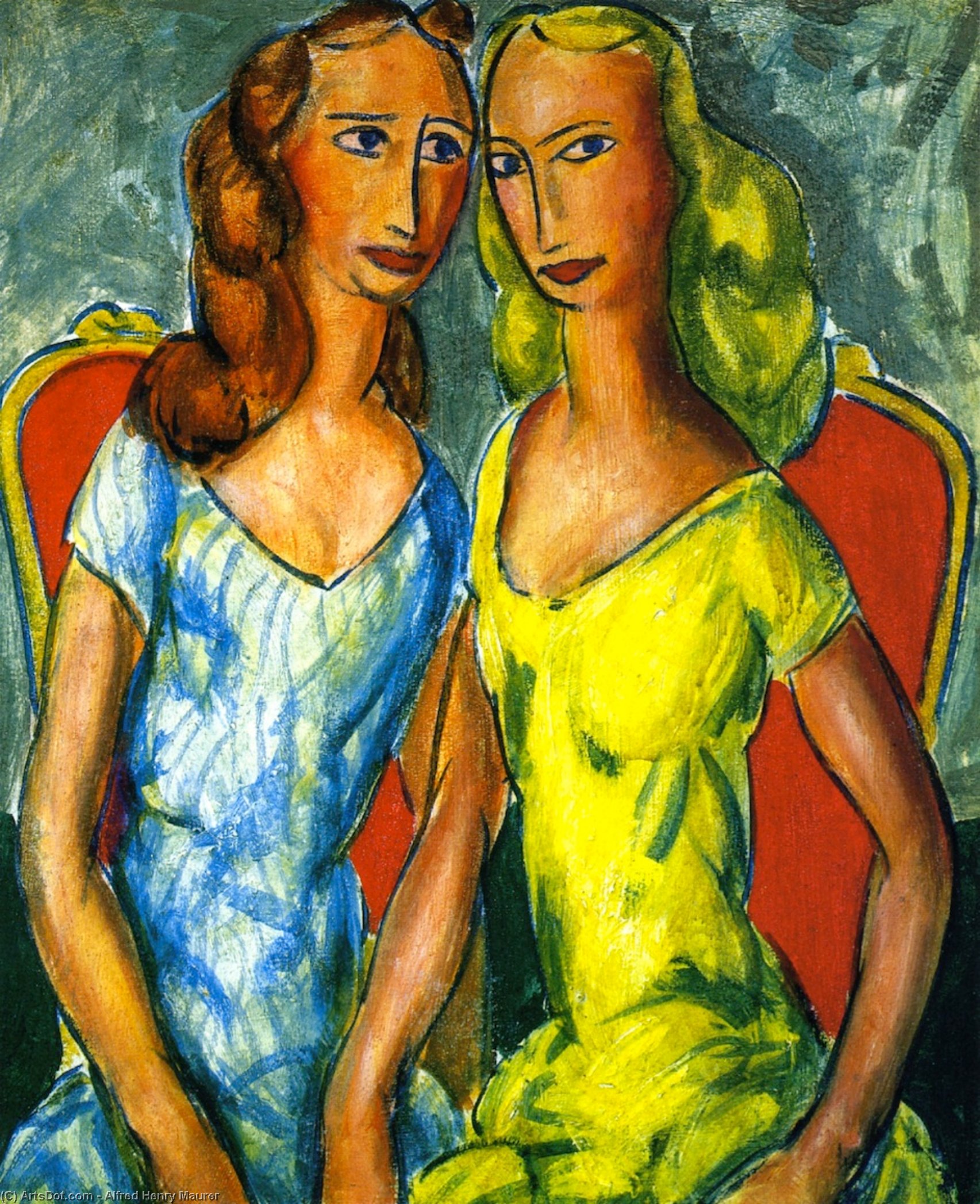
Two Sisters


 Přečíst si více
Giclée / Umělecký tisk
Giclée nebo plátěný tisk muzeální kvality s rychlou výrobou a širokou nabídkou povrchových úprav. ( Objednat ručně malovanou reprodukci Přepnout na digitální verzi obrazu)




































Vyberte si z našich přednastavených velikostí, které odpovídají původním proporcím díla.

Můžete zadat vlastní rozměry tak, aby výtvor odpovídal konkrétnímu rámu nebo prostoru. Pokud zvolená velikost nebude odpovídat poměru stran původního obrazu, dílo buď ořížeme, nebo obraz rozšíříme pomocí zrcadlového efektu či jednobarevného okraje. Před zahájením výroby vám bude zaslán digitální náhled k schválení.
Mějte prosím na paměti, že náhled na obrazovce neodráží skutečné oříznutí nebo rozšíření. Pouze digitální náhled přesně zobrazí finální kompozici.
Ačkoliv jsou k dispozici i vlastní rozměry, pro zachování původních proporcí doporučujeme vybrat si rozměr z předdefinovaného seznamu.
Celosvětové doručení () do 2 týdnů namísto standardních 4/5 týdnů. (25 září)

Zdarma celosvětová expresní doprava

Vysoce kvalitní lněné plátno

Úplné pojištění přepravy

Záruka vrácení celního poplatku

Záruka věrného barevného shodu

100dení lhůta pro vrácení zboží (pouze při vadách výroby)

100% garance vrácení peněz

Sleva při více objednávkách
 Skleněná varianta je dostupná pouze u rozměrů menších než 110 cm

Two Sisters
Giclée / Umělecký tisk
Velikost reprodukce
-


Celková cena
$ 80
A Quiet Intimacy Captured in Color
In the soft, evocative realm of Alfred Henry Maurer’s 1924 masterpiece, Two Sisters, we are invited into a private moment of shared existence. This exquisite fresco-style painting captures two women seated side by side, their presence anchored by the vibrant red cushions of their chairs. There is an undeniable sense of stillness in the composition, as if the viewer has stumbled upon a fleeting second of quiet contemplation between companions. Whether they are engaged in a whispered conversation or are both lost in the observation of a single, unseen object, the connection between them is palpable. The way they lean toward one another creates a closed circuit of intimacy, drawing the observer into their shared world and evoking a profound sense of companionship that transcends the canvas.
The visual language of the piece is a masterful study in balance and chromatic harmony. Maurer utilizes a striking palette where the primary colors dance in subtle dialogue; the sun-drenched yellow of one woman’s dress contrasts beautifully with the cool, serene blue of her sister's attire. These bold hues are grounded by the rhythmic pops of crimson from the chair cushions, which lend a structural vitality to the scene. Through his use of the fresco technique, Maurer achieves a unique texture that provides a tactile depth to the work, allowing the light to play across the surface as if the painting itself were breathing. The loose, expressive brushstrokes—reminiscent of the Impressionist and Modernist movements—soften the edges of reality, turning a simple portrait into a poetic meditation on light and form.
A Legacy of American Modernism
To understand the emotional weight of Two Sisters, one must look to the artistic journey of Alfred Henry Maurer himself. A product of the vibrant New York art scene and deeply influenced by his transformative years in Paris, Maurer was an artist who navigated the tension between tradition and the avant-garde. By 1924, his style had matured into a sophisticated blend of figurative precision and modern abstraction. This painting serves as a testament to his ability to capture the human essence through color and composition rather than mere anatomical accuracy. His work does not simply depict subjects; it captures an atmosphere, making it an ideal centerpiece for those looking to infuse a space with historical depth and emotional resonance.
For the discerning collector or interior designer, Two Sisters offers more than just aesthetic beauty; it offers a narrative of connection. The painting’s ability to harmonize bold, saturated colors with a gentle, intimate subject matter makes it a versatile choice for various high-end decor styles, from contemporary minimalism to classic traditionalism. Owning a high-quality, handmade oil reproduction of this work allows one to bring the spirit of early 20th-century American Modernism into the modern home. It is an invitation to pause, to reflect, and to surround oneself with the enduring beauty of a moment frozen in time, much like the two sisters who remain eternally connected within Maurer’s vision.
Biografie umělce
Alfred Henry Maurer: A Life in Modern Art
Alfred Henry Maurer (1868 – 1932) was a pivotal figure in the American Modernist movement, an artist whose unwavering dedication to experimentation and bold stylistic choices ultimately contrasted sharply with his lifetime recognition. Born April 21st, 1868, in New York City, Maurer’s artistic journey began amidst familial discord—his father vehemently opposed the burgeoning trends of modern art, a paradox that ignited within him a profound passion for creative expression. At sixteen, he abandoned formal schooling to join his father's lithographic firm, gaining invaluable practical experience while simultaneously nurturing his artistic aspirations. This formative period instilled in him a disciplined eye and a grounding in traditional craftsmanship—skills that would later serve as a springboard for his revolutionary stylistic breakthroughs. His early self-portrait embodies youthful optimism and burgeoning confidence, capturing the spirit of an artist embarking on his creative path.Parisian Influences and Artistic Breakthrough
Maurer’s artistic trajectory took its decisive turn in 1897 when he traveled to Paris—a city teeming with artistic fervor and brimming with innovative ideas. He immersed himself within a vibrant community of American and French artists, absorbing influences from Impressionism and Symbolism alike. This exposure proved transformative, propelling him toward uncharted stylistic territories. The culmination of this period arrived in 1901 with *An Arrangement*, a painting that secured first prize at the Carnegie International Exhibition—a triumph that instantly established Maurer as a rising talent within the American art world. Critics compared his work to Whistler and Chase, recognizing its masterful use of color and fluid brushstrokes. The acclaim validated his father’s initial skepticism and fueled his ambition for future success.Shifting Styles and Challenges
Maurer's artistic vision continued to evolve after his Carnegie victory. He embraced the avant-garde currents championed by Gertrude Stein and Leo Stein, delving into Cubist and Fauvist aesthetics—movements that challenged conventional artistic norms. However, this stylistic shift provoked considerable controversy. Despite his unwavering commitment to experimentation, Maurer experienced a decline in international recognition and faced significant financial hardships. The persistent disapproval of his father weighed heavily upon him, adding to the pressures inherent in navigating an increasingly competitive art landscape. He steadfastly pursued his artistic convictions, even as critics questioned their merit.Key Achievements and Recognition
Maurer’s participation in landmark exhibitions solidified his position within the American Modernist movement: The Armory Show of 1913 presented his work to a receptive American audience—a moment that underscored the radical nature of his artistic endeavors. “The Forum Exhibition of Modern American Painters” (1916) further cemented his reputation as a pioneer of innovative visual language. In 1919, he was elected Director of the Society of Independent Artists, demonstrating his unwavering belief in artistic freedom and challenging established conventions. His dedication to pushing boundaries ensured that Maurer’s legacy would endure beyond his lifetime.Later Life and Legacy
Maurer continued to refine his technique and explore new creative avenues throughout his life—a testament to his enduring passion for art. Tragically, he succumbed to suicide on August 4th, 1932, at the age of sixty-four – a poignant end to a life marked by both artistic brilliance and personal struggle. Despite facing considerable adversity during his lifetime, Maurer’s work remains an important exemplar of early American Modernism, bridging European avant-garde movements with a uniquely American sensibility. His paintings continue to inspire, reminding us that true artistry demands courage—the willingness to defy expectations and pursue one's vision regardless of circumstance.
Alfred Henry Maurer
1868 - 1932 , Spojené státy americké
Rychlé informace
- Artistic Movement Or Style: Modernismus, Fauvizmus, Kubismus
- Artists Or Movements Influenced By This Artist: ['Americký modernismus']
- Artists Who Influenced This Artist:
- Gertrude Stein
- Leo Stein
- Date Of Birth: 21. dubna 1868
- Date Of Death: 4. srvna 1932
- Full Name: Alfred Henry Maurer
- Nationality: Američan
- Notable Artworks:
- An Arrangement
- Žena v zahradě
- Pláž Rockaway
- Place Of Birth: New York City, USA
Související články
Azure Visions: Exploring Representations of the Blue Dress in Western Art History
Explore the rich history of the blue dress in Western art! Discover its symbolism, from Renaissance masterpieces to modern interpretations by artists like Martin & Schiele. Uncover cultural meanings and artistic techniques.

Deset ikonických obrazů v odstínech šedé modré: Umění a inspirace pro váš domov
Objevte deset ikonických obrazů v odstínech šedé modré od Van Gogha, Moneta a dalších mistrů. Ponořte se do příběhů umění, technik a inspirace pro váš interiér. Reprodukce obrazů nejvyšší kvality na OriginalUniqueArt.com.

The Allure of Azure: Exploring the Symbolic & Aesthetic Depths of Blue in Art History
Explore the rich history of blue in art! Discover its symbolism, from ancient pigments to modern masterpieces by Kandinsky & Seurat. Uncover the psychological impact and cultural meanings behind this captivating hue.

Crimson Threads of Narrative: Exploring Symbolism & Representation in Artworks Featuring the Red Dress
Explore the rich symbolism of the red dress in art history! From ancient power displays to iconic portraits like Cézanne’s 'Madame Cezanne', discover the cultural and artistic significance behind this captivating color. Expert analysis & insights.
Top 10 slavných obrazů v zářivých odstínech chromové žluté | OriginalUniqueArt.cz
Objevte top 10 slavných obrazů ovládaných chromovou žlutou! Prozkoumejte příběhy Van Gogha, Moneta a dalších mistrů impresionismu. Najděte inspiraci pro váš interiér s uměleckými reprodukcemi na OriginalUniqueArt.com.