

 Zobrazit v interiéru
 Odeslat
 Sdílet
 Podrobnosti
 Průvodce

 Stáhnout obrázek
 Podobné kousky
 Rentgenové snímky
 Slideshow
 Statistiky
Still Life with Pears


 Přečíst si více
Giclée / Umělecký tisk
Giclée nebo plátěný tisk muzeální kvality s rychlou výrobou a širokou nabídkou povrchových úprav. ( Objednat ručně malovanou reprodukci Přepnout na digitální verzi obrazu)




P118B $10

P118H $10

P118W $10

P438Z $10

P508JH $12

P508YH $12

P805H $10

P805Z $10

P919BZ $10

P919G $10

P919XJ $10

P959ZH $10

P968JZ $12

W106C $8

W218G $10

W218JH $8

W218Y $10

W307PJ $10

W316G $10

W316PJ $8

W316Y $10

W398PJ $8

W4111J $10

W500HY $15

W500JH $15

W692G $12

W849H $8

W940BG $15

W953PJ $8




Vyberte si z našich přednastavených velikostí, které odpovídají původním proporcím díla.

Můžete zadat vlastní rozměry tak, aby výtvor odpovídal konkrétnímu rámu nebo prostoru. Pokud zvolená velikost nebude odpovídat poměru stran původního obrazu, dílo buď ořížeme, nebo obraz rozšíříme pomocí zrcadlového efektu či jednobarevného okraje. Před zahájením výroby vám bude zaslán digitální náhled k schválení.
Mějte prosím na paměti, že náhled na obrazovce neodráží skutečné oříznutí nebo rozšíření. Pouze digitální náhled přesně zobrazí finální kompozici.
Ačkoliv jsou k dispozici i vlastní rozměry, pro zachování původních proporcí doporučujeme vybrat si rozměr z předdefinovaného seznamu.
Celosvětové doručení () do 2 týdnů namísto standardních 4/5 týdnů. (26 září)

Zdarma celosvětová expresní doprava

Vysoce kvalitní lněné plátno

Úplné pojištění přepravy

Záruka vrácení celního poplatku

Záruka věrného barevného shodu

100dení lhůta pro vrácení zboží (pouze při vadách výroby)

100% garance vrácení peněz

Sleva při více objednávkách
 Skleněná varianta je dostupná pouze u rozměrů menších než 110 cm

Still Life with Pears
Giclée / Umělecký tisk
Velikost reprodukce
-


Celková cena
$ 80
Alfred Henry Maurer: A Pioneer of American Modernist Abstraction
Alfred Henry Maurer (1868 – 1932) stands as an enigmatic figure in the annals of American art history, largely unrecognized during his lifetime but now celebrated for his groundbreaking contribution to Cubism and Fauvism. Born in New York City amidst a familial discord regarding artistic pursuits—his father vehemently opposed modern artistic expression—Maurer’s formative years instilled within him a profound fascination with experimentation and innovation that would define his entire career. Despite abandoning formal schooling at sixteen to join his father's lithographic firm, this practical experience served only to amplify his yearning for creative fulfillment.- Early Artistic Exploration: Maurer’s self-portrait from his Parisian period embodies youthful optimism and burgeoning artistic confidence—a testament to his unwavering determination to pursue his passions despite familial opposition.
- Parisian Influences: Spending four formative years in Paris between 1897 and 1901 proved instrumental in shaping Maurer’s artistic vision. He immersed himself in the vibrant Parisian art scene, engaging with fellow American and French artists and absorbing new ideas that would propel him toward stylistic breakthroughs.
“Still Life with Pears” – An Emblematic Cubist Composition
Maurer's masterpiece, “Still Life with Pears,” completed around 1930-31, exemplifies the core tenets of Cubism and Fauvism—two movements that revolutionized artistic expression at the turn of the century. The painting depicts a simple yet meticulously rendered arrangement of objects: a cup positioned on the left side of the canvas, a bowl centrally located, alongside bananas scattered across the upper right corner and lower left area. Apples punctuate both the top left and bottom right corners, while oranges occupy the right edge of the composition. This seemingly unassuming subject matter is transformed into an arresting visual experience through Maurer’s masterful use of color and geometric abstraction.- Color Palette: Maurer employed a bold palette characterized by intense hues—primarily yellows and reds—that departed dramatically from Impressionistic conventions. These colors weren't merely decorative; they served as conduits for emotional expression, conveying a sense of dynamism and immediacy.
- Geometric Fragmentation: The painting’s defining feature is its geometric fragmentation—a technique borrowed directly from Cubist principles. Maurer dissected the objects depicted into interlocking planes, presenting multiple perspectives simultaneously to challenge traditional notions of representation.
The Carnegie International Prize – Recognition of Innovation
“Still Life with Pears” achieved unparalleled acclaim at the 1901 Carnegie International Exhibition in Pittsburgh—winning first prize and establishing Maurer as a pivotal voice within American Modernist art. This prestigious honor underscored the significance of his stylistic innovations and cemented his legacy as one of the pioneers who ushered in a new era of artistic experimentation. The painting’s impact extended beyond its immediate recognition, influencing subsequent generations of artists and shaping the trajectory of abstract art movements throughout the 20th century. Maurer's unwavering commitment to exploring uncharted artistic territories—his willingness to defy convention and embrace radical stylistic approaches—continues to inspire admiration and scholarly inquiry today.Symbolism Beyond Representation
While ostensibly depicting commonplace objects, “Still Life with Pears” transcends mere visual realism. Maurer’s deliberate use of color and geometric abstraction serves as a vehicle for conveying deeper symbolic meanings—themes that resonate with viewers on an emotional level. The vibrant yellows and reds evoke feelings of warmth, energy, and passion, mirroring the artist's own fervent belief in the transformative power of art. Furthermore, the fractured planes of the composition symbolize the fragmentation of perception itself—a concept central to Cubist thought and reflecting Maurer’s desire to challenge viewers’ assumptions about how they interpret visual information. Conclusion: Alfred Henry Maurer’s “Still Life with Pears” remains a cornerstone of American Modernist art, embodying not only stylistic innovation but also intellectual rigor and emotional depth—a testament to the enduring power of artistic vision.Biografie umělce
Alfred Henry Maurer: A Life in Modern Art
Alfred Henry Maurer (1868 – 1932) was a pivotal figure in the American Modernist movement, an artist whose unwavering dedication to experimentation and bold stylistic choices ultimately contrasted sharply with his lifetime recognition. Born April 21st, 1868, in New York City, Maurer’s artistic journey began amidst familial discord—his father vehemently opposed the burgeoning trends of modern art, a paradox that ignited within him a profound passion for creative expression. At sixteen, he abandoned formal schooling to join his father's lithographic firm, gaining invaluable practical experience while simultaneously nurturing his artistic aspirations. This formative period instilled in him a disciplined eye and a grounding in traditional craftsmanship—skills that would later serve as a springboard for his revolutionary stylistic breakthroughs. His early self-portrait embodies youthful optimism and burgeoning confidence, capturing the spirit of an artist embarking on his creative path.Parisian Influences and Artistic Breakthrough
Maurer’s artistic trajectory took its decisive turn in 1897 when he traveled to Paris—a city teeming with artistic fervor and brimming with innovative ideas. He immersed himself within a vibrant community of American and French artists, absorbing influences from Impressionism and Symbolism alike. This exposure proved transformative, propelling him toward uncharted stylistic territories. The culmination of this period arrived in 1901 with *An Arrangement*, a painting that secured first prize at the Carnegie International Exhibition—a triumph that instantly established Maurer as a rising talent within the American art world. Critics compared his work to Whistler and Chase, recognizing its masterful use of color and fluid brushstrokes. The acclaim validated his father’s initial skepticism and fueled his ambition for future success.Shifting Styles and Challenges
Maurer's artistic vision continued to evolve after his Carnegie victory. He embraced the avant-garde currents championed by Gertrude Stein and Leo Stein, delving into Cubist and Fauvist aesthetics—movements that challenged conventional artistic norms. However, this stylistic shift provoked considerable controversy. Despite his unwavering commitment to experimentation, Maurer experienced a decline in international recognition and faced significant financial hardships. The persistent disapproval of his father weighed heavily upon him, adding to the pressures inherent in navigating an increasingly competitive art landscape. He steadfastly pursued his artistic convictions, even as critics questioned their merit.Key Achievements and Recognition
Maurer’s participation in landmark exhibitions solidified his position within the American Modernist movement: The Armory Show of 1913 presented his work to a receptive American audience—a moment that underscored the radical nature of his artistic endeavors. “The Forum Exhibition of Modern American Painters” (1916) further cemented his reputation as a pioneer of innovative visual language. In 1919, he was elected Director of the Society of Independent Artists, demonstrating his unwavering belief in artistic freedom and challenging established conventions. His dedication to pushing boundaries ensured that Maurer’s legacy would endure beyond his lifetime.Later Life and Legacy
Maurer continued to refine his technique and explore new creative avenues throughout his life—a testament to his enduring passion for art. Tragically, he succumbed to suicide on August 4th, 1932, at the age of sixty-four – a poignant end to a life marked by both artistic brilliance and personal struggle. Despite facing considerable adversity during his lifetime, Maurer’s work remains an important exemplar of early American Modernism, bridging European avant-garde movements with a uniquely American sensibility. His paintings continue to inspire, reminding us that true artistry demands courage—the willingness to defy expectations and pursue one's vision regardless of circumstance.
Alfred Henry Maurer
1868 - 1932 , Spojené státy americké
Rychlé informace
- Artistic Movement Or Style: Modernismus, Fauvizmus, Kubismus
- Artists Or Movements Influenced By This Artist: ['Americký modernismus']
- Artists Who Influenced This Artist:
- Gertrude Stein
- Leo Stein
- Date Of Birth: 21. dubna 1868
- Date Of Death: 4. srvna 1932
- Full Name: Alfred Henry Maurer
- Nationality: Američan
- Notable Artworks:
- An Arrangement
- Žena v zahradě
- Pláž Rockaway
- Place Of Birth: New York City, USA
Související články
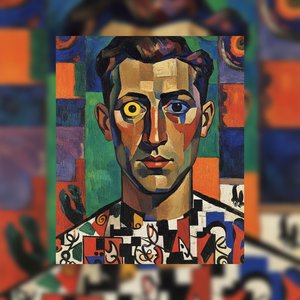
Alfred Henry Maurer: Reassessing the Pioneer of American Modernist Abstraction
Explore the groundbreaking work of Alfred Henry Maurer, a pivotal figure in American Modernism. Discover his Fauvist & Cubist paintings and understand his lasting influence on abstract art. Expert analysis for collectors.
Severin Roesen: Evoking National Identity Through American Still Life Painting
Explore the captivating world of Severin Roesen, a major American still life painter influenced by Dutch masters. Discover his lush compositions and the symbolism within his art – a window into 19th-century America.
Sir Alfred James Munnings: Top 25 Děl Mistra Koní – Umění a Dekorace pro Vaši Sbírku
Prozkoumejte 25 ikonických obrazů Alfreda Jamese Munnings, mistra koní a anglického impresionismu. Obdivujte realistické krajinomalby, jezdecké scény a válečné obrazy. Reprodukce a luxusní dekorace na OriginalUniqueArt.com! Prohlédněte si celou sbírku online.

Alfred Jacob Miller: Chronicling the American West Through Artistic Observation & Narrative
Explore the captivating art of Alfred Jacob Miller, chronicler of the American West. Discover his iconic paintings, techniques & lasting legacy – a valuable addition to any serious collection. Learn more at OriginalUniqueArt.

Henri Matisse: Top 25 děl mistra barev a dekorace pro váš domov | OriginalUniqueArt.com
Prozkoumejte 25 ikonických děl Henri Matisse – mistra barev a fauvismu. Objevte příběhy za slavnými obrazy, techniky a inspiraci pro váš interiér. Reprodukce obrazů nejvyšší kvality na OriginalUniqueArt.com.