Zobrazit v interiéru
 Odeslat
 Sdílet
 Podrobnosti
 Průvodce

 Stáhnout obrázek
 Podobné kousky
 Rentgenové snímky
 Slideshow
 Statistiky
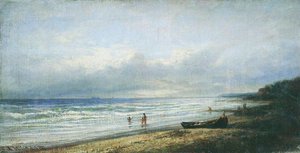
In the Park


 Přečíst si více
Giclée / Umělecký tisk
Giclée nebo plátěný tisk muzeální kvality s rychlou výrobou a širokou nabídkou povrchových úprav. ( Objednat ručně malovanou reprodukci Přepnout na digitální verzi obrazu)




P118B $10

P118H $10

P118W $10

P438Z $10

P508JH $12

P508YH $12

P805H $10

P805Z $10

P919BZ $10

P919G $10

P919XJ $10

P959ZH $10

P968JZ $12

W106C $8

W218G $10

W218JH $8

W218Y $10

W307PJ $10

W316G $10

W316PJ $8

W316Y $10

W398PJ $8

W4111J $10

W500HY $15

W500JH $15

W692G $12

W849H $8

W940BG $15

W953PJ $8




Vyberte si z našich přednastavených velikostí, které odpovídají původním proporcím díla.

Můžete zadat vlastní rozměry tak, aby výtvor odpovídal konkrétnímu rámu nebo prostoru. Pokud zvolená velikost nebude odpovídat poměru stran původního obrazu, dílo buď ořížeme, nebo obraz rozšíříme pomocí zrcadlového efektu či jednobarevného okraje. Před zahájením výroby vám bude zaslán digitální náhled k schválení.
Mějte prosím na paměti, že náhled na obrazovce neodráží skutečné oříznutí nebo rozšíření. Pouze digitální náhled přesně zobrazí finální kompozici.
Ačkoliv jsou k dispozici i vlastní rozměry, pro zachování původních proporcí doporučujeme vybrat si rozměr z předdefinovaného seznamu.
Celosvětové doručení () do 2 týdnů namísto standardních 4/5 týdnů. (27 září)

Zdarma celosvětová expresní doprava

Vysoce kvalitní lněné plátno

Úplné pojištění přepravy

Záruka vrácení celního poplatku

Záruka věrného barevného shodu

100dení lhůta pro vrácení zboží (pouze při vadách výroby)

100% garance vrácení peněz

Sleva při více objednávkách
 Skleněná varianta je dostupná pouze u rozměrů menších než 110 cm

In the Park
Giclée / Umělecký tisk
Velikost reprodukce
-


Celková cena
$ 80
A Journey Through Verdant Serenity
In the quiet embrace of 1872, Alexei Petrovich Bogoliubov captured a moment of profound stillness in his masterpiece, "In the Park." This evocative oil on canvas invites the viewer to step away from the clamor of modern life and wander into a secluded woodland sanctuary. The painting depicts a gentle path winding through a dense, lush forest, where a solitary figure moves with quiet purpose amidst the towering trees. At the heart of this composition lies a humble bench, positioned as an invitation for rest or deep contemplation, suggesting that nature is not merely a backdrop but a destination for the soul. Through his masterful use of light and shadow, Bogoliubov transforms a simple stroll through the woods into a spiritual encounter with the natural world.
The technique employed in this work reveals a sophisticated bridge between the precision of classical realism and the burgeoning energy of Impressionism. While the artist’s background at the Saint Petersburg Academy of Arts provided him with a foundation in meticulous detail, "In the Park" breathes with a loose, atmospheric vitality. The foliage is rendered through broken brushstrokes that allow light to dance across the leaves, creating a sense of movement as if a soft breeze were passing through the canopy. The color palette is a rich tapestry of earthy greens and deep browns, punctuated by sudden, brilliant flashes of yellow and orange that mimic the dappled sunlight filtering through the branches. This interplay of color and texture lends the painting a tactile quality, making the forest feel almost palpable to the observer.
The Soul of the Russian Landscape
To understand the emotional resonance of this piece, one must consider Bogoliubov’s unique place in art history. Influenced by the legendary Ivan Ayvazovsky and the naturalistic spirit of the Barbizon School, Bogoliubov possessed a rare ability to capture the essence of a landscape rather than just its topography. In "In the Park," there is a palpable sense of solitude that does not feel lonely, but rather restorative. The composition utilizes a strong diagonal line—the path itself—to draw the eye deep into the receding perspective, pulling the viewer into the heart of the woods. This structural choice creates an immersive experience, making the painting feel less like a window and more like an open doorway.
For the discerning collector or interior designer, this artwork offers much more than mere decoration; it provides an emotional anchor for any space. The subtle use of blues and purples in the shadows adds a layer of mystery and depth, ensuring that the painting maintains its intrigue even upon repeated viewings. Whether placed in a sunlit gallery or a quiet study, "In the Park" brings with it an aura of tranquility and timelessness. It serves as a constant reminder of our fundamental connection to the earth, making it a perfect centerpiece for those seeking to infuse their surroundings with peace, elegance, and the enduring beauty of the natural world.
Biografie umělce
Alexei Petrovich Bogoliubov: A Life Painted by Sea and Sky
Alexei Petrovich Bogolyubov, a name that resonates deeply within the annals of 19th-century Russian landscape and seascape painting, was an artist whose life unfolded as a rich tapestry woven with threads of naval service, artistic exploration, and profound connection to both the sea and the land. Born in 1824 in the Pomeranian village of Novgorod Gubernia, Russia – a region steeped in maritime history – his early existence laid the groundwork for a career profoundly shaped by the rhythms of the ocean. His father, a retired colonel, instilled within him a sense of discipline and military bearing, while his maternal grandfather, Alexander Radishchev, a celebrated philosopher known for his radical critiques of society, nurtured a spirit of independent thought and intellectual curiosity. This unique combination of influences – tradition and rebellion, order and freedom – would become central to Bogolyubov’s artistic vision.Early Years: From Military School to the Embrace of Art
Bogoliubov's early years were defined by formal education within the rigid structure of a military school. He received a rigorous training in discipline, strategy, and leadership—qualities that would later inform his approach to composition and perspective in his paintings. Following his graduation, he entered service in the Imperial Russian Navy, an experience that proved transformative. The voyages aboard naval vessels exposed him to a world far beyond the confines of his homeland, transporting him across vast oceans and introducing him to diverse cultures and landscapes. It was during this period, amidst the rolling waves and endless horizons, that Bogolyubov’s artistic inclinations began to blossom. Recognizing his burgeoning talent, he sought guidance from Duke Maximilian of Leuchtenberg, a patron of the arts who encouraged him to dedicate himself fully to painting. This pivotal encounter marked a turning point, leading him to abandon his naval career and enroll at the prestigious Saint Petersburg Academy of Arts in 1849 under the tutelage of Maxim Vorobiev.The Influence of Ayvazovsky and the Barbizon School
At the Academy, Bogolyubov’s artistic development was profoundly shaped by several key influences. Notably, he studied under Ivan Ayvazovsky, the celebrated master of marine painting, whose dramatic use of light, color, and atmosphere served as a cornerstone of his own style. Bogolyubov absorbed Ayvazovsky's technical mastery, particularly his ability to capture the dynamic energy of the sea—the crashing waves, the swirling mists, and the ever-changing interplay of light and shadow. However, he quickly distinguished himself by developing a more personal and expressive approach, imbuing his paintings with a unique sense of romanticism. Simultaneously, Bogolyubov was deeply influenced by the Barbizon School of painters, a group known for their commitment to plein air painting—working directly from nature and capturing the essence of landscapes in a realistic yet evocative manner. Artists like Camille Corot and Charles-François Daubigny demonstrated the importance of observation, color harmony, and a deep connection to the natural world – principles that resonated strongly with Bogolyubov’s artistic sensibilities.A Palette of Russian Landscapes and Turbulent Seas
Bogoliubov's oeuvre is characterized by a remarkable duality—a seamless blend of realism and romanticism. His seascapes are particularly striking for their dramatic intensity, depicting stormy skies, towering waves, and the raw power of the ocean with breathtaking detail and emotional resonance. He skillfully employed techniques to convey not just the visual appearance of these scenes but also the feeling of being immersed in their turbulent energy. Yet, even within these dynamic compositions, there’s a sense of poetic beauty—a romantic sensibility that elevates his work beyond mere documentation. Equally compelling are his landscapes depicting the Russian countryside, particularly the Volga River – a symbol of national identity and spiritual significance for the Russian people. These works showcase his mastery of color, composition, and light, capturing the vastness and beauty of the Russian landscape with remarkable sensitivity. He wasn’t simply painting what he saw; he was conveying how it *felt* to be present in that moment—a testament to his artistic vision.Legacy and Artistic Engagement
Throughout his career, Bogolyubov remained actively engaged with the evolving artistic landscape of Russia. He became closely associated with the *Peredvizhniki* (The Wanderers), a group of realist artists who sought to bring art closer to the people through exhibitions held outside of traditional academic institutions. While he participated in their exhibitions and even served on their board, Bogolyubov maintained a degree of independence, occasionally expressing reservations about the movement’s more overtly social and political agendas. In 1873, he left the Academy in solidarity with his fellow itinerants, demonstrating his commitment to artistic freedom and innovation. As his health began to decline, Bogoliubov settled in Paris around 1873, where his home became a vibrant hub for Russian émigré artists and intellectuals. Figures like Ivan Turgenev, Ilya Repin, and Vasily Polenov frequented his salon, engaging in lively discussions about art, literature, and politics. He continued to paint prolifically until his death in 1896, leaving behind a rich legacy of works that continue to inspire and captivate audiences today. Bogoliubov’s contribution lies not only in the beauty and technical skill of his paintings but also in his ability to bridge the gap between realism and romanticism, creating a uniquely Russian artistic vision that captured the spirit of his time. His work remains a testament to the power of art to evoke emotion, celebrate nature, and reflect the complexities of the human experience.
Alexej Bogoljubov
1824 - 1896 , Rusko
Rychlé informace
- Artistic Movement Or Style: Realismus, Romantismus
- Artists Or Movements Influenced By This Artist: ['Peredvizhniki']
- Artists Who Influenced This Artist: ['Ivan Ayvazovsky']
- Date Of Birth: 16. března 1824
- Date Of Death: 7. února 1896
- Full Name: Alexei Petrovich Bogoliubov
- Nationality: Rus
- Notable Artworks:
- Sinop
- Kermes v Amsterdamu
- Place Of Birth: Novgorod, Rusko
Související články

Romantická krajina v malbě: 10 mistrovských děl, které definovaly umělecký proud | OriginalUniqueArt
Prozkoumejte 10 ikonických děl romantické krajinářské malby! Objevte příběhy Caspara Davida Friedricha, Turnera a dalších mistrů. Reprodukce obrazů nejvyšší kvality pro váš interiér na OriginalUniqueArt.com.

Top 10 impresionistických krajin: Mistrovská díla, která změnila umění | OriginalUniqueArt.cz
Prozkoumejte 10 ikonických impresionistických krajin od Monet, Renoir a dalších. Objevte příběhy umělců, techniky a barvy, které definovaly toto revoluční hnutí. Najděte dokonalý obraz pro váš interiér na OriginalUniqueArt.cz

Evocations of Place: A Historical Journey Through Landscape Art
Explore the rich history of landscape art with OriginalUniqueArt. Discover renowned artists, movements like Impressionism & Romanticism, and expert guidance for collecting timeless pieces. Find your perfect serene escape today!
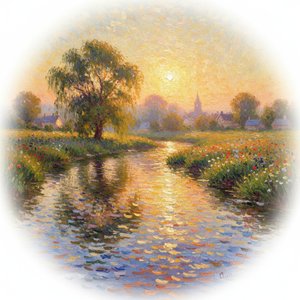
Capturing Light: A Masterclass in the Ethereal Beauty of Impressionistic Landscapes
Explore the ethereal beauty of Impressionist landscapes. Discover how masters like Monet captured fleeting light through color and texture, and learn to curate these timeless, luminous masterpieces for your home collection.

Top 10 impresionistických krajin: Mistrovská díla, která změnila umění | OriginalUniqueArt
Prozkoumejte 10 ikonických impresionistických krajin od Monet, Renoir a dalších. Objevte příběhy umělců, techniky a barevnost tohoto revolučního hnutí. Najděte perfektní obraz pro váš interiér na OriginalUniqueArt.com