

 Náhled v interiéru
 Sdílet
 Sdílet
 Podrobnosti o díle
 Průvodce

 Stáhnout
 Podobné položky
 Rentgenové snímky
 Slideshow
 Statistiky
L'AFFUT


 Zobrazit více
Ručně malovaná olejová reprodukce
Rukou malované olejné plátno v libovolném rozměru i s rámem, vyrobené našimi umělci na zakázku. ( Přepnout na tisk Přepnout na digitální obraz)




P118B Kč10

P118H Kč10

P118W Kč10

P438Z Kč10

P508JH Kč12

P508YH Kč12

P805H Kč10

P805Z Kč10

P919BZ Kč10

P919G Kč10

P919XJ Kč10

P959ZH Kč10

P968JZ Kč12

W106C Kč8

W218G Kč10

W218JH Kč8

W218Y Kč10

W307PJ Kč10

W316G Kč10

W316PJ Kč8

W316Y Kč10

W398PJ Kč8

W4111J Kč10

W500HY Kč15

W500JH Kč15

W692G Kč12

W849H Kč8

W940BG Kč15

W953PJ Kč8




Vyberte si z našich přednastavených velikostí, které odpovídají původním proporcím díla.

Zadejte šířku a výšku, které potřebujete pro váš rám nebo stěnu. Protože se jedná o ruční malbu, při výběru jiného formátu může umělec kolem obrazu domalovat o něco více, nebo jej mírně oříznout — rozhodnete si vy. Před zahájením malby vám zašleme digitální náhled ke schválení. Obraz zobrazený na této stránce neodpovídá skutečnému výsledku — pouze digitální náhled jej zobrazuje.
Po přijetí objednávky vám tým OriginalUniqueArt.com zašle e-mail s pokyny a poskytne náhledovou verzi.
Celosvětová doprava () za 3–4 týdny namísto standardních 5 týdnů. (28 říjen). Bez kompromisů v kvalitě.

Zdarma celosvětová expresní doprava

Vysoce kvalitní lněné plátno

Kompletní pojištění přepravy

Záruka vrácení celního poplatku

Záruka věrného barevného souladu

100dení lhůta pro vrácení zboží (pouze při vadách výroby)

100% záruka vrácení peněz

Sleva při více objednávkách
 Skleněná varianta je dostupná pouze u rozměrů menších než 110 cm

L'AFFUT
Technika reprodukce
Rozměry reprodukce
-


Celková cena za vybrané možnosti reprodukcí
Kč 6971
L'Affût: A Glimpse of Anticipation in Alexandre Decamps’ Romantic Vision
Alexandre Gabriel Decamps’ “L’Affût” (The Ambush) is more than just a depiction of a forest scene; it’s a carefully constructed tableau brimming with latent tension, evocative atmosphere, and the subtle drama characteristic of Romanticism. Painted circa 1847, this oil on canvas offers a compelling window into Decamps' pioneering approach to Orientalist painting – a style he largely defined through his meticulous observation of natural detail combined with a potent narrative sensibility. The artwork immediately draws the viewer in, presenting two figures, seemingly an older man and a younger individual, poised within a dense, shadowed forest, hinting at a moment suspended between observation and potential action. Decamps masterfully utilizes light and shadow to create a palpable sense of mystery, inviting speculation about their purpose and the circumstances surrounding this secluded encounter.
Composition and Technique: A Study in Atmospheric Depth
The composition of “L’Affût” is deliberately asymmetrical, with the figures strategically positioned towards the lower right corner, anchoring the scene while the upper left expanse of the forest canopy dominates. This arrangement immediately establishes a sense of imbalance, mirroring the inherent tension within the artwork. Decamps employs a loose, expressive brushstroke – a hallmark of his style – to render the foliage and trees, creating an illusion of depth through layering and tonal variations. The impasto technique, particularly noticeable in areas representing bark and undergrowth, adds a remarkable tactile quality, inviting the viewer to almost feel the roughness of the natural world beneath their fingertips. Lines are largely implied rather than explicitly drawn; the vertical thrust of tree trunks is subtly countered by the organic curves of branches and foliage, contributing to a feeling of fluidity and movement within the scene.
Color Palette and Symbolism: Earthy Hues and Hidden Meanings
The color palette of “L’Affût” is profoundly earthy – dominated by browns, greens, and muted yellows. These tones are further accentuated by the interplay of light and shadow, creating a dramatic chiaroscuro effect that intensifies the sense of mystery. The strategic use of touches of red—perhaps suggesting blood or danger—adds another layer of symbolic complexity. Decamps’ choice of color isn't merely decorative; it speaks to the primal connection between humanity and nature, reinforcing the painting’s themes of observation, anticipation, and potential confrontation. The title itself, ‘L’Affût,’ directly references a concealed ambush, immediately injecting a narrative element into the scene and prompting questions about the figures’ intentions.
Romanticism and Decamps' Legacy
“L’Affût” is firmly rooted in the Romantic movement, prioritizing emotion, dramatic storytelling, and an appreciation for the sublime power of nature. Decamps’ work stands apart through his intensely personal style—a blend of meticulous observation, dramatic composition, and a captivating narrative quality that drew viewers into worlds both familiar and utterly foreign. His exploration of Orientalist themes, particularly his focus on everyday life and human interaction within exotic landscapes, was revolutionary for its time. As evidenced by the extensive research available through sites like the British Museum and the Louvre, Decamps’ influence extended beyond mere representation; he sought to capture the *feeling* of a place, imbuing it with psychological depth and narrative resonance. Reproductions of “L’Affût” offer a remarkable opportunity to experience this evocative vision firsthand, bringing a touch of Romantic mystery and dramatic tension to any interior space.
For those seeking a high-quality reproduction, OriginalUniqueArt offers meticulously crafted hand-painted reproductions that faithfully capture the essence of Decamps' masterpiece. Explore our selection today and bring the captivating world of “L’Affût” into your home or studio.
Otázky a odpovědi
Jaké místo v tvorbě umělce Alexandr Gabriel Decamps zaujímá dílo "L'AFFUT"?
Dílo „L'AFFUT“ sdílí s ostatními pracemi umělce Alexandr Gabriel Decamps styl období Romanticism a opakující se témata: orientalist visions, romantic drama, eastern landscapes, human figures, stealth, anticipation, danger themes, decamps’ signature style evident.
K kterému umělci je dílo "L'AFFUT" připisováno?
Autorem díla „L'AFFUT“ je Alexandr Gabriel Decamps. Práce je v katalogu uvedena pod jménem Alexandr Gabriel Decamps.
Do které období tvorby Alexandr Gabriel Decamps patří dílo „L'AFFUT“?
„L'AFFUT“ představuje období Mature Period umělce Alexandr Gabriel Decamps.
Biografie umělce
Pionýr orientalistických vizí: Život a umění Alexandre Gabriela Decampsa
Alexandre Gabriel Decamps, jméno rezonující živými odstíny exotických krajin a dramatickým nádechem romantismu, se vyvinul jako klíčová postava francouzského malířství 19. století. Narodil se v Paříži 3. března 1803 a jeho umělecká cesta byla příběhem odvážných inovací, které zpochybňovaly akademické konvence a vytyčovaly cestu k tomu, co se později stalo známé jako orientalismus. Ačkoliv i jeho contemporary, jako byli Delacroix či Ingres, si v rámci francouzského uměleckého světa drželi významné pozice, Decamps se odlišil díky intenzivně osobnímu stylu – směsi precizní pozorování, dramatické kompozice a podmanivé narativní kvality, která diváky vtahovala do světů, jež byly zároveň známé i zcela cizí. Jeho brzké uznání jako talentovaného umělce předznamenalo kariéru poznačenou kritickým uznáním, které vyvrcholilo ziskem velké nebo rady medaile na Pařížské výstavě roku 1855, což byl důkaz jeho výjimečných dovedností a jedinečné vize. Kromě plátna byl Decamps mužem hluboce spojeným s přírodou; nacházel klid a inspiraci v krajině obklopující Paříž, kde se věnoval své vášni pro zvířata a venkovní sporty – k němuž se tato náklonnost jemně promítala do velké části jeho umělecké tvorby.Od Písma k Sahare: Evoluce uměleckého stylu
Decampsův umělecký vývoj byl charakterizován ochotou zkoumat rozmanitá témata a techniky. Počátečně přitahovány historickými a biblickými scénami, rychle se odlišil tím, že tyto příběhy vykresloval s nevídanou úrovní realismu – zasazoval je do autentických místních prostředí namísto spoléhání se na idealizované nebo konvenční reprezentace. Toto odhodlání k věrnosti pramělo z jeho cest na východ, což byly zážitky, které hluboce ovlivnily jeho uměleckou citlivost. Nepředstavoval pouze to, co viděl; dokázal předat pocit z atmosféry, světla a samotné podstaty těchto vzdálených zemí. Josef prodaný svými bratry, například, není pouhou ilustrací biblického příběhu, ale živým vyobrazením konkrétního času a místa, protkaným emocionální hloubkou a psychologickým vhledem. Tento přístup se rozšířil i do jeho větších historických děl, jako je Porážka Cimbrů, kde mistrovsky zachytil chaos a brutalitu bitvy a prokázal svou schopnost pracovat s velkolepými kompozicemi s dynamickou energií. Přesto právě jeho zobrazení orientálního života jej skutečně odlišilo. Odhaloval každodenní scény – trhy, školy, domácí interiéry – s věrností, která zpočátku málem zmátla kritiky zvyklé na více romantizované nebo stereotypní představace.Otec orientalismu a jeho trvalý vliv
Decamps je právem považován za zakladatele orientalismu ve francouzší malířské tradici. Před ním byly zobrazení Orientu často filtrovány optikou fantazie a exotismu. On však představil jinou vizi – kořenící v přímém pozorování a upřímné zvídavosti. Jeho výstava na Salonu v roce 1831 znamenala zlomový bod, který představil pařížskému publiku neupravený pohled na život v severní Africe a na Blízkém východě. Tento průlomový přístup rezonoval jak u umělců, tak u spisovatelů a inspiroval vlnu orientalistických děl, která dominovala velké části umění 19. století. Jeho styl – charakterizovaný odvážnými tahy štětcem, výrazným kontrastem světla a stínu a hmatatelným pocitem atmosféry – se stal referenčním bodem pro generace malířů, fotografů i autorů. Maxime du Camp ho slavně přezdval „Křišťán Columbus Orientu“, čímž uznal jeho průkopnickou roli při otevírání tohoto nového uměleckého území. Dílo Albánská tanečnice, se svými živými barvami a energickou kompozicí, je příkladem jeho schopnosti zachytit ducha kultury při zachování jasně francouzské estetické citlivosti. Dokonce i satirická díla, jako je Opravující opičí znalci, což je hravá špína směřovaná vůči konzervativní porotě Académie des Beaux-Arts, demonstrují jeho ochotu vzdorovat zavedené normy a přijmout nezávislejší uměleckou vizi.Tragický konec a nesmrtelný odkaz
Tragicky byl Decampsův život 22. srpna 1860 ukončen ve věku 57 let po lovné nehodě poblíž Fontainebleau. Jeho předčasná smrt připravila svět umění o skutečně inovativní talent, ale jeho odkaz však žije dál prostřednictvím jeho podmanivých obrazů a jejich nesmrtelné appealace. Dnes jsou mistrovská díla jako Požár v italské vesnici, s jejich dramatickým zobrazením konfliktu a mistrovským použitím impasta, spolu s dílem Bedlín a velbloud odpočívající v poušti, které ukazuje textury a klid poušního života, oslavována pro svou uměleckou hodnotu a historický význam. Jeho díla lze nalézt v prestižních institucích, jako je Musée du Louvre v Paříži, což zajišťuje, že jeho vize bude nadále inspirovat a fascinovat publikum po celém světě. Platformy jako OriginalUniqueArt.com hrají zásadní roli v zachování a šíření jeho umění, nabízejí vysoce kvalitní reprodukce, které umožňují obdivovatelům zažít krásu a sílu Decampsových malířských děl na vlastní oči. Jeho vliv sahá daleko za hranice malířství; formoval vnímání Orientu a zanechal nezmazatelnou stopu v kulturní krajině 19. století Evropy.Objevování Decampsova světa: Významná díla
- CHIENS BRIFAUTS: Okouzlující orientalistická scéna představující psy v živém prostředí.
- LA COUR DE FERME: Úchvatný malířský obraz 19. století, který spojuje francouzský romantismus s historickým detailem.
- L’ÉCOLE TURQUE: Živý popis turecké školy, zachycující energii a atmosféru každodenního života.
- PAYSAGE TURC: Klidná krajina zkoumající realismus a romantismus v evropském kontextu.

Alexandr Gabriel Decamps
1803 - 1860 , Francie
Rychlé informace o umělci
- Artistic Movement Or Style: Orientalismus
- Artists Or Movements Influenced By This Artist: ['Barbizon']
- Artists Who Influenced This Artist:
- Delacroix
- Ingres
- Date Of Birth: 1803
- Full Name: Alexandre Gabriel Decamps
- Nationality: Francouzský
- Notable Artworks:
- CHIENS BRIFAUTS
- LA COUR DE FERME
- L'École Turque
- PAYSAGE TURC
- Place Of Birth: Paříž, Francie
Související články
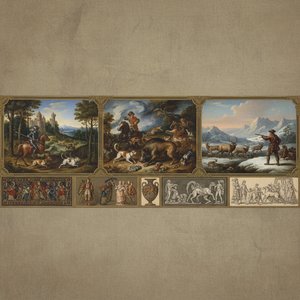
The Pursuit of Power & Prestige: Hunting Scenes in Western Art
Explore the rich history of hunting scenes in Western art, from royal pursuits to powerful allegories. Discover masterpieces & expert insights for discerning collectors. OriginalUniqueArt offers museum-quality reproductions.

Dante Gabriel Rossetti: Top 25 děl a umělecké ikony pro váš domov | OriginalUniqueArt.cz
Prozkoumejte 25 ikonických děl Dante Gabriela Rossettiho – symbolismus, viktoriánský romantismus a krásné ženy v obrazech. Reprodukce obrazů nejvyšší kvality pro váš interiér na OriginalUniqueArt.cz. Objevte celou kolekci online!
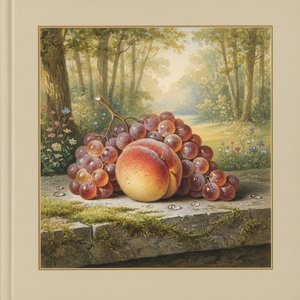
William Henry Hunt: Luminosity & Detail in Early 19th-Century Watercolour Painting
Explore the captivating watercolour paintings of William Henry Hunt (1790-1864). Discover his mastery of naturalistic detail, luminous technique & influence on 19th-century art. Learn about collecting Hunt's work and its enduring value.
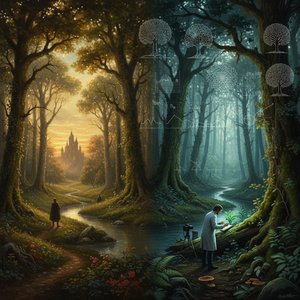
The Enchanted Canopy: Exploring Forests in Art History – From Romantic Idealization to Ecological Consciousness
Explore the rich history of forests in art! Discover Romantic masterpieces by Friedrich & Monet, Symbolist depths, and contemporary visions. Find inspiration & quality reproductions at OriginalUniqueArt.
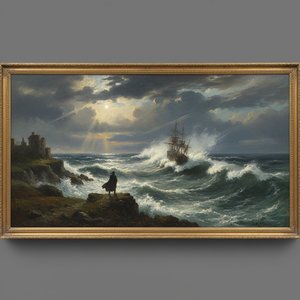
Alexandre Gabriel Decamps: Pioneering Romantic Visions & Challenging Academic Tradition
Explore the captivating world of Alexandre Gabriel Decamps, a pioneer of Romanticism and Orientalism. Discover his bold style, satirical masterpieces like 'The Experts,' and lasting impact on 19th-century art history.


