

 Zobrazit v interiéru
 Odeslat
 Sdílet
 Podrobnosti
 Průvodce

 Stáhnout obrázek
 Podobné kousky
 Rentgenové snímky
 Slideshow
 Statistiky
Fountain


 Přečíst si více
Ručně malovaná olejová reprodukce
Ručně malované olejné plátno v libovolném rozměru i s rámem, vyrobené našimi umělci na zakázku. ( Přepnout na tiskové verze Přepnout na digitální verzi obrazu)




































Vyberte si z našich přednastavených velikostí, které odpovídají původním proporcím díla.

Můžete zadat vlastní rozměry pro konkrétní rám nebo prostor. Pokud se vámi vybraná velikost neshoduje s proporcemi původního obrazu, dílo buď ořízneme, nebo jej doplníme ručně malovanými prvky. Před zahájením výroby vám bude zaslán digitální náhled ke schválení.
Upozorňujeme, že náhled na obrazovce neodpovídá skutečnému ořezu ani rozšíření. Pouze digitální náhled přesně zobrazí finální kompozici.
Ačkoliv je možné zvolit vlastní velikost, pro zachování původních proporcí doporučujeme vybrat rozměr z předdefinovaného seznamu.
Po přijetí objednávky vám tým OriginalUniqueArt.com zašle e-mail s pokyny a poskytne náhledovou verzi.
Celosvětová doprava () za 3–4 týdny namísto standardních 5 týdnů. (25 září). Bez kompromisů v kvalitě.

Zdarma celosvětová expresní doprava

Vysoce kvalitní lněné plátno

Úplné pojištění přepravy

Záruka vrácení celního poplatku

Záruka věrného barevného shodu

100dení lhůta pro vrácení zboží (pouze při vadách výroby)

100% garance vrácení peněz

Sleva při více objednávkách
 Skleněná varianta je dostupná pouze u rozměrů menších než 110 cm

Fountain
Technika provedení
Velikost reprodukce
-


Celková cena
$ 300
Biografie umělce
Early Life and Artistic Beginnings
Alexander Munro, born in 1825, was a Scottish sculptor who carved a unique path within the Victorian art world, deeply entwined with the burgeoning Pre-Raphaelite movement. Though often overshadowed by his more famous contemporaries, Munro’s work possesses a haunting beauty and technical skill that deserves wider recognition. His early life provided a solid foundation for his artistic pursuits; he initially trained under his father, a stonemason, gaining practical experience in handling materials before formally studying at the Royal Academy Schools in London. This grounding in traditional techniques would prove crucial as he later embraced more experimental forms and subject matter. While many sculptors of the time focused on grand historical or mythological narratives, Munro’s interests lay elsewhere – in intimate moments, literary themes, and a profound exploration of human emotion. He wasn't merely replicating form; he was striving to capture *feeling* within stone and bronze.The Rossetti Connection and ‘Paolo & Francesca’
Munro’s artistic trajectory took a pivotal turn through his association with Dante Gabriel Rossetti and the Pre-Raphaelite Brotherhood. He became intimately involved in their circle, not only as an artist but also as a friend and confidant. This connection is most powerfully manifested in his sculpture ‘Paolo & Francesca’, based on the tragic lovers from Dante Alighieri’s *Inferno*. The work, commissioned by Rossetti himself, depicts Paolo and Francesca embracing in the throes of their doomed passion. It's not simply a representation of a literary scene; it is an embodiment of Pre-Raphaelite ideals – intense emotion, meticulous detail, and a rejection of academic convention. The sculpture’s power lies in its palpable sense of intimacy and despair. Rossetti was deeply affected by the story of Paolo and Francesca, and Munro's rendering perfectly captured the poet’s vision of tragic love. The commission marked a high point in Munro’s career and solidified his reputation as a sculptor capable of conveying complex psychological states.Development of Style and Subject Matter
Throughout the 1850s and 60s, Munro continued to develop a distinctive style characterized by its delicate modeling, expressive faces, and often melancholic tone. He moved away from purely classical forms, embracing a more naturalistic approach that emphasized individual character and emotional nuance. While ‘Paolo & Francesca’ remains his most celebrated work, he produced a diverse body of sculpture including portrait busts, allegorical figures, and smaller-scale works exploring themes of love, loss, and mortality. His portraits, in particular, are notable for their psychological depth and sensitivity. He wasn't interested in idealizing his sitters; instead, he sought to capture their inner lives, revealing vulnerabilities and complexities beneath the surface. This focus on interiority set him apart from many of his contemporaries who favored more conventional representations of power and status.Later Years and Historical Significance
The latter part of Munro’s life was marked by periods of financial hardship and artistic frustration. Despite receiving commissions for public monuments, he struggled to achieve the widespread recognition he deserved. He died in 1871, leaving behind a body of work that, while not extensive, is rich in emotional resonance and technical accomplishment. His historical significance lies in his role as a bridge between traditional sculpture and the emerging aesthetic principles of the Pre-Raphaelites.- He demonstrated how classical techniques could be adapted to convey modern sensibilities.
- His exploration of literary themes paved the way for other sculptors to engage with narrative subject matter.
- His focus on psychological realism anticipated developments in 20th-century sculpture.

alexander munro
1825 - 1871
Rychlé informace
- Artistic Movement Or Style: Pre-Raphaelite Sculpture
- Artists Or Movements Influenced By This Artist: ['Romantic Sculpture']
- Artists Who Influenced This Artist:
- William Holman Hunt
- John Everett Millais
- Date Of Birth: 1825
- Date Of Death: 1871
- Full Name: Alexander Munro
- Nationality: British
- Notable Artworks:
- Paolo & Francesca
- Boy And Dolphin In The Rose Garden
- Place Of Birth: Scotland
Související články

10 legendárních bronzových soch, které změnily umění | OriginalUniqueArt
Objevte 10 legendárních bronzových soch od Michelangela, Rodina a dalších mistrů! Ponořte se do historie umění, technik a příběhů za těmito nadčasovými díly. Najděte inspiraci pro váš interiér s OriginalUniqueArt.com – repliky nejvyšší kvality.
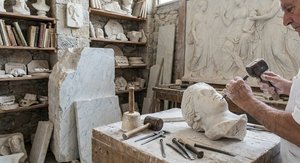
The Enduring Legacy of Marble: A Comprehensive Exploration of Technique, Symbolism & Artistic Expression
Explore the rich history of marble sculpture from antiquity to the Renaissance! Discover key techniques, influential artists & enduring themes in classical art. Expert insights for collectors and enthusiasts at OriginalUniqueArt.
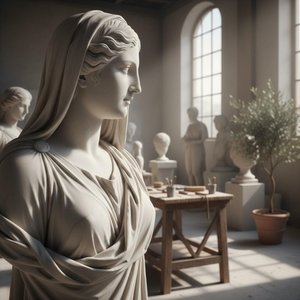
Timeless Elegance: A Complete Guide to the Sublime Beauty and Artistry of Marble Sculpture
Discover the sublime beauty of marble art through an expert exploration of Renaissance and Neoclassical masterpieces. From the delicate textures of Carpeaux to the grandeur of Sansovino, immerse yourself in a guide to timeless elegance and sculptural perfection.

The Enduring Allure of Marble in Art History: From Classical Sculpture to Modern Abstraction
Explore the captivating history of marble sculpture from ancient Greece to modern art. Discover renowned artists like Canova & Michelangelo, carving techniques, and investment insights at OriginalUniqueArt.
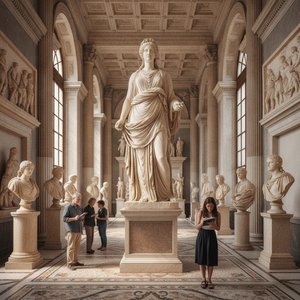
Timeless Grandeur: Exploring the Eternal Beauty and Art-Historical Legacy of Marble Sculpture
Explore the profound legacy of marble sculpture, from Classical antiquity to Neoclassical mastery. A definitive guide for elite collectors and designers seeking to integrate the luminous, eternal beauty of stone into sophisticated, high-end architectural spaces.