

 Zobrazit v interiéru
 Odeslat
 Sdílet
 Podrobnosti
 Průvodce

 Stáhnout obrázek
 Podobné kousky
 Rentgenové snímky
 Slideshow
 Statistiky
Nemo


 Přečíst si více
Umělecké dílo zobrazené na této stránce je chráněno autorským zákonem, což znamená, že nemůžeme legálně vytvářet ani prodávat jeho identickou reprodukci. Tato ochrana je vymáhána na základě mezinárodních dohod, jako například Berberská úmluva a národními zákony, včetně těch stanovených v Americký autorský zákon – Díl 17. Všechna práva vyhrazena.
Tato metoda je plně v souladu s autorským právem, protože nezahrnuje kopírování ani duplikování chráněného díla. Jde o kreativní reinterpretaci – nový obraz, který je inspirován originálem, ale není s ním identický.
Giclée / Umělecký tisk
Giclée nebo plátěný tisk muzeální kvality s rychlou výrobou a širokou nabídkou povrchových úprav. ( Objednat ručně malovanou reprodukci Přepnout na digitální verzi obrazu)




P118B Kč10

P118H Kč10

P118W Kč10

P438Z Kč10

P508JH Kč12

P508YH Kč12

P805H Kč10

P805Z Kč10

P919BZ Kč10

P919G Kč10

P919XJ Kč10

P959ZH Kč10

P968JZ Kč12

W106C Kč8

W218G Kč10

W218JH Kč8

W218Y Kč10

W307PJ Kč10

W316G Kč10

W316PJ Kč8

W316Y Kč10

W398PJ Kč8

W4111J Kč10

W500HY Kč15

W500JH Kč15

W692G Kč12

W849H Kč8

W940BG Kč15

W953PJ Kč8




Vyberte si z našich přednastavených velikostí, které odpovídají původním proporcím díla.

Zadejte šířku a výšku, které potřebujete pro váš rám nebo stěnu. Tisk lze pouze oříznout, nikdy však nelze zvětšit obraz nad jeho původní rozměr, proto při výběru jiného formátu dochází ke ztrátě části obrazu. Před samotným tiskem vám zašleme digitální náhled k schválení. Obraz zobrazený na této stránce nenabízí skutečný výřez — ten uvidíte pouze v náhledu.
Celosvětové doručení () do 2 týdnů namísto standardních 4/5 týdnů. (22 říjen)

Zdarma celosvětová expresní doprava

Vysoce kvalitní lněné plátno

Úplné pojištění přepravy

Záruka vrácení celního poplatku

Záruka věrného barevného shodu

100dení lhůta pro vrácení zboží (pouze při vadách výroby)

100% garance vrácení peněz

Sleva při více objednávkách
 Skleněná varianta je dostupná pouze u rozměrů menších než 110 cm

Nemo
Giclée / Umělecký tisk
Velikost reprodukce
-


Celková cena
Kč 1713
Nemo – A Symphony of Geometric Form and Chance
Alexander Milne Calder’s “Nemo” stands as a testament to the enduring fascination with abstraction—a captivating exploration of color, shape, and movement that transcends mere visual representation. Created in 1947, this striking piece embodies Calder's signature approach: eschewing realism for a deliberate embrace of spontaneity and serendipity, mirroring the very essence of his celebrated mobiles.
The Visual Language of Equilibrium
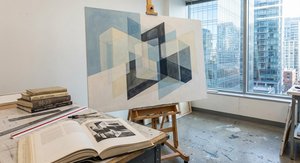
Dominating the canvas is an intricate composition featuring overlapping circles and squares—a bold declaration of geometric principles. The palette bursts with vibrant hues—primarily reds, yellows, and blues—that harmonize to create a dynamic visual experience. Calder meticulously crafted these shapes using a flat painting technique, prioritizing form over texture; there’s no visible brushwork, reflecting his unwavering commitment to precision and control despite the illusion of movement.
A Reflection of Constructivism's Legacy
“Nemo” firmly roots itself within the influential Constructivist movement of the early 20th century. Like its contemporaries—artists who sought to liberate art from traditional conventions—Calder aimed to convey emotion and ideas through simplified geometric forms, rejecting decorative embellishments in favor of intellectual rigor. This stylistic choice underscores Calder’s belief that art should communicate directly with the viewer's intellect as well as their senses.
Symbolism Embedded in Motionless Form
Despite its apparent stillness, “Nemo” pulsates with an underlying sense of dynamism—a subtle suggestion of movement achieved through the careful arrangement of shapes and colors. Calder’s genius lies in transforming static form into a conduit for conveying emotion; the overlapping circles and squares evoke feelings of balance, harmony, and perhaps even controlled chaos. The artist deliberately avoided explicit symbolism, allowing viewers to interpret the artwork's impact on their own emotional landscape.
A Monumental Contribution to Modern Art
Alexander Milne Calder’s “Nemo” represents more than just a beautiful painting—it embodies a pivotal moment in artistic history. His pioneering exploration of kinetic sculpture and his unwavering dedication to geometric abstraction paved the way for subsequent generations of artists, establishing him as one of the most influential sculptors of the 20th century. This artwork continues to inspire admiration for its elegance, innovation, and profound engagement with fundamental principles of visual art.
Otázky a odpovědi
Do kterého směru a do jaké éry spadá dílo „Nemo“ od Alexander Calder?
V díle „Nemo“ od Alexander Calder se setkává směr Modernism s érou Modernismus.
Jak silný je kontrast v díle „Nemo“ od Alexander Calder?
Úroveň kontrastu díla „Nemo“ od Alexander Calder je Statement.
Které muzeum uchovává originál díla "Nemo"?
Originál díla „Nemo“ si můžete prohlédnout v instituci Biennale Internazionale dell'Antiquariato di Firenze, Florencie, Itálie.
Biografie umělce
Introduction to Alexander Milne Calder
Alexander Milne Calder (August 23, 1846 – June 14, 1923) was a Scottish-American sculptor renowned for architectural masterpieces like Philadelphia City Hall. His legacy extends beyond his own work, as both his son and grandson became prominent sculptors in the 20th century. Calder’s artistic journey began in Aberdeen, Scotland, where he honed his craft under the tutelage of his father, a stonemason—a profession that instilled in him a lifelong appreciation for material and form. He pursued formal education at the Royal Academy in Edinburgh, immersing himself in classical sculpture traditions before venturing into London's vibrant art scene.- Early Life and Education:
- Born August 23, 1846, Aberdeen, Scotland
- Attended Royal Academy in Edinburgh
- Studied with John Rhind (sculptor)
Career Highlights
Calder’s professional life unfolded during a period of significant artistic innovation. He gained invaluable experience collaborating on monumental sculptures for Philadelphia City Hall—a project that demanded meticulous planning and execution over two decades. This ambitious undertaking cemented his reputation as a visionary architect and sculptor, pushing the boundaries of conventional design. Notably, he created William Penn, a colossal bronze statue commemorating Pennsylvania’s founding father, demonstrating his mastery of large-scale sculptural techniques. Furthermore, Calder's fascination with kinetic art culminated in the creation of *Indian Figure*, a striking sculpture that embodies movement and dynamism—a precursor to his groundbreaking mobiles.- Philadelphia City Hall:
- Commissioned project requiring 250 pieces in marble and bronze
Influence and Legacy
Alexander Stirling Calder (1898–1976), Calder's son, carried forward his father’s artistic spirit, establishing himself as a celebrated sculptor in his own right. Similarly, Alexander “Sandy” Calder—Calder’s grandson—became a respected artist known for his innovative approach to sculpture and installation art. Calder’s influence resonated throughout the 20th century, shaping movements like Abstract Expressionism and inspiring generations of artists to explore new forms of artistic expression. His enduring contribution to modern art is commemorated in museums worldwide, ensuring that Calder's vision continues to captivate audiences and inspire creativity.- Alexander Stirling Calder:
- Sculptor who followed in his father’s footsteps
- Philadelphia City Hall:
- Commissioned project showcasing architectural innovation

Alexander Calder
1898 - 1976 , Skotsko
Rychlé informace
- Artistic Movement Or Style: Architectural sculpture
- Artists Who Influenced This Artist: ['John Rhind']
- Date Of Birth: August 23, 1846
- Date Of Death: June 14, 1923
- Full Name: Alexander Milne Calder
- Nationality: Scottish-American
- Notable Artworks:
- Philadelphia City Hall
- William Penn statue
- Place Of Birth: Aberdeen, Scotland
Související články

Beyond Form & Color: Geometric Abstraction's Evolution in 20th/21st Century Art
Explore the evolution of geometric abstraction from Cubism to contemporary art. Discover key artists like Malevich & Mondrian, investment insights, and expert collecting advice at OriginalUniqueArt.

Neo-Abstract Art: The High-Impact Evolution of Modern Visual Energy and Geometric Sophistication
Discover the power of Neo-Abstract art. Explore how bold geometric forms and high-impact visual energy are redefining modern design. Learn to curate sophisticated, high-energy spaces with the latest trends in contemporary abstraction and structural color.
Beyond Form & Color: Geometric Abstraction's Enduring Legacy in Art History
Explore the captivating world of geometric abstraction! Discover its origins, key artists like Malevich & Mondrian, and why this movement remains highly valued by art collectors today. Expert insights at OriginalUniqueArt.

Wassily Kandinsky: Top 25 mistrovských děl abstrakce pro váš interiér | OriginalUniqueArt.com
Prozkoumejte 25 ikonických děl Wassily Kandinského – průkopníka abstraktního umění a expresionismu. Objevte příběhy za barevnými kompozicemi, Bauhaus styl a inspirujte se pro váš interiér s reprodukcemi nejvyšší kvality na OriginalUniqueArt.com.

Geometrická abstrakce: 10 mistrovských děl, které změnily umění | OriginalUniqueArt.cz
Prozkoumejte 10 ikonických děl geometrické abstrakce od Mondriana, Maleviče a Kandinského. Objevte příběhy umělců, techniky a historii tohoto revolučního hnutí. Najděte inspiraci pro moderní dekorace a luxusní reprodukce obrazů na OriginalUniqueArt.com.
