

 Náhled v interiéru
 Sdílet
 Sdílet
 Podrobnosti o díle
 Průvodce

 Stáhnout
 Podobné položky
 Rentgenové snímky
 Slideshow
 Statistiky
Crosshatch

 Zobrazit více
Umělecké dílo zobrazené na této stránce je chráněno autorským zákonem, což znamená, že nemůžeme legálně vytvářet ani prodávat jeho identickou reprodukci. Tato ochrana je vymáhána na základě mezinárodních dohod, jako například Berberská úmluva a národními zákony, včetně těch stanovených v Americký autorský zákon – Díl 17. Všechna práva vyhrazena.
Jako etická a právní alternativa nabízíme vlastní, ručně malovaná umělecká díla inspirovaná originálem. Naši zdatní a profesionální umělci si pečlivě studují styl, náladu a uměleckou podstatu originálu, aby vytvořili nové, jedinečné dílo, které vyvolává stejný pocit – přičemž zůstává samostatným originálním tvůrčím dílem.
Tato metoda je plně v souladu s autorským právem, protože nezahrnuje kopírování ani duplikování chráněného díla. Jde o kreativní reinterpretaci – nový obraz, který je inspirován originálem, ale není s ním identický.
Ručně malovaná olejová reprodukce
Rukou malované olejné plátno v libovolném rozměru i s rámem, vyrobené našimi umělci na zakázku. ( Přepnout na tisk Přepnout na digitální obraz)




































Vyberte si z našich přednastavených velikostí, které odpovídají původním proporcím díla.

Zadejte šířku a výšku, které potřebujete pro váš rám nebo stěnu. Protože se jedná o ruční malbu, při výběru jiného formátu může umělec kolem obrazu domalovat o něco více, nebo jej mírně oříznout — rozhodnete si vy. Před zahájením malby vám zašleme digitální náhled ke schválení. Obraz zobrazený na této stránce neodpovídá skutečnému výsledku — pouze digitální náhled jej zobrazuje.
Po přijetí objednávky vám tým OriginalUniqueArt.com zašle e-mail s pokyny a poskytne náhledovou verzi.
Celosvětová doprava () za 3–4 týdny namísto standardních 5 týdnů. (28 říjen). Bez kompromisů v kvalitě.

Zdarma celosvětová expresní doprava

Vysoce kvalitní lněné plátno

Kompletní pojištění přepravy

Záruka vrácení celního poplatku

Záruka věrného barevného souladu

100dení lhůta pro vrácení zboží (pouze při vadách výroby)

100% záruka vrácení peněz

Sleva při více objednávkách
 Skleněná varianta je dostupná pouze u rozměrů menších než 110 cm

Crosshatch
Technika reprodukce
Rozměry reprodukce
-


Celková cena za vybrané možnosti reprodukcí
Kč 6435
A Striking Encounter: "Crosshatch" by Alexander Milne Calder
This captivating painting, currently residing within the esteemed Smithsonian American Art Museum, presents a unique and visually arresting depiction of two birds perched atop one another. Rendered in a striking palette of red, yellow, and black, these aren't your typical feathered creatures; they possess an almost industrial aesthetic, appearing to be constructed from wire or metal. This unconventional material choice immediately elevates the work beyond simple representation, hinting at a deeper exploration of form, texture, and artistic interpretation. The birds’ beaks gently touching creates a sense of intimacy and connection despite their seemingly rigid construction.Style & Technique: Bridging Realism and Abstraction
Alexander Milne Calder's style in "Crosshatch" demonstrates a fascinating bridge between realism and abstraction. While the subject matter – birds – is readily identifiable, the execution deviates significantly from traditional naturalistic painting. The use of bold colors and the implied materiality (wire or metal) suggest an influence of early modernism, particularly movements exploring industrial aesthetics and geometric forms. The technique itself remains somewhat enigmatic without further documentation; however, the sharp contrasts in color and the defined lines likely contribute to the overall sense of structure and deliberate design. It’s a testament to Calder's ability to transform familiar subjects into compelling artistic statements.Historical Context & The Calder Legacy
Born in Aberdeen, Scotland in 1898, Alexander Milne Calder established himself as a significant sculptor, particularly known for his architectural contributions to Philadelphia City Hall. "Crosshatch," though seemingly simple, reflects the burgeoning artistic experimentation of the early 20th century. Importantly, it places this work within a remarkable family legacy: both his son, Alexander Stirling Calder, and grandson, Alexander "Sandy" Calder, achieved international acclaim as sculptors, notably for their kinetic sculptures. Understanding this familial context highlights the enduring influence of artistic exploration passed down through generations, demonstrating a shared commitment to innovative form and challenging conventional representation. The painting’s presence in the Smithsonian American Art Museum further underscores its historical and cultural importance within the landscape of American art.Symbolism & Emotional Impact
The symbolism inherent in "Crosshatch" is open to interpretation, adding layers of intrigue for the viewer. The birds themselves often represent freedom, communication, or even spiritual connection. Their metallic appearance could symbolize the intersection of nature and industry, reflecting the rapid technological advancements of Calder’s time. The act of perching atop one another, beaks touching, suggests interdependence, harmony, or perhaps a quiet moment of shared existence. Emotionally, the painting evokes a sense of both strength and fragility – the birds are robust in their construction yet possess an undeniable vulnerability. It's a work that invites contemplation on themes of connection, resilience, and the beauty found within unexpected forms.Otázky a odpovědi
Mohu si prohlédnout „Crosshatch“ od Alexander Calder pod jiným osvětlením?
X-ray pohled na dílo „Crosshatch“ od Alexander Calder naleznete na stránce Rentgenové snímky: jde o interaktivní prohlídku obrazu skrze jedenáct optických vrstev.
Jak se v díle „Crosshatch“ od Alexander Calder propojují umělecký směr a doba?
Dílo "Crosshatch" patří k období Abstract Expressionism, jehož tvůrce působil v éře Modernismus.
Kde mohu najít statistiky k dílu „Crosshatch“ od Alexander Calder?
Pro dílo „Crosshatch“ je k dispozici stránka Statistiky. Zobrazuje měsíční počet návštěv tohoto díla i dalších děl daného umělce s rozpadem podle zemí a jazyků.
Biografie umělce
Introduction to Alexander Milne Calder
Alexander Milne Calder (August 23, 1846 – June 14, 1923) was a Scottish-American sculptor renowned for architectural masterpieces like Philadelphia City Hall. His legacy extends beyond his own work, as both his son and grandson became prominent sculptors in the 20th century. Calder’s artistic journey began in Aberdeen, Scotland, where he honed his craft under the tutelage of his father, a stonemason—a profession that instilled in him a lifelong appreciation for material and form. He pursued formal education at the Royal Academy in Edinburgh, immersing himself in classical sculpture traditions before venturing into London's vibrant art scene.- Early Life and Education:
- Born August 23, 1846, Aberdeen, Scotland
- Attended Royal Academy in Edinburgh
- Studied with John Rhind (sculptor)
Career Highlights
Calder’s professional life unfolded during a period of significant artistic innovation. He gained invaluable experience collaborating on monumental sculptures for Philadelphia City Hall—a project that demanded meticulous planning and execution over two decades. This ambitious undertaking cemented his reputation as a visionary architect and sculptor, pushing the boundaries of conventional design. Notably, he created William Penn, a colossal bronze statue commemorating Pennsylvania’s founding father, demonstrating his mastery of large-scale sculptural techniques. Furthermore, Calder's fascination with kinetic art culminated in the creation of *Indian Figure*, a striking sculpture that embodies movement and dynamism—a precursor to his groundbreaking mobiles.- Philadelphia City Hall:
- Commissioned project requiring 250 pieces in marble and bronze
Influence and Legacy
Alexander Stirling Calder (1898–1976), Calder's son, carried forward his father’s artistic spirit, establishing himself as a celebrated sculptor in his own right. Similarly, Alexander “Sandy” Calder—Calder’s grandson—became a respected artist known for his innovative approach to sculpture and installation art. Calder’s influence resonated throughout the 20th century, shaping movements like Abstract Expressionism and inspiring generations of artists to explore new forms of artistic expression. His enduring contribution to modern art is commemorated in museums worldwide, ensuring that Calder's vision continues to captivate audiences and inspire creativity.- Alexander Stirling Calder:
- Sculptor who followed in his father’s footsteps
- Philadelphia City Hall:
- Commissioned project showcasing architectural innovation

Alexander Calder
1898 - 1976 , Skotsko
Rychlé informace o umělci
- Artistic Movement Or Style: Architectural sculpture
- Artists Who Influenced This Artist: ['John Rhind']
- Date Of Birth: August 23, 1846
- Date Of Death: June 14, 1923
- Full Name: Alexander Milne Calder
- Nationality: Scottish-American
- Notable Artworks:
- Philadelphia City Hall
- William Penn statue
- Place Of Birth: Aberdeen, Scotland
Související články

The Enduring Form: Sculpture Across History, Technique & Emotional Resonance
Explore the rich history of sculpture with OriginalUniqueArt. Discover key techniques, influential artists & investment potential for discerning collectors. Expert insights into valuing and collecting timeless masterpieces.

The Enduring Form: Exploring Themes & Techniques in Sculpture Across Historical Periods
Explore the rich history of sculpture from ancient masterpieces to contemporary innovations. Discover key techniques, influential artists & investment potential for discerning art collectors.
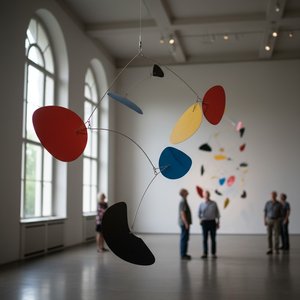
Alexander Calder: Kinetic Sculpture, Mobile Art & the Poetics of Chance
Explore the revolutionary world of Alexander Calder's kinetic sculptures & mobiles. Discover insights for collectors, acquisition advice, and the enduring legacy of this modern master. Expert analysis & art valuation.

10 legendárních bronzových mistrovských děl, která změnila umění | OriginalUniqueArt
Objevte 10 legendárních bronzových mistrovských děl od Rodina, Donatella a dalších. Ponořte se do historie umění a nechte se inspirovat nadčasovými sochařskými replikami pro váš interiér. Prozkoumejte celou kolekci online na OriginalUniqueArt.com!

10 legendárních bronzových soch, které změnily umění | OriginalUniqueArt
Objevte 10 legendárních bronzových soch od Michelangela, Rodina a dalších mistrů! Ponořte se do historie umění, technik a příběhů za těmito nadčasovými díly. Najděte inspiraci pro váš interiér s OriginalUniqueArt.com – repliky nejvyšší kvality.
