

 Zobrazit v interiéru
 Odeslat
 Sdílet
 Podrobnosti
 Průvodce

 Stáhnout obrázek
 Podobné kousky
 Rentgenové snímky
 Slideshow
 Statistiky
Calder's Circus


 Přečíst si více
Umělecké dílo zobrazené na této stránce je chráněno autorským zákonem, což znamená, že nemůžeme legálně vytvářet ani prodávat jeho identickou reprodukci. Tato ochrana je vymáhána na základě mezinárodních dohod, jako například Berberská úmluva a národními zákony, včetně těch stanovených v Americký autorský zákon – Díl 17. Všechna práva vyhrazena.
Tato metoda je plně v souladu s autorským právem, protože nezahrnuje kopírování ani duplikování chráněného díla. Jde o kreativní reinterpretaci – nový obraz, který je inspirován originálem, ale není s ním identický.
Giclée / Umělecký tisk
Giclée nebo plátěný tisk muzeální kvality s rychlou výrobou a širokou nabídkou povrchových úprav. ( Objednat ručně malovanou reprodukci Přepnout na digitální verzi obrazu)




P118B Kč10

P118H Kč10

P118W Kč10

P438Z Kč10

P508JH Kč12

P508YH Kč12

P805H Kč10

P805Z Kč10

P919BZ Kč10

P919G Kč10

P919XJ Kč10

P959ZH Kč10

P968JZ Kč12

W106C Kč8

W218G Kč10

W218JH Kč8

W218Y Kč10

W307PJ Kč10

W316G Kč10

W316PJ Kč8

W316Y Kč10

W398PJ Kč8

W4111J Kč10

W500HY Kč15

W500JH Kč15

W692G Kč12

W849H Kč8

W940BG Kč15

W953PJ Kč8




Vyberte si z našich přednastavených velikostí, které odpovídají původním proporcím díla.

Type the width and the height you need, to fit your frame or your wall. A print can only be cut, never made bigger than the picture, so a size with a different shape loses a part of the image. We send you a digital mockup to approve before we print anything. The picture shown on this page does not show the real cut — only the mockup does.
Celosvětové doručení () do 2 týdnů namísto standardních 4/5 týdnů. (14 říjen)

Zdarma celosvětová expresní doprava

Vysoce kvalitní lněné plátno

Úplné pojištění přepravy

Záruka vrácení celního poplatku

Záruka věrného barevného shodu

100dení lhůta pro vrácení zboží (pouze při vadách výroby)

100% garance vrácení peněz

Sleva při více objednávkách
 Skleněná varianta je dostupná pouze u rozměrů menších než 110 cm

Calder's Circus
Giclée / Umělecký tisk
Velikost reprodukce
-


Celková cena
Kč 1685
Alexander Milne Calder's Miniature Circus: A Testament to Precision and Play
Alexander Milne Calder’s “Calder’s Circus,” created in 1931, is more than just a charming miniature scene; it’s a meticulously crafted meditation on movement, spectacle, and the enduring allure of childhood dreams. Born in Aberdeen, Scotland, in 1898, Calder’s journey from architectural sculpture to the creation of these intricate tabletop worlds reveals a lifelong fascination with balance, form, and the expressive potential of space. This particular piece, a testament to his burgeoning skill and artistic vision, captures the vibrant energy of a circus performance within a remarkably compact scale.
The photograph itself presents a world meticulously rendered in miniature. The central circus ring, a three-tiered stage for fantastical acts, immediately draws the eye. Each performer – acrobats poised on ropes, a figure balancing with breathtaking poise, and perhaps even a clown amidst the organized chaos – is imbued with a sense of dynamic action frozen in time. Calder’s genius lies not just in depicting these figures but in conveying their movement through subtle shifts in posture and the carefully considered placement of each element. The dark background serves to amplify the richness of the colors employed, creating a dramatic contrast that enhances the visual impact.
Technique and Materials: A Masterclass in Miniature
Calder’s technique is characterized by an almost obsessive attention to detail. The craftsmanship displayed here is extraordinary, utilizing a variety of materials and textures to achieve remarkable depth within the miniature world. Notice the varied patterns and colors of the performers' costumes – each suggesting a distinct character or act, inviting the viewer to imagine the unfolding spectacle. The flooring, rendered in a realistic wooden texture, contrasts beautifully with the smooth finish of the ropes and banners, further emphasizing the tactile quality of the piece. This careful manipulation of materials speaks to Calder’s dedication to realism within his abstract forms.
The use of bold lettering – “CIRCUS” emblazoned across the flags – adds a layer of theatricality, reinforcing the theme of performance and spectacle. The placement of these banners, along with the surrounding poles, contributes to the overall sense of organized chaos that defines a circus environment. It’s clear Calder wasn't simply replicating a scene; he was constructing an illusion, a carefully orchestrated representation of a beloved tradition.
Symbolism and Historical Context
"Calder’s Circus" reflects the broader artistic trends of the early 20th century, particularly the rise of Surrealism and Dadaism. While Calder wouldn't be formally associated with these movements, his work shares their emphasis on playful distortion, dreamlike imagery, and a rejection of traditional representational norms. The circus itself has long been a potent symbol – representing escape, illusion, and the triumph of imagination over reality. Created in 1931, during the Great Depression, this piece may also be interpreted as a nostalgic yearning for simpler times and a celebration of human ingenuity and entertainment.
This miniature circus is a captivating example of Alexander Milne Calder’s artistic talent and his ability to transform everyday subjects into extraordinary works of art. A hand-painted reproduction offers an unparalleled opportunity to bring this intricate scene into your home, adding a touch of whimsy, elegance, and historical significance to any interior space.
Otázky a odpovědi
Jaké místo si v dějinách umění zaujímá „Calder's Circus“ od Alexander Calder?
Uměleckohistorická klasifikace díla „Calder's Circus“ od Alexander Calder spadá do směru Kinetic Sculpture v období 19th Century.
Jaký pocit vyvolává "Calder's Circus" jako dárek?
Joyful nádech díla „Calder's Circus“ od Alexander Calder odpovídá i jeho doporučenému příležitosti k darování: Birthday.
Kdo je autorem a z jakého roku pochází dílo "Calder's Circus"?
Autorem díla „Calder's Circus“ je Alexander Calder a dílo pochází z roku 1931.
Biografie umělce
Introduction to Alexander Milne Calder
Alexander Milne Calder (August 23, 1846 – June 14, 1923) was a Scottish-American sculptor renowned for architectural masterpieces like Philadelphia City Hall. His legacy extends beyond his own work, as both his son and grandson became prominent sculptors in the 20th century. Calder’s artistic journey began in Aberdeen, Scotland, where he honed his craft under the tutelage of his father, a stonemason—a profession that instilled in him a lifelong appreciation for material and form. He pursued formal education at the Royal Academy in Edinburgh, immersing himself in classical sculpture traditions before venturing into London's vibrant art scene.- Early Life and Education:
- Born August 23, 1846, Aberdeen, Scotland
- Attended Royal Academy in Edinburgh
- Studied with John Rhind (sculptor)
Career Highlights
Calder’s professional life unfolded during a period of significant artistic innovation. He gained invaluable experience collaborating on monumental sculptures for Philadelphia City Hall—a project that demanded meticulous planning and execution over two decades. This ambitious undertaking cemented his reputation as a visionary architect and sculptor, pushing the boundaries of conventional design. Notably, he created William Penn, a colossal bronze statue commemorating Pennsylvania’s founding father, demonstrating his mastery of large-scale sculptural techniques. Furthermore, Calder's fascination with kinetic art culminated in the creation of *Indian Figure*, a striking sculpture that embodies movement and dynamism—a precursor to his groundbreaking mobiles.- Philadelphia City Hall:
- Commissioned project requiring 250 pieces in marble and bronze
Influence and Legacy
Alexander Stirling Calder (1898–1976), Calder's son, carried forward his father’s artistic spirit, establishing himself as a celebrated sculptor in his own right. Similarly, Alexander “Sandy” Calder—Calder’s grandson—became a respected artist known for his innovative approach to sculpture and installation art. Calder’s influence resonated throughout the 20th century, shaping movements like Abstract Expressionism and inspiring generations of artists to explore new forms of artistic expression. His enduring contribution to modern art is commemorated in museums worldwide, ensuring that Calder's vision continues to captivate audiences and inspire creativity.- Alexander Stirling Calder:
- Sculptor who followed in his father’s footsteps
- Philadelphia City Hall:
- Commissioned project showcasing architectural innovation

Alexander Calder
1898 - 1976 , Skotsko
Rychlé informace
- Artistic Movement Or Style: Architectural sculpture
- Artists Who Influenced This Artist: ['John Rhind']
- Date Of Birth: August 23, 1846
- Date Of Death: June 14, 1923
- Full Name: Alexander Milne Calder
- Nationality: Scottish-American
- Notable Artworks:
- Philadelphia City Hall
- William Penn statue
- Place Of Birth: Aberdeen, Scotland
Související články

10 legendárních bronzových soch, které změnily umění | OriginalUniqueArt
Objevte 10 legendárních bronzových soch od Michelangela, Rodina a dalších mistrů! Ponořte se do historie umění, technik a příběhů za těmito nadčasovými díly. Najděte inspiraci pro váš interiér s OriginalUniqueArt.com – repliky nejvyšší kvality.
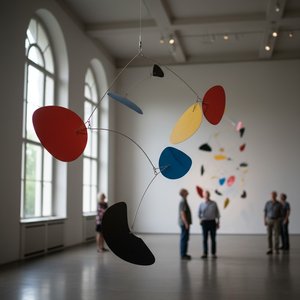
Alexander Calder: Kinetic Sculpture, Mobile Art & the Poetics of Chance
Explore the revolutionary world of Alexander Calder's kinetic sculptures & mobiles. Discover insights for collectors, acquisition advice, and the enduring legacy of this modern master. Expert analysis & art valuation.

The Enduring Form: Sculpture Across History, Technique & Emotional Resonance
Explore the rich history of sculpture with OriginalUniqueArt. Discover key techniques, influential artists & investment potential for discerning collectors. Expert insights into valuing and collecting timeless masterpieces.

The Enduring Form: Exploring Themes & Techniques in Sculpture Across Historical Periods
Explore the rich history of sculpture from ancient masterpieces to contemporary innovations. Discover key techniques, influential artists & investment potential for discerning art collectors.

10 legendárních bronzových mistrovských děl, která změnila umění | OriginalUniqueArt
Objevte 10 legendárních bronzových mistrovských děl od Rodina, Donatella a dalších. Ponořte se do historie umění a nechte se inspirovat nadčasovými sochařskými replikami pro váš interiér. Prozkoumejte celou kolekci online na OriginalUniqueArt.com!
