Zobrazit v interiéru
 Odeslat
 Sdílet
 Podrobnosti
 Průvodce

 Stáhnout obrázek
 Podobné kousky
 Rentgenové snímky
 Slideshow
 Statistiky
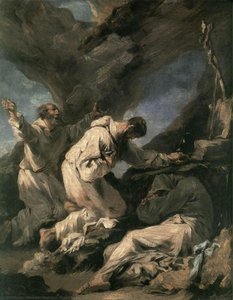
Christ Adored by Two Nuns
 Oil On Canvas
- WallArt
- Baroque
 1715
1715- Early Modern
 58.0 x 43.0 cm
 Gallerie dell’Accademia
 Přečíst si více
Giclée / Umělecký tisk
Giclée nebo plátěný tisk muzeální kvality s rychlou výrobou a širokou nabídkou povrchových úprav. ( Objednat ručně malovanou reprodukci Přepnout na digitální verzi obrazu)




P118B $10

P118H $10

P118W $10

P438Z $10

P508JH $12

P508YH $12

P805H $10

P805Z $10

P919BZ $10

P919G $10

P919XJ $10

P959ZH $10

P968JZ $12

W106C $8

W218G $10

W218JH $8

W218Y $10

W307PJ $10

W316G $10

W316PJ $8

W316Y $10

W398PJ $8

W4111J $10

W500HY $15

W500JH $15

W692G $12

W849H $8

W940BG $15

W953PJ $8




Vyberte si z našich přednastavených velikostí, které odpovídají původním proporcím díla.

Můžete zadat vlastní rozměry tak, aby výtvor odpovídal konkrétnímu rámu nebo prostoru. Pokud zvolená velikost nebude odpovídat poměru stran původního obrazu, dílo buď ořížeme, nebo obraz rozšíříme pomocí zrcadlového efektu či jednobarevného okraje. Před zahájením výroby vám bude zaslán digitální náhled k schválení.
Mějte prosím na paměti, že náhled na obrazovce neodráží skutečné oříznutí nebo rozšíření. Pouze digitální náhled přesně zobrazí finální kompozici.
Ačkoliv jsou k dispozici i vlastní rozměry, pro zachování původních proporcí doporučujeme vybrat si rozměr z předdefinovaného seznamu.
Celosvětové doručení () do 2 týdnů namísto standardních 4/5 týdnů. (26 září)

Zdarma celosvětová expresní doprava

Vysoce kvalitní lněné plátno

Úplné pojištění přepravy

Záruka vrácení celního poplatku

Záruka věrného barevného shodu

100dení lhůta pro vrácení zboží (pouze při vadách výroby)

100% garance vrácení peněz

Sleva při více objednávkách
 Skleněná varianta je dostupná pouze u rozměrů menších než 110 cm

Christ Adored by Two Nuns
Giclée / Umělecký tisk
Velikost reprodukce
-


Celková cena
$ 80
Biografie umělce
Alessandro Magnasco (1667–1749) - Il Lissandrino
- Born Genoa, Italy (1667)
- Died Genoa, Italy (1749)
- Nationality Italian
Early Training and Collaborations
Magnasco's formative years were marked by tutelage under Valerio Castello and Filippo Abbiati in Milan, fostering a grounding in classical principles alongside burgeoning artistic independence. He quickly gained renown as a portrait painter, skillfully integrating figures into landscapes crafted by Giovanni Battista Tavella and Clemente Spera—collaborations that honed his technical prowess while hinting at an inner restlessness. These partnerships weren’t merely exercises in technique; they exposed him to diverse stylistic currents, shaping his understanding of visual representation and artistic innovation. Notably, Magnasco's engagement with the Florentine court under Grand Duke Cosimo III between 1703 and 1709 broadened his horizons, introducing him to humanist ideals and fostering a dialogue with influential artists like Giuseppe Maria Crespi—a formative experience that undoubtedly contributed to his distinctive aesthetic sensibility.A Singular Style: Scale, Palette and Subject Matter
Magnasco’s artistic signature resides in his deliberate choices regarding scale and color. He favored small canvases – often no more than 30 x 40 cm – employing a hypochromatic palette dominated by muted grays, browns, and ochres that imbue his paintings with an atmosphere of melancholy and decay. These aren't canvases designed to command attention; they whisper secrets from dimly lit corners—a stylistic hallmark that distinguishes him from the grander Baroque masters of Venice. His scenes frequently depict crumbling ruins, eerie landscapes shrouded in mist, or crowded interiors populated by elongated figures rendered with nervous brushstrokes—a visual language steeped in psychological depth and imbued with a palpable sense of unease. Magnasco’s selection of subjects was equally unconventional for his time; he shunned mythological narratives and idealized depictions, instead delving into marginalized realms of human experience: synagogue services, Quaker meetings, gatherings of robbers, interrogations by the Inquisition—subjects that demanded confronting uncomfortable truths and exploring moral ambiguities.Influences and Artistic Development
Magnasco’s artistic development was shaped by a complex interplay of influences – ranging from Venetian painters like Sebastiano Ricci to Dutch genre artists such as Rembrandt and Vermeer, and crucially, the engravings of Jacques Callot—whose dramatic compositions conveyed psychological intensity with unparalleled precision. He absorbed elements from the looser painterly style of Ricci, recognizing its expressive potential without adopting its monumental scale; yet he remained steadfast in his commitment to capturing a particular mood – one characterized by profound introspection and imbued with an unsettling fascination for darkness and decay. The influence of Giuseppe Maria Crespi’s genre scenes—particularly those depicting beggars—is evident in Magnasco's penchant for portraying figures marginalized by society, reflecting a humanist sensibility rooted in the observation of human vulnerability and suffering. Furthermore, Magnasco’s meticulous attention to detail—evident in his landscapes and portraits alike—demonstrates an unwavering dedication to mastering technical skills and conveying nuanced emotional states."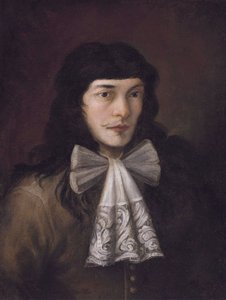
Alessandro Magnasco
1667 - 1749 , Itálie
Rychlé informace
- Artistic Movement Or Style: Pozdní baroko
- Artists Or Movements Influenced By This Artist: ['Michelangelo Cerquozzi']
- Artists Who Influenced This Artist:
- Valerio Castello
- Filippo Abbiati
- Date Of Birth: 4. února 1667
- Full Name: Alessandro Magnasco
- Nationality: Severoitalský
- Notable Artworks:
- Kající se sv. Marie Magdaléna v krajině
- Svatý Jeroným v krajině
- Place Of Birth: Janov
Související články

The Dramatic Flourish: Exploring the Baroque Movement's Enduring Legacy in Art History
Explore the dramatic world of Baroque art! Discover iconic artists like Caravaggio & Rubens, defining techniques, and its lasting impact on art history. Expert insights for collectors & enthusiasts at OriginalUniqueArt.

Giclée Prints: Archival Quality & Aesthetic Nuances for the Discerning Collector
Explore the world of giclée prints with OriginalUniqueArt. Learn about archival quality, aesthetic nuances & investment potential. Expert guidance for discerning art collectors seeking museum-quality reproductions and lasting value.

The Visceral Stage: Exploring Dramatic Narratives & Emotional Intensity in Baroque Art
Explore the dramatic world of Baroque art! Discover iconic masters like Caravaggio & Rembrandt, their techniques, and the movement's lasting impact. Expert insights for collectors & enthusiasts at OriginalUniqueArt.

The Enduring Legacy of Fine Art Prints: Technique, History & Aesthetic Impact
Explore the rich history & techniques of fine art prints. Discover investment potential, assess authenticity, and learn how to preserve your collection with expert guidance. Trusted insights for discerning collectors.

Barokní mistrovská díla: 10 obrazů, které definovaly umělecký styl | OriginalUniqueArt.cz
Objevte 10 ikonických děl barokního umění – od Caravaggia po Rembrandta. Ponořte se do příběhů mistrů, technik a emocí tohoto velkolepého období. Reprodukce obrazů nejvyšší kvality na OriginalUniqueArt.com! Prozkoumejte celou kolekci online.