

 Sdílet
 Sdílet
 Podrobnosti o díle

 Stáhnout
 Podobné položky
 Slideshow
Flower in Danger
 Mixed Materials
- Sculpture
- Surrealism
 1932
1932 56.0 x 78.0 cm
 Kunsthaus Zürich
 Zobrazit více
Ručně malovaná olejová reprodukce
Ručně malovaná olejná barva na plátně ve vašem zvoleném rozměru i s rámem, vyrobená našimi umělci na zakázku. ( Koupit tisk Koupit obrázek)




































Vyberte si z našich přednastavených velikostí, které odpovídají původním proporcím díla.

Můžete zadat vlastní rozměry pro konkrétní rám nebo prostor. Pokud se vámi vybraná velikost neshoduje s proporcemi původního obrazu, dílo buď ořízneme, nebo jej doplníme ručně malovanými prvky. Před zahájením výroby vám bude zaslán digitální náhled ke schválení.
Upozorňujeme, že náhled na obrazovce neodpovídá skutečnému ořezu ani rozšíření. Pouze digitální náhled přesně zobrazí finální kompozici.
Ačkoliv je možné zvolit vlastní velikost, pro zachování původních proporcí doporučujeme vybrat rozměr z předdefinovaného seznamu.
Po přijetí objednávky vám tým OriginalUniqueArt.com zašle e-mail s pokyny a poskytne náhledovou verzi.
Celosvětová doprava () za 3–4 týdny namísto standardních 5 týdnů. (22 srpen). Bez kompromisů v kvalitě.

Zdarma celosvětová expresní doprava

Vysoce kvalitní lněné plátno

Kompletní přepravní pojištění

Záruka vrácení celního poplatku

Záruka přesného barevného shodu

60denní lhůta pro vrácení zboží (pouze při vadách výroby)

100% garance vrácení peněz

Sleva při hromadné objednávce
 Skleněná varianta je dostupná pouze u rozměrů menších než 110 cm

Flower in Danger
Technika reprodukce
Rozměry reprodukce
-


Celková cena za výběr
$ 300
Popis díla
Alberto Giacometti’s “Flower in Danger”: A Silent Plea for Preservation
The sculpture "Flower in Danger," created by Alberto Giacometti in 1932, stands as a poignant emblem of existentialist art and a testament to the artist's masterful manipulation of form and space. Executed in wood, plaster, wire, and string – materials chosen deliberately to convey fragility and vulnerability – it’s more than just an aesthetically pleasing object; it’s a visual meditation on themes of mortality and the urgent need for safeguarding beauty amidst encroaching threats. Giacometti's distinctive style, characterized by elongated figures that seem to defy gravity, immediately establishes itself as a departure from traditional sculptural conventions. This deliberate distortion isn’t merely stylistic flourish; it serves as a powerful metaphor for confronting anxieties about existence and grappling with the precariousness of life itself.- Material Composition: The sculpture utilizes wood as its primary structural element, providing stability while simultaneously highlighting its inherent vulnerability. Plaster reinforces this fragility, creating an impression of delicate balance—a visual representation of the flower’s fragile state. Wire and string are interwoven throughout the piece, adding textural complexity and subtly suggesting connections between disparate elements.
- Technique: Giacometti employed a subtractive sculpting technique, meticulously carving away material to reveal the underlying form. This painstaking process underscores the artist's commitment to capturing essence rather than replicating surface detail—a hallmark of Surrealist art’s exploration of subconscious imagery and emotional resonance.
Emotional Impact
“Flower in Danger” evokes a profound sense of melancholy and contemplation—a reminder of the ephemeral nature of existence and the importance of cherishing moments of beauty. Its stark simplicity compels viewers to confront uncomfortable truths about vulnerability and loss, prompting reflection on our role in protecting the natural world and safeguarding artistic legacies for future generations. The sculpture’s enduring power resides not merely in its formal qualities but also in its ability to resonate with audiences on an emotional level—a testament to Giacometti's profound understanding of the human condition.Biografie umělce
A Life Sculpted by Existential Echoes
Alberto Giacometti, a name synonymous with the hauntingly elongated figures that define much of 20th-century sculpture, was born in 1901 amidst the breathtaking landscapes of Borgonovo, Switzerland. This alpine setting, nestled near the Italian border, instilled within him an early appreciation for form and space – qualities that would profoundly shape his artistic vision. He wasn’t simply entering a world of art; he was *born* into it. His father, Giovanni Giacometti, was a respected Post-Impressionist painter, and this familial immersion provided both encouragement and a foundation upon which young Alberto could build. The echoes of the Reformation resonated within his lineage too, as his family descended from Protestant refugees who had sought sanctuary from persecution, perhaps contributing to a lifelong exploration of isolation and the human condition. His brothers, Diego – himself a sculptor – and Bruno, an architect, further cemented art’s central role in their lives, creating a dynamic creative atmosphere that fostered experimentation and mutual influence.From Cubism to the Void: A Shifting Artistic Landscape
Giacometti's formal artistic journey began at the Geneva School of Fine Arts, but it was his move to Paris in 1922 that truly ignited his creative fire. He entered the studio of Antoine Bourdelle, a former associate of Rodin, absorbing classical techniques while simultaneously being swept up by the avant-garde currents swirling through the city. The early years were marked by an exploration of Cubism, dismantling and reassembling forms in a manner reflective of the era’s intellectual ferment. However, Giacometti wasn’t content to merely mimic; he sought his own voice, moving towards a more personal style that focused intently on the human figure. This period saw him gravitating toward Surrealism, creating works imbued with dreamlike imagery and psychological depth, associating with luminaries like Miró, Ernst, and Picasso. Yet, even within this movement, Giacometti felt constrained. He ultimately rejected its purely subconscious approach, yearning for a more rigorous analysis of figurative composition – a desire to understand the essence of being through form. The late 1930s witnessed a dramatic shift in scale; he began producing incredibly small sculptures, often no larger than seven centimeters tall. These diminutive figures weren’t simply miniature representations but rather expressions of distance, both physical and emotional, reflecting a sense of detachment and loss that permeated his worldview.The Post-War Silhouette: Fragility and the Human Condition
The devastation of World War II profoundly impacted Giacometti's work. Taking refuge in Switzerland during the conflict, he continued to sculpt, but it was after the war that he achieved his most iconic style – the tall, attenuated figures for which he is celebrated today. These weren’t portraits in the traditional sense; they were distillations of human presence, stripped down to their essential forms. Rough surfaces and elongated limbs conveyed a profound sense of fragility and isolation, mirroring the existential anxieties of the post-war era. They seem perpetually on the verge of dissolving into nothingness, embodying the precariousness of existence. These sculptures weren’t merely *of* people; they were explorations of what it meant to *be* human in a world grappling with trauma and uncertainty. The space surrounding these figures is as crucial as the forms themselves – an imaginary yet tangible realm that speaks to our own sense of alienation and longing. Simultaneously, Giacometti's painting gained prominence, mirroring the themes of isolation and attenuation found in his sculptures through almost monochromatic depictions of the human form.Legacy of a Visionary
Giacometti’s artistic contributions were recognized with increasing acclaim throughout his career, culminating in the Grand Prize for Sculpture at the Venice Biennale in 1962. However, despite this success, he remained relentlessly self-critical, constantly reworking and sometimes even destroying sculptures that failed to meet his exacting standards. His unfinished commission for the Chase Manhattan Bank Building in New York – *Grande Femme Debout I–IV* – stands as a testament to his dissatisfaction with the relationship between art and its environment, highlighting his uncompromising artistic integrity. His work resonates deeply with existentialist philosophy, grappling with themes of human existence, mortality, and the search for meaning in an absurd world. He wasn’t simply creating aesthetically pleasing objects; he was posing fundamental questions about what it meant to be alive. Alberto Giacometti is rightfully considered one of the most important sculptors of the 20th century, his influence continuing to inspire artists and captivate audiences with its profound exploration of the human condition and its uniquely evocative visual language. His sculptures are not merely representations of figures; they are embodiments of our shared vulnerability and search for connection in an increasingly fragmented world.
Alberto Giacometti
1901 - 1966 , Švýcarsko
Rychlé fakta
- Artistic Movement Or Style: Surrealismus, Existencialismus
- Artists Who Influenced This Artist:
- Antoine Bourdelle
- Rodin
- Miró
- Max Ernst
- Picasso
- Date Of Birth: 1901
- Date Of Death: 1966
- Full Name: Alberto Giacometti
- Nationality: Švýcarský
- Notable Artworks:
- Grande Femme Debout I–IV
- The City Square
- Reclining Woman Who Dreams
- Place Of Birth: Borgonovo, Švýcarsko
Související články

10 legendárních bronzových soch, které změnily umění | OriginalUniqueArt
Objevte 10 legendárních bronzových soch od Michelangela, Rodina a dalších mistrů! Ponořte se do historie umění, technik a příběhů za těmito nadčasovými díly. Najděte inspiraci pro váš interiér s OriginalUniqueArt.com – repliky nejvyšší kvality.

10 legendárních bronzových mistrovských děl, která změnila umění | OriginalUniqueArt
Objevte 10 legendárních bronzových mistrovských děl od Rodina, Donatella a dalších. Ponořte se do historie umění a nechte se inspirovat nadčasovými sochařskými replikami pro váš interiér. Prozkoumejte celou kolekci online na OriginalUniqueArt.com!

The Enduring Form: Exploring Themes & Techniques in Sculpture Across Historical Periods
Explore the rich history of sculpture from ancient masterpieces to contemporary innovations. Discover key techniques, influential artists & investment potential for discerning art collectors.

Giovanni Giacometti: Sculpting Existentialism – A Study of Form, Space, and the Human Condition
Explore the profound artistic journey of Giovanni Giacometti, father to Alberto. Discover his unique transition from Surrealism to Existentialist sculpture and painting – a compelling study for elite collectors and art enthusiasts.
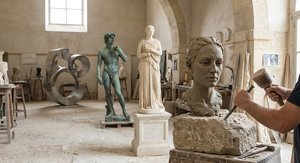
The Enduring Form: Sculpture Across History, Technique & Emotional Resonance
Explore the rich history of sculpture with OriginalUniqueArt. Discover key techniques, influential artists & investment potential for discerning collectors. Expert insights into valuing and collecting timeless masterpieces.

