

 Zobrazit v interiéru
 Odeslat
 Sdílet
 Podrobnosti
 Průvodce

 Stáhnout obrázek
 Podobné kousky
 Rentgenové snímky
 Slideshow
 Statistiky
Untitled (231)

 Přečíst si více
Umělecké dílo zobrazené na této stránce je chráněno autorským zákonem, což znamená, že nemůžeme legálně vytvářet ani prodávat jeho identickou reprodukci. Tato ochrana je vymáhána na základě mezinárodních dohod, jako například Berberská úmluva a národními zákony, včetně těch stanovených v Americký autorský zákon – Díl 17. Všechna práva vyhrazena.
Jako etickou a právní alternativu nabízíme vlastní, ručně malovaná umělecká díla inspirovaná originálem. Naši zdatní a profesionální umělci si pečlivě studují styl, náladu a uměleckou podstatu originálu, aby vytvořili nové, jedinečné dílo, které vyvolává stejný pocit – přičemž zůstává samostatným originálním tvůrčím dílem.
Tato metoda je plně v souladu s autorským právem, protože nezahrnuje kopírování ani duplikování chráněného díla. Jde o kreativní reinterpretaci – nový obraz, který je inspirován originálem, ale není s ním identický.
Ručně malovaná olejová reprodukce
Ručně malované olejné plátno v libovolném rozměru i s rámem, vyrobené našimi umělci na zakázku. ( Přepnout na tiskové verze Přepnout na digitální verzi obrazu)




P118B Kč10

P118H Kč10

P118W Kč10

P438Z Kč10

P508JH Kč12

P508YH Kč12

P805H Kč10

P805Z Kč10

P919BZ Kč10

P919G Kč10

P919XJ Kč10

P959ZH Kč10

P968JZ Kč12

W106C Kč8

W218G Kč10

W218JH Kč8

W218Y Kč10

W307PJ Kč10

W316G Kč10

W316PJ Kč8

W316Y Kč10

W398PJ Kč8

W4111J Kč10

W500HY Kč15

W500JH Kč15

W692G Kč12

W849H Kč8

W940BG Kč15

W953PJ Kč8




Vyberte si z našich přednastavených velikostí, které odpovídají původním proporcím díla.

Zadejte šířku a výšku, které potřebujete pro váš rám nebo stěnu. Protože se jedná o ruční malbu, při výběru jiného formátu může umělec kolem obrazu domalovat o něco více, nebo jej mírně oříznout — rozhodnete si vy. Před zahájením malby vám zašleme digitální náhled ke schválení. Obraz zobrazený na této stránce neodpovídá skutečnému výsledku — pouze digitální náhled jej zobrazuje.
Po přijetí objednávky vám tým OriginalUniqueArt.com zašle e-mail s pokyny a poskytne náhledovou verzi.
Celosvětová doprava () za 3–4 týdny namísto standardních 5 týdnů. (24 říjen). Bez kompromisů v kvalitě.

Zdarma celosvětová expresní doprava

Vysoce kvalitní lněné plátno

Úplné pojištění přepravy

Záruka vrácení celního poplatku

Záruka věrného barevného shodu

100dení lhůta pro vrácení zboží (pouze při vadách výroby)

100% garance vrácení peněz

Sleva při více objednávkách
 Skleněná varianta je dostupná pouze u rozměrů menších než 110 cm

Untitled (231)
Technika provedení
Velikost reprodukce
-


Celková cena
Kč 6434
Biografie umělce
A Catalan Renaissance Man: The Life and Art of Albert Ràfols-Casamada
Albert Ràfols-Casamada, born in Barcelona in 1923 and passing away in 2009, was more than just a painter; he embodied a true renaissance spirit within the vibrant Catalan art scene. Coming from an artistic lineage – his father, Albert Ràfols i Cullerés, was also a respected painter – young Albert initially pursued a path in architecture at the University of Barcelona beginning in 1942. However, the allure of pure creative expression proved too strong, and by 1948 he had fully dedicated himself to painting. This decision marked not an abandonment of structure, but rather a shift towards constructing worlds through color, form, and texture. His early work resonated with post-expressionist and figurative styles, laying a crucial foundation for the abstract explorations that would define his mature artistic voice. Even in these initial phases, a poetic sensibility was evident, hinting at the deeper emotional currents that would consistently flow beneath the surface of his art. The formation of “Els Vuit” (“The Eight”) in 1946 – a collective uniting poets, sculptors, musicians, and painters – provided an essential platform for Ràfols-Casamada to exhibit alongside kindred spirits and establish himself within Barcelona’s burgeoning artistic community.Parisian Influences and the Path to Abstraction
A pivotal moment in Ràfols-Casamada's development arrived with a scholarship that allowed him to study art in Paris from 1950 to 1954. This period, shared with his future wife Maria Girona and fellow Catalan artists like Josep Guinovart and Antoni Tàpies, proved transformative. Immersed in the European artistic landscape, he absorbed new ideas and techniques, witnessing firsthand the currents shaping modern art. Paris served as a crucible where his nascent talent was refined and directed towards abstraction. The influence of Henri Matisse is palpable in Ràfols-Casamada’s later use of color and composition, while North American abstract expressionism contributed to his exploration of gesture and emotional intensity. Yet, he never fully surrendered to external trends; instead, he synthesized these influences with a distinctly Mediterranean sensibility rooted in the *noucentisme* movement – a Catalan aesthetic that sought to blend classical ideals with modern innovation. This unique fusion resulted in an abstract style characterized by poetic renderings of everyday reality, where seemingly simple forms and colors held layers of meaning and emotional resonance.Beyond the Canvas: Education, Poetry, and Public Art
Ràfols-Casamada’s creative energy extended far beyond the confines of painting. He was a multifaceted artist deeply committed to fostering artistic growth in others. In 1967, he co-founded the EINA school of art and design in Barcelona, modeled on the principles of the Bauhaus – emphasizing interdisciplinary learning and practical application. For seventeen years, he served as its director, shaping generations of Catalan artists and designers. This dedication to education underscores his belief in the power of art to transform individuals and society. Simultaneously, Ràfols-Casamada pursued a parallel career as a poet, beginning to write in 1939 and publishing his first volume, *Com una capsa*, in 1972, followed by the critically acclaimed anthology *Signe d'aire* in 1976. His poetry, primarily written in Catalan, often explored themes of everyday life and artistic expression, mirroring the introspective quality found within his paintings. He also extended his artistic vision into public spaces, creating murals – notably “Les Quatre Estacions” in Barcelona and a significant work in Lyon – demonstrating his ability to integrate art seamlessly into the urban environment.A Lasting Legacy: Recognition and Enduring Influence
Albert Ràfols-Casamada’s contributions to Spanish and Catalan art were widely recognized during his lifetime, culminating in numerous accolades including the National Plastic Arts Prize in 1980 and the Catalonia Visual Arts Prize in 2003. A major retrospective of his work held at the Barcelona Museum of Contemporary Art (MACBA) and the Valencian Institute of Modern Art (IVAM) in 2001 solidified his position as a leading figure in Catalan art history. His works now grace prestigious collections worldwide, including the Guggenheim Museum in New York, the Centre Georges Pompidou in Paris, the British Museum in London, and the Museu Nacional d'Art de Catalunya (MNAC) in Barcelona – testaments to his enduring artistic significance. Even after his death in 2009, his legacy continues to inspire. The generous donation of his personal archive to the Library of Catalonia ensures that future generations will have access to a wealth of materials documenting his creative process and intellectual pursuits. Ràfols-Casamada’s art remains a powerful reminder of the transformative potential of abstraction, the importance of artistic education, and the enduring beauty of poetic expression. He stands as a pivotal figure in 20th-century Catalan art, bridging tradition and innovation with grace and profound sensitivity.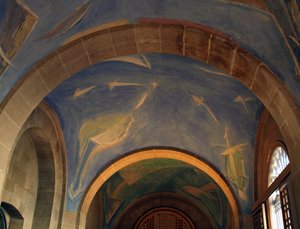
Albert Ràfols-Casamada
1923 - 2009 , Spain
Rychlé informace
- Artistic Movement Or Style: Abstract art, Post-expressionism
- Artists Who Influenced This Artist: ['Henri Matisse']
- Date Of Birth: 1923
- Date Of Death: 2009
- Full Name: Albert Ràfols-Casamada
- Nationality: Spanish
- Notable Artworks:
- Rafols Casamadact
- Rafols Casamada
- Untitled (231)
- Place Of Birth: Barcelona, Spain
Související články

Top 10 mistrovských děl abstraktního expresionismu | Umění a dekorace s OriginalUniqueArt.com
Prozkoumejte 10 ikonických děl abstraktního expresionismu od Pollocka, Rothka a dalších. Objevte příběhy za obrazy, techniky a barevné palety tohoto revolučního uměleckého hnutí. Reprodukce obrazů s OriginalUniqueArt.com – luxusní dekorace pro váš interiér. Prozkoumejte celou kolekci online!
Beyond the Lines: Mastering the High-Impact World of Contemporary Abstraction
Master the high-impact world of contemporary abstraction. Discover how bold colors, textures, and modern movements like Abstract Expressionism can transform your space with premium, high-energy art curated for the design-conscious professional.

Wassily Kandinsky: Top 25 mistrovských děl abstrakce pro váš interiér | OriginalUniqueArt.com
Prozkoumejte 25 ikonických děl Wassily Kandinského – průkopníka abstraktního umění a expresionismu. Objevte příběhy za barevnými kompozicemi, Bauhaus styl a inspirujte se pro váš interiér s reprodukcemi nejvyšší kvality na OriginalUniqueArt.com.

Geometrická abstrakce: 10 mistrovských děl, které změnily umění | OriginalUniqueArt.cz
Prozkoumejte 10 ikonických děl geometrické abstrakce od Mondriana, Maleviče a Kandinského. Objevte příběhy umělců, techniky a historii tohoto revolučního hnutí. Najděte inspiraci pro moderní dekorace a luxusní reprodukce obrazů na OriginalUniqueArt.com.
Mark Rothko: Top 25 děl mistra barev a emocí | OriginalUniqueArt.cz
Prozkoumejte 25 ikonických děl Marka Rothka, mistra abstraktního expresionismu. Objevte příběhy za jeho barevnými plátny a emoce v umění. Reprodukce obrazů nejvyšší kvality na OriginalUniqueArt.com.