

 Zobrazit v interiéru
 Odeslat
 Sdílet
 Podrobnosti
 Průvodce

 Stáhnout obrázek
 Podobné kousky
 Rentgenové snímky
 Slideshow
 Statistiky
Lulled to Sleep
 Akryl na plátně
- Obrazová tvorba na stěnu
- Victorian Realism
 1871
1871 56.0 x 39.0 cm
 Rijksmuseum
 Přečíst si více
Ručně malovaná olejová reprodukce
Ručně malované olejné plátno v libovolném rozměru i s rámem, vyrobené našimi umělci na zakázku. ( Přepnout na tiskové verze Přepnout na digitální verzi obrazu)




P118B Kč10

P118H Kč10

P118W Kč10

P438Z Kč10

P508JH Kč12

P508YH Kč12

P805H Kč10

P805Z Kč10

P919BZ Kč10

P919G Kč10

P919XJ Kč10

P959ZH Kč10

P968JZ Kč12

W106C Kč8

W218G Kč10

W218JH Kč8

W218Y Kč10

W307PJ Kč10

W316G Kč10

W316PJ Kč8

W316Y Kč10

W398PJ Kč8

W4111J Kč10

W500HY Kč15

W500JH Kč15

W692G Kč12

W849H Kč8

W940BG Kč15

W953PJ Kč8




Vyberte si z našich přednastavených velikostí, které odpovídají původním proporcím díla.

Zadejte šířku a výšku, které potřebujete pro váš rám nebo stěnu. Protože se jedná o ruční malbu, při výběru jiného formátu může umělec kolem obrazu domalovat o něco více, nebo jej mírně oříznout — rozhodnete si vy. Před zahájením malby vám zašleme digitální náhled ke schválení. Obraz zobrazený na této stránce neodpovídá skutečnému výsledku — pouze digitální náhled jej zobrazuje.
Po přijetí objednávky vám tým OriginalUniqueArt.com zašle e-mail s pokyny a poskytne náhledovou verzi.
Celosvětová doprava () za 3–4 týdny namísto standardních 5 týdnů. (25 říjen). Bez kompromisů v kvalitě.

Zdarma celosvětová expresní doprava

Vysoce kvalitní lněné plátno

Úplné pojištění přepravy

Záruka vrácení celního poplatku

Záruka věrného barevného shodu

100dení lhůta pro vrácení zboží (pouze při vadách výroby)

100% garance vrácení peněz

Sleva při více objednávkách
 Skleněná varianta je dostupná pouze u rozměrů menších než 110 cm

Lulled to Sleep
Technika provedení
Velikost reprodukce
-


Celková cena
Kč 6415
A Gentle Soul Captured in Light and Color: Exploring the Artistry of Adolph Artz
Adolph Artz (1837-1890), a Dutch painter hailing from The Hague, remains an artist whose serene depictions of family life and tranquil landscapes continue to resonate with collectors and art enthusiasts alike. While his output wasn’t voluminous compared to some contemporaries of the Hague School—a movement he helped establish—Artz's distinctive style cemented his place as a significant contributor to Victorian artistic sensibilities. He possessed a remarkable ability to convey emotion through subtle brushstrokes, capturing fleeting moments of tenderness and domestic harmony with an unparalleled sensitivity. Early Life & Education: Born into a family steeped in artistic tradition, Artz received formative training from his father, Constant Artz, who himself was a respected portrait painter. This familial influence undoubtedly instilled within him an appreciation for meticulous observation and skillful rendering of human emotion—qualities that would become hallmarks of his oeuvre. He diligently honed his craft, absorbing the lessons of his mentor and developing a profound understanding of artistic principles. The Hague School & Artistic Vision: Artz joined the burgeoning Hague School around 1860, aligning himself with a group of artists who championed realism and Impressionistic influences. This collaboration fostered an environment where experimentation was encouraged, pushing boundaries while maintaining a steadfast commitment to portraying everyday life with honesty and beauty. Unlike many of his peers who sought grand narratives or dramatic compositions, Artz focused on capturing the quiet dignity of ordinary subjects—often families—presenting them bathed in soft, diffused light characteristic of the Hague School’s aesthetic. “Lulled to Sleep”: A Study in Maternal Comfort: The painting itself, titled “Lulled to Sleep,” exemplifies Artz's signature style perfectly. It depicts a woman cradling her infant daughter on a chair, creating an intimate tableau that speaks volumes about maternal love and devotion. The composition is carefully balanced, emphasizing the central figures while subtly incorporating supporting elements—a dining table adorned with a bowl and cup—to establish a domestic setting. Artz skillfully employed oil paints on canvas, utilizing layering techniques to achieve remarkable tonal gradations and capturing the delicate textures of fabric and skin. Light plays a crucial role in shaping the mood, illuminating the woman’s face and highlighting the warmth emanating from her embrace. Technique & Symbolism: Artz's meticulous brushwork—characterized by short, broken strokes—allowed him to build up color gradually, creating an illusion of depth and luminosity that is remarkably convincing. The muted palette—dominated by earthy tones—reflects the prevailing artistic sensibilities of the Victorian era, prioritizing naturalistic representation over flamboyant ornamentation. Beyond its visual beauty, “Lulled to Sleep” carries symbolic weight. The pose of the mother conveys a sense of serenity and protection, symbolizing the nurturing role women played in Victorian society. The inclusion of domestic objects reinforces the theme of home and family life—values deeply cherished during that period. Emotional Impact & Legacy: Viewing “Lulled to Sleep” evokes feelings of warmth, tenderness, and nostalgia. Artz’s masterful depiction captures a moment of profound connection between mother and child—a scene universally recognized as embodying the purest form of familial affection. His work continues to inspire artists and collectors alike, demonstrating the enduring power of art to communicate emotion and celebrate human relationships. Adolph Artz's legacy resides not merely in his artistic achievements but also in his unwavering dedication to portraying the beauty and dignity of everyday life—a testament to his profound understanding of the human spirit.Otázky a odpovědi
Kde si mohu koupit print díla „Lulled to Sleep“ od Adolph Artz?
Pokud si chcete pořídit tisk díla „Lulled to Sleep“ od Adolph Artz, stačí si jej objednat na jeho stránce Umělecká tiskovina: umělecká tiskovina na bavlněném plátně nebo archivním plátnovém papíře.
Kde najdu průvodce k dílu "Lulled to Sleep"?
Stránka Průvodce díla „Lulled to Sleep“ od Adolph Artz nabízí tištěný dvoulistový informační list: samotné umělecké dílo s identifikační tabulkou, časovou osu situující dílo do období života umělce, další díla daného autora, naměřenou barevnou paletu a citace ve čtyřech stylech připravené pro okamžité zkopírování.
Kolik lidí si prohlíží „Lulled to Sleep"?
Stránka Statistiky díla „Lulled to Sleep“ od Adolph Artz zobrazuje statistiky veřejných návštěv: měsíční návštěvnost tohoto díla, srovnání s nejvíce prohlíženými díly daného umělce a původ jeho návštěvníků.
Biografie umělce
Klidná duše zachycená v světle a barvě: Období uměleckého tvůrčího světa Adolph Artze
Adolph Artz (1837–1890), nizozemský malíř pocházející z Haagu, zůstává umělcem, jehož snové zachycení rodinného života a klidných krajin stále rezonuje v srdcích sběratelů i milovníků umění. Ačkoliv jeho dílo nebylo v porovnání s některými jeho současníky ze školy haagské – hnutí, jehož založení se podílel – tak objemné, Artzův nezaměnitelný styl upevnil jeho postavení významného tvůrce viktoriánské estetiky.- Raný život a vzdělání: Narodil se do rodiny hluboce zakořeněné v umělecké tradici, kde získal své formativní vzdělání přímo od svého otce, Constanta Artze, který byl sám uctívaným portrétistou. Tento rodinný vliv mu bezpochyby vštívil schopnost precizní pozorování a mistrovské vyjádření lidských emocí – vlastností, které se později staly nekorunovanými znaky celého jeho díla.
- Haagská škola a umělecká vize: Kolem roku 1860 se Artz připojil k rozkvétající haagské škole, čímž se srovnal s takovými velikány jako Isaac Israelson či Anton Mauve. Etos této školy spočívalo v zachycování pomíjivých okamžiků každodenního života – zejména domácích scén – s hmatatelným smyslem pro atmosféru a realismus. Na rozdíl od některých svých kolegů, kteří upřednostňovali dramatické příběhy či idealizované zobrazení, Artz svou tvorbou neustále upřednostňoval vyjemtí něhy a tepla skrze své plátno.
- Významná díla: Umělecké dědictvo Artze stojí především na jeho poutavých portrétech rodinné náklonnosti a idylických přírodních krajinách. Díla jako „Vodní ptáci“, zobrazující matku jemně vedoucí své děti mezi vodní ptstvo, jsou příkladem jeho schopnosti destilovat komplexní emoce do zdánlivě jednoduchých kompozic. Podobně dílo „Ukolébáno k spánku“, zachycující spící dítě v náručí pečovatelky, ztělesňuje tichou krásu mateřské něhy.
- Krajiny a impresionistické vlivy: Kromě portrétů Artz vytvářel evokativní krajiny, které demonstrují jeho propojení s principy impresionismu. Například dílo „Procházka v dunách“ zachycuje éterickou kvalitu soumraku nad pískovými břehy – což je důkazem jeho citlivosti k atmosférickým podmínkám a touhy po vyjádření pocitu klidu.
Odkaz a historický význam
Přínos Adolph Artze k haagské škole přesahuje pouhou stylistickou imitaci. Prosazoval humanistickou estetiku, která upřednostňovala zachycení skutečné lidské zkušenosti – což bylo osvěžující protikladem k tehdejším převládajícím uměleckým trendům. Jeho malby i nadále inspirují obdiv svou nenápadnou elegancí a hlubokou emocionální hloubkou, čímž si zajistil místo umělce, který úspěšně přenesl ducha viktoriánského domácího života na plátno. Dnes nabízí reprodukce Artzových děl divákům nahlédnout do uplynulé éry – jako připomínku, že krása může být nalezena i v těch nejjednodušších gestech a krajinách.
Adolph Artz
1837 - 1890 , Nizozemsko
Rychlé informace
- Artistic Movement Or Style: Haagská škola
- Date Of Birth: Haag, Nizozemsko (1837)
- Full Name: David Adolph Constant Artz
- Nationality: Holandský
- Notable Artworks:
- Uspávání
- Vodní ptáci
- Procházka v dunách
- Place Of Birth: Haag
Související články

Golden Light & Dutch Skies: The Timeless Magic of Dutch Golden Age Landscapes
Discover the breathtaking beauty of Dutch Golden Age landscapes. Explore the mastery of light, chiaroscuro, and 17th-century realism through an expert art history lens, celebrating the enduring legacy of the Dutch Masters for discerning collectors and art lovers.
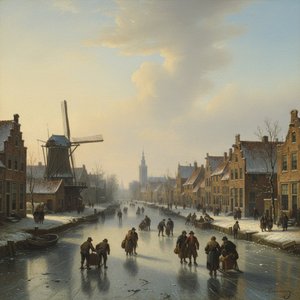
Charles Leickert: Capturing the Dutch Golden Age Light – A Comprehensive Study of Technique, Context, and Legacy
Explore the captivating winter landscapes of Charles Leickert, a master of Dutch Golden Age light & atmosphere. Discover his techniques, symbolism, and lasting legacy – a comprehensive study for art enthusiasts and collectors.
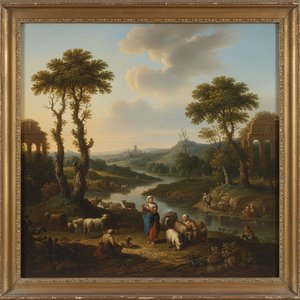
Nicolaes Berchem: Dutch Golden Age Pastoralism & the Evolution of Landscape Painting
Explore the captivating world of Nicolaes Berchem, a leading Dutch Golden Age painter. Discover his idyllic landscapes, masterful technique & lasting influence on art history. Learn more at OriginalUniqueArt.

Jan van Goyen: Master of Dutch Landscape & Atmospheric Perspective
Discover Jan van Goyen, the master of Dutch landscape painting. Explore his subtle technique, atmospheric realism & lasting influence on art history. Learn about this 17th-century pioneer at OriginalUniqueArt.
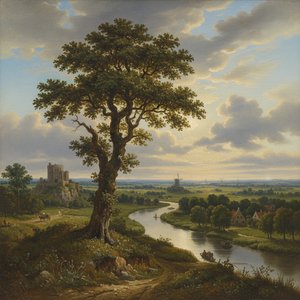
Jacob van Ruisdael: Master of Dutch Landscape & the Evocation of National Identity
Explore the life & work of Jacob van Ruisdael, the preeminent Dutch landscape painter. Discover his technical brilliance, symbolic depth, and lasting influence on art history. Learn about collecting Ruisdael's masterpieces.
