

 Zobrazit v interiéru
 Odeslat
 Sdílet
 Podrobnosti
 Průvodce

 Stáhnout obrázek
 Podobné kousky
 Rentgenové snímky
 Slideshow
 Statistiky
Painting


 Přečíst si více
Giclée / Umělecký tisk
Giclée nebo plátěný tisk muzeální kvality s rychlou výrobou a širokou nabídkou povrchových úprav. ( Objednat ručně malovanou reprodukci Přepnout na digitální verzi obrazu)




































Vyberte si z našich přednastavených velikostí, které odpovídají původním proporcím díla.

Můžete zadat vlastní rozměry tak, aby výtvor odpovídal konkrétnímu rámu nebo prostoru. Pokud zvolená velikost nebude odpovídat poměru stran původního obrazu, dílo buď ořížeme, nebo obraz rozšíříme pomocí zrcadlového efektu či jednobarevného okraje. Před zahájením výroby vám bude zaslán digitální náhled k schválení.
Mějte prosím na paměti, že náhled na obrazovce neodráží skutečné oříznutí nebo rozšíření. Pouze digitální náhled přesně zobrazí finální kompozici.
Ačkoliv jsou k dispozici i vlastní rozměry, pro zachování původních proporcí doporučujeme vybrat si rozměr z předdefinovaného seznamu.
Celosvětové doručení () do 2 týdnů namísto standardních 4/5 týdnů. (26 září)

Zdarma celosvětová expresní doprava

Vysoce kvalitní lněné plátno

Úplné pojištění přepravy

Záruka vrácení celního poplatku

Záruka věrného barevného shodu

100dení lhůta pro vrácení zboží (pouze při vadách výroby)

100% garance vrácení peněz

Sleva při více objednávkách
 Skleněná varianta je dostupná pouze u rozměrů menších než 110 cm

Painting
Giclée / Umělecký tisk
Velikost reprodukce
-


Celková cena
$ 80
Biografie umělce
A Life Interrupted: The Poignant Art of Abraham Weinbaum
Abraham (also known as Albert) Weinbaum’s story is one etched in both artistic promise and profound tragedy, a testament to the vibrant cultural life tragically extinguished by the horrors of World War II. Born in 1890 in Kamianets-Podilskyi, Ukraine, his early life hinted at a sensitivity that would blossom into a compelling artistic voice. Though born into a family with roots in the textile industry, Weinbaum felt drawn to a more expressive path, beginning his formal training in Odessa before relocating to Kraków. It was in Kraków that he forged friendships with fellow artists like Joseph Leski, and began to absorb influences that would shape his early style. He then moved to Paris in 1910, seeking the heart of the modern art world and a deeper connection with artistic innovation.Parisian Flourishing and Artistic Development
The École de Paris welcomed Weinbaum with open arms, becoming a crucial period in his development. He quickly integrated into the Parisian Salon system, exhibiting regularly alongside other emerging talents. His work during this time reflects a blend of realism and burgeoning modernism, often depicting intimate portraits, evocative cityscapes, and tender still lifes. However, it was his exploration of Jewish life – scenes from everyday existence, biblical narratives rendered with emotional depth – that began to define his unique artistic signature. Weinbaum wasn’t merely *representing* his heritage; he was imbuing it with a personal sensibility, capturing the spirit and struggles of a community on the cusp of immense change. His participation in exhibitions like the 1922 International Exhibition in Düsseldorf further solidified his reputation, and his paintings found favor with collectors, including acquisitions by the Belgian State. This period represents not just artistic growth but also a growing recognition of Weinbaum’s ability to connect with audiences through emotionally resonant imagery.Themes of Identity and a Looming Shadow
Weinbaum's art consistently returned to themes of Jewish identity, reflecting both pride in his cultural roots and an awareness of the rising antisemitism that permeated Europe. His paintings weren’t grand historical statements but rather intimate glimpses into daily life – families gathered around tables, figures engaged in quiet contemplation, scenes from religious traditions. These works possess a poignant quality, imbued with a sense of warmth and humanity that makes them particularly affecting today. As the political climate darkened in the late 1930s and early 1940s, this focus on Jewish life took on an increasingly urgent tone. In 1940, Weinbaum fled Paris with his wife and daughter, seeking refuge in Marseille, hoping to escape the Nazi occupation. This move, however, proved tragically insufficient.Deportation and Loss: A Legacy Silenced
The arrest of Abraham Weinbaum and his family on January 22, 1943, marked a devastating turning point. Interned at Compiègne before being transferred to Drancy, they were ultimately deported on convoy number 52 on March 23, 1943, destined for the Sobibor extermination camp. There, their lives – and Weinbaum’s artistic journey – were brutally cut short. The loss of such a promising talent represents an immeasurable tragedy for the art world. While his body of work isn't extensive, it stands as a powerful testament to the vibrant Jewish culture that was so violently suppressed during the Holocaust.Historical Significance and Enduring Impact
Abraham Weinbaum’s artwork is significant not only for its artistic merit but also for what it represents: a poignant record of a life and community tragically lost. His paintings offer a glimpse into the everyday lives of European Jews on the eve of unimaginable horror, imbued with a sense of warmth, humanity, and cultural pride. Today, his work serves as a powerful reminder of the importance of remembering the victims of the Holocaust and preserving their stories for future generations. He is remembered among the artists of Montparnasse, a testament to the enduring power of art to bear witness and offer solace in the face of unspeakable tragedy. His legacy continues to inspire reflection on themes of identity, loss, and the importance of artistic expression as a form of resistance and remembrance.
abraham weinbaum
1890 - 1943 , Ukraine
Rychlé informace
- Artistic Movement Or Style: École de Paris
- Artists Who Influenced This Artist: ['Joseph Pankiewicz']
- Date Of Birth: 1890
- Date Of Death: 1943
- Full Name: Abraham Weinbaum
- Nationality: Polish
- Notable Artworks: ['Jewish Painter life']
- Place Of Birth: Kamianets-Podilskyi, Ukraine
Související články

Za hranicemi světla a barvy: Impresionismus versus Postimpresionismus pro náročného sběratele
Prozkoumejte svět impresionismu a postimpresionismu s . Průvodce pro náročné sběratele, investiční potenciál a rady od odborníků. Objevte mistrovská díla Cézannea, Van Gogha a Gauguina.
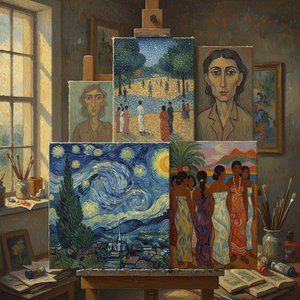
Beyond Impressionism: Exploring the Emotional Depth of Post-Impressionist Painting
Explore the profound emotional depth & innovative techniques of Post-Impressionism with OriginalUniqueArt. Discover Cézanne, Van Gogh, Gauguin & more – and their lasting impact on modern art.

Top 10 mistrovských děl postimpresionismu: Umění a inspirace pro váš domov
Prozkoumejte 10 ikonických děl postimpresionismu od Van Gogha, Moneta a Cézanna. Objevte příběhy umělců, techniky a inspiraci pro váš interiér s luxusními reprodukcemi obrazů na OriginalUniqueArt.com.
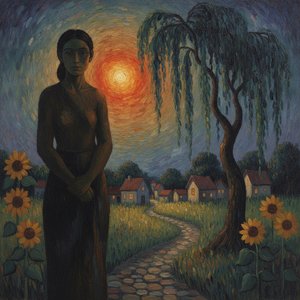
Beyond the Light: Discovering the Soul and Emotional Depth of Post-Impressionism
Embark on a cultural journey through Post-Impressionism. Discover the profound emotional depth of masters like Van Gogh and Cézanne, exploring how they moved beyond light to capture the very soul of human experience through vibrant color and symbolic form.

Impressionism vs. Post-Impressionism: A Masterclass in the Revolution of Light, Color, and Emotion
Master the nuances of Impressionism vs. Post-Impressionism with our expert guide. Explore the revolutionary shift from Monet’s fleeting light to Van Gogh’s emotional depth. Discover how these iconic movements continue to inspire fine art collectors and modern interiors today.