

 Náhled v interiéru
 Sdílet
 Sdílet
 Podrobnosti o díle
 Průvodce

 Stáhnout
 Podobné položky
 Rentgenové snímky
 Slideshow
 Statistiky
Moorland Scene with Game
 Oil
Oil- WallArt
- Realism
 1888
1888- 19th Century
 69.0 x 89.0 cm
 The Hepworth Wakefield
 Zobrazit více
Ručně malovaná olejová reprodukce
Rukou malované olejné plátno v libovolném rozměru i s rámem, vyrobené našimi umělci na zakázku. ( Přepnout na tisk Přepnout na digitální obraz)




P118B Kč10

P118H Kč10

P118W Kč10

P438Z Kč10

P508JH Kč12

P508YH Kč12

P805H Kč10

P805Z Kč10

P919BZ Kč10

P919G Kč10

P919XJ Kč10

P959ZH Kč10

P968JZ Kč12

W106C Kč8

W218G Kč10

W218JH Kč8

W218Y Kč10

W307PJ Kč10

W316G Kč10

W316PJ Kč8

W316Y Kč10

W398PJ Kč8

W4111J Kč10

W500HY Kč15

W500JH Kč15

W692G Kč12

W849H Kč8

W940BG Kč15

W953PJ Kč8




Vyberte si z našich přednastavených velikostí, které odpovídají původním proporcím díla.

Zadejte šířku a výšku, které potřebujete pro váš rám nebo stěnu. Protože se jedná o ruční malbu, při výběru jiného formátu může umělec kolem obrazu domalovat o něco více, nebo jej mírně oříznout — rozhodnete si vy. Před zahájením malby vám zašleme digitální náhled ke schválení. Obraz zobrazený na této stránce neodpovídá skutečnému výsledku — pouze digitální náhled jej zobrazuje.
Po přijetí objednávky vám tým OriginalUniqueArt.com zašle e-mail s pokyny a poskytne náhledovou verzi.
Celosvětová doprava () za 3–4 týdny namísto standardních 5 týdnů. (26 říjen). Bez kompromisů v kvalitě.

Zdarma celosvětová expresní doprava

Vysoce kvalitní lněné plátno

Kompletní pojištění přepravy

Záruka vrácení celního poplatku

Záruka věrného barevného souladu

100dení lhůta pro vrácení zboží (pouze při vadách výroby)

100% záruka vrácení peněz

Sleva při více objednávkách
 Skleněná varianta je dostupná pouze u rozměrů menších než 110 cm

Moorland Scene with Game
Technika reprodukce
Rozměry reprodukce
-


Celková cena za vybrané možnosti reprodukcí
Kč 6415
A Symphony of the Yorkshire Moors
In the quiet, evocative depths of Abel Hold’s 1888 masterpiece, Moorland Scene with Game, we are transported to the rugged, windswept landscapes of West Yorkshire. This painting is not merely a depiction of a hunt; it is a profound meditation on the cycle of life and the delicate equilibrium of the natural world. The canvas unfolds with a rich tapestry of textures, where the vibrant plumage of various birds—splashes of deep red, emerald green, and cerulean blue—rests against the earthy, muted tones of the moorland floor. Amidst this collection of game, two deer emerge as silent sentinels, their presence adding a layer of majestic stillness to the composition. The artist masterfully balances the presence of the fallen with the living, creating a scene that feels both somber and deeply peaceful.
The technique employed by Hold reveals the hand of a man who truly understood the soul of his subject. Having begun his career as a house painter and decorator, Hold possessed an innate, meticulous command over color and light. In this work, his brushwork serves to bridge the gap between reality and atmosphere. One can almost feel the dampness of the moorland air and the coarse texture of the heather. The way light filters through the background, catching the subtle contours of the deer and the iridescent feathers of the birds, suggests a mastery of naturalism that avoids mere imitation, opting instead to capture the very essence of the landscape's spirit.
Historical Resonance and Artistic Legacy
To understand this painting is to understand the 19th-century British connection to the land. Abel Hold, a self-taught talent from Alverthorpe, brought an authentic, unpretentious gaze to his subjects. Unlike many of his contemporaries who sought grand, idealized landscapes, Hold found divinity in the local and the tangible. This piece serves as a window into a bygone era of sporting tradition and the quiet dignity of the English countryside. The inclusion of a distant figure in the background adds a narrative layer of human connection, suggesting a moment of observation or participation in the ancient rhythms of the hunt.
For the discerning collector or interior designer, Moorland Scene with Game offers more than just visual beauty; it provides an emotional anchor. The painting’s palette—a sophisticated blend of organic hues—makes it a versatile and timeless addition to any curated space. Whether placed in a traditional study, a rustic manor, or a modern gallery setting, the work exudes a sense of tranquility and historical weight. It is a piece that invites long periods of contemplation, encouraging viewers to reconnect with the raw, unadorned beauty of nature and the enduring legacy of one of Yorkshire's most soulful painters.
Otázky a odpovědi
Který umělec a jaký styl stojí za dílem "Moorland Scene with Game"?
Dílo "Moorland Scene with Game" vytvořil/a Abel Hold v rámci stylu Realism. Autor/ka i toto umělecké směřování definují tradici tohoto díla.
Hangi tónem se "Moorland Scene with Game" sklání?
Dominantní odstín díla „Moorland Scene with Game“ od Abel Hold je Ochre to Sepia. Tento odstín tvoří základní tón celé palety.
Jakou náladu by do prostoru přineslo dílo "Moorland Scene with Game"?
Dílo „Moorland Scene with Game“ od Abel Hold má Earthy atmosféru a doporučujeme jej do Living Room. Nálada představuje to, co dílo vnáší do okolního prostoru.
Biografie umělce
Abel Hold: A Yorkshire Painter of Nature’s Soul
Abel Hold (1815-1896), a largely unsung figure of 19th-century British art, possessed a remarkable talent for capturing the essence of the natural world. Born in Alverthorpe, a small village near Wakefield, Yorkshire, his artistic journey began not with formal training but through a deep connection to the landscapes and wildlife surrounding him. Hold’s life was one of quiet dedication, marked by a self-taught approach and a profound respect for the subjects he depicted – animals, game birds, and the evocative scenery of West Yorkshire.
Early in his career, Hold worked as a house painter and decorator, skills that undoubtedly informed his meticulous observation of detail and his understanding of color. However, it was his passion for depicting the natural world that truly defined his artistic output. He wasn’t merely recording scenes; he sought to convey the spirit and character of each subject, imbuing his paintings with a sense of life and immediacy. His work reflects a Romantic sensibility – an appreciation for beauty, a fascination with nature's power, and a yearning for connection with the wild.
The Cawthorne Years: Patronage and Artistic Flourishing
A pivotal moment in Hold’s career arrived through his acquaintance with Walter Spencer-Stanhope, the owner of Cannon Hall Estate. Recognizing Hold’s talent, Spencer-Stanhope became a generous patron, providing him with a studio and access to subjects for his paintings. This patronage allowed Hold to dedicate himself fully to his art, fostering a period of intense creative activity. The estate's extensive grounds offered an unparalleled source of inspiration – from the rolling hills and woodlands to the abundant wildlife.
Hold’s connection with Cannon Hall extended beyond mere financial support; it fostered a shared appreciation for the natural world. He meticulously documented the estate’s flora and fauna, creating a rich visual record of its diverse ecosystem. His paintings of game birds – pheasants, partridges, and grouse – are particularly celebrated for their realism and sensitivity to the animals' behavior. He wasn’t simply rendering appearances; he captured the essence of these creatures in motion, conveying their alertness, grace, and inherent wildness.
Technique and Materials: A Painter of Simplicity
Hold’s artistic style was characterized by a directness and simplicity that belied his deep understanding of technique. He eschewed elaborate ornamentation or dramatic compositions, instead focusing on capturing the essential qualities of his subjects with clarity and precision. His brushwork was often loose and expressive, conveying texture and movement with subtle variations in tone and color.
Notably, Hold developed his own pigments, grinding river pebbles for ochre, umber, and sienna – a testament to his resourcefulness and intimate connection with the landscape. This practice not only provided him with a unique palette but also reinforced his understanding of materials and their interaction with light. His paintings often possess a remarkable luminosity, achieved through careful layering of color and a sensitivity to atmospheric effects.
Legacy and Recognition
Despite his considerable talent, Abel Hold remained largely unknown during his lifetime. He was a working artist, content to pursue his passion without seeking fame or fortune. It wasn’t until decades after his death that his work began to receive wider recognition. The Cawthorne 1790-1990 booklet and later exhibitions highlighted the significance of his contributions to Yorkshire art. Today, Abel Hold is increasingly appreciated as a skilled naturalist painter who captured the beauty and spirit of the West Yorkshire landscape with remarkable sensitivity and insight.
His paintings are now housed in collections such as the Scottish National Portrait Gallery (where a portrait of Jonas Beaumont hangs), and private collections, offering a glimpse into the life and work of an artist whose quiet dedication and profound connection to nature continue to resonate today. Abel Hold’s legacy lies not only in his beautiful paintings but also in his embodiment of a simpler, more contemplative approach to art – one rooted in observation, respect for the natural world, and a deep appreciation for its enduring beauty.

Abel Hold
1815 - 1891
Rychlé informace o umělci
- Full Name: Abel Hold
- Nationality: British
- Date Of Birth: 1815
- Date Of Death: 1891
- Place Of Birth: Alverthorpe, England
- Notable Artworks:
- A Bird's Nest
- Jonas Beaumont
- Artistic Movement Or Style: Animal/Game Painting
- Artists Or Movements Influenced By This Artist: ['None known']
Související články

Pixelová prestiž: Průzkum vzácnosti, hodnoty a kulturního dopadu limitovaných edicí herních obrazů
Prozkoumejte vzácný svět limitovaných edicí herních obrazů! Odborná analýza hodnoty, investičního potenciálu a kulturního dopadu pixel artu. Průvodce pro sběratele a milovníky umění.

Propojení Světů: Estetické Paralely mezi Herními Vesmíry a Tradičním Uměním
Prozkoumejte fascinující propojení herního světa a tradičního umění. Objevte historické vlivy, estetické paralely a investiční příležitosti. Kvalitní analýzy pro sběratele a milovníky umění.

Štětcem a pixely: Umělecké řemeslo ručně malovaných herních světů a tvůrci, kteří je oživují
Objevte fascinující svět ručně malovaných her! Prozkoumejte umělecké řemeslo, techniky a výzvy tvorby unikátních prostředí. Inspirace, trendy a odborné postřehy pro herní designéry i milovníky kvalitní grafiky.

Od pixelů k chodníkům: Jak estetika her formuje popkulturu
Prozkoumejte, jak estetika videoher formuje popkulturu! Od historie herního designu po vliv na umění a módu – objevte trendy a budoucnost virtuálních světů.
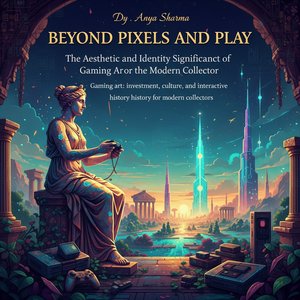
Za hranicemi pixelů a hry: Estetický význam herního umění pro moderního sběratele
Prozkoumejte estetický význam herního umění a jeho potenciál pro moderního sběratele. Analýzy trendů, investiční příležitosti a kurátorství digitálních děl. Odborné rady a inspirace od OriginalUniqueArt.