

 Náhled
 Sdílet
 Sdílet
 Podrobnosti o díle

 Stáhnout
 Podobné položky
 Rentgenové snímky
 Slideshow
Carrying the Cross
 Oil On Canvas
- WallArt
- Renaissance Late
 1593
1593 108.0 x 114.0 cm
 Groeninge Muzeum
 Zobrazit více
Ručně malovaná olejová reprodukce
Ručně malovaná olejná barva na plátně ve vašem zvoleném rozměru i s rámem, vyrobená našimi umělci na zakázku. ( Přepnout na tisk Přepnout na obrázek)




P118B $10

P118H $10

P118W $10

P438Z $10

P508JH $12

P508YH $12

P805H $10

P805Z $10

P919BZ $10

P919G $10

P919XJ $10

P959ZH $10

P968JZ $12

W106C $8

W218G $10

W218JH $8

W218Y $10

W307PJ $10

W316G $10

W316PJ $8

W316Y $10

W398PJ $8

W4111J $10

W500HY $15

W500JH $15

W692G $12

W849H $8

W940BG $15

W953PJ $8




Vyberte si z našich přednastavených velikostí, které odpovídají původním proporcím díla.

Můžete zadat vlastní rozměry pro konkrétní rám nebo prostor. Pokud se vámi vybraná velikost neshoduje s proporcemi původního obrazu, dílo buď ořízneme, nebo jej doplníme ručně malovanými prvky. Před zahájením výroby vám bude zaslán digitální náhled ke schválení.
Upozorňujeme, že náhled na obrazovce neodpovídá skutečnému ořezu ani rozšíření. Pouze digitální náhled přesně zobrazí finální kompozici.
Ačkoliv je možné zvolit vlastní velikost, pro zachování původních proporcí doporučujeme vybrat rozměr z předdefinovaného seznamu.
Po přijetí objednávky vám tým OriginalUniqueArt.com zašle e-mail s pokyny a poskytne náhledovou verzi.
Celosvětová doprava () za 3–4 týdny namísto standardních 5 týdnů. (11 srpen). Bez kompromisů v kvalitě.

Zdarma celosvětová expresní doprava

Vysoce kvalitní lněné plátno

Kompletní přepravní pojištění

Záruka vrácení celního poplatku

Záruka přesného barevného shodu

60denní lhůta pro vrácení zboží (pouze při vadách výroby)

100% garance vrácení peněz

Sleva při hromadné objednávce
 Skleněná varianta je dostupná pouze u rozměrů menších než 110 cm

Carrying the Cross
Technika reprodukce
Rozměry reprodukce
-


Celková cena za výběr
$ 300
Popis díla
Carrying the Cross by Abel Grimmer
Abel Grimmer’s “Carrying the Cross,” painted in 1593, stands as a cornerstone of Flemish landscape painting during its transition towards naturalism—a remarkable achievement that captures not only the visual details but also the profound emotional resonance of its time. Housed within the Groeninge Museum in Bruges, Belgium, this oil on panel measuring 108 x 114 cm offers a glimpse into the artistic sensibilities of the late Renaissance.
Composition and Setting: The scene depicts a solemn procession—a group of figures laboriously transporting a large cross uphill along a rugged rocky hill. Grimmer’s meticulous attention to detail is evident in the depiction of individuals dressed in period clothing, some adorned with striking red robes that punctuate the muted palette of the broader landscape. The artist skillfully employs light and shadow, creating an illusion of three-dimensionality that draws the viewer's gaze into the dramatic tableau.
Landscape as Symbol: Beyond its immediate visual appeal, the surrounding terrain serves as a powerful symbol—a steep cliff face and scattered boulders representing obstacles faced by humanity on its spiritual journey. Grimmer’s landscape is not merely decorative; it embodies the prevailing artistic ethos of the era, mirroring the broader philosophical concerns about faith and perseverance.
Technique and Style: Grimmer's approach distinguishes itself from earlier landscape traditions championed by Joachim Patinir and others. He eschewed elaborate ornamentation, favoring a streamlined technique characterized by minimal varnishing and a deliberate simplification of forms—a stylistic choice that ensured the painting’s affordability and widespread dissemination through prints. Each pictorial area was composed in a single color with little or no modulation.
Historical Context and Significance: Created during a turbulent period marked by religious conflict between Protestant and Catholic factions, “Carrying the Cross” reflects the anxieties of its time. The artist’s masterful use of color and perspective aligns with the artistic currents circulating throughout Europe—particularly influenced by Hans Bol and Pieter Bruegel the Elder—demonstrating Grimmer's commitment to upholding established landscape formulas while simultaneously pushing boundaries.
The Groeninge Museum Legacy: Situated alongside masterpieces by Hugo Van Der Goes and Jan Van Eyck, the Groeninge Museum celebrates Grimmer’s enduring contribution to art history. OriginalUniqueArt.com offers high-quality reproductions of “Carrying the Cross” and other artworks from this celebrated collection—allowing enthusiasts worldwide to experience the beauty and depth of Flemish Renaissance artistry.
Further Exploration: To delve deeper into Grimmer’s artistic vision, visit The Museum Sint-Salvatorskerk (Bruges, Belgium) page for comprehensive information on the painting and its place within Grimmer's oeuvre.
Biografie umělce
Abel Grimmer (c. 1570–c. 1620): The Streamlined Landscape Painter
Abel Grimmer (family name variations: 'Grimer' and 'Grimmaert') (c. 1570–c. 1620) was a Flemish late Renaissance painter, mainly of landscapes and, to a lesser extent, of architectural paintings. His works were important in the development towards more naturalism in Flemish landscape painting. Grimmer’s artistic legacy resides not merely in his impressive output but also in his innovative approach—a method that prioritized efficiency and stylistic consistency—which secured him a prominent place within the Antwerp art market during his lifetime. Born and died in Antwerp, he honed his craft under the tutelage of his father, Jacob Grimmer (c. 1526–1590), who himself had established renown by imitating Pieter Bruegel the Elder’s miniature landscapes and distributing them at affordable prices. This familial influence profoundly shaped Grimmer's artistic sensibilities, fostering a dedication to meticulous observation and a masterful command of technique—a commitment that would ultimately define his distinctive style. Jacob Grimmer’s workshop served as the crucible for Abel’s formative years, immersing him in the traditions of Flemish landscape painting while simultaneously encouraging experimentation with new approaches. He learned from his father's example—a master of replicating Bruegel’s iconic scenes and distributing them widely—establishing a reputation for accessibility and affordability. This early training instilled in Grimmer a deep appreciation for observation and a desire to capture the essence of the natural world, shaping his artistic vision for decades to come. Grimmer married Catharina Lescornet in 1591 and swiftly ascended to mastership within the Antwerp Guild of Saint Luke—a pivotal moment signifying his recognition as a skilled artist and securing him access to lucrative commissions. This achievement underscored Grimmer’s dedication to artistic excellence and solidified his position within Antwerp's vibrant art community, allowing him to pursue his creative endeavors with confidence and ambition. Following Jacob’s death in 1590, Abel inherited his father’s workshop, continuing the family tradition of producing landscape paintings that adhered to established formulas while subtly elevating them through careful simplification and stylistic refinement. He continued to innovate, adapting Bruegel's techniques to create a distinctive visual language that resonated with collectors and patrons alike. Grimmer’s artistic style is characterized by a striking convergence of influences—primarily Pieter Bruegel the Elder and Hans Bol—yet simultaneously distinguished by an unwavering commitment to streamlining technique. Unlike his predecessors who often employed elaborate compositions and nuanced color palettes, Grimmer embraced a minimalist aesthetic, prioritizing clarity and visual impact. This stylistic choice stemmed from a pragmatic understanding of the Antwerp marketplace, where affordability and accessibility were paramount considerations. Each pictorial area of his landscapes was meticulously rendered in a single hue—often muted shades of ochre or brown—with minimal modulation to achieve maximum luminosity and reduce varnishing’s effect on surface texture. This deliberate simplification wasn't merely a stylistic preference; it represented a fundamental shift towards a more economical production process, ensuring that Grimmer’s paintings remained competitive within the prevailing artistic landscape. He skillfully employed color harmonies reminiscent of Bruegel and Bol, capturing atmospheric light with remarkable accuracy—a hallmark of his oeuvre. Buildings were depicted as geometric shapes—a deliberate departure from earlier conventions—further enhancing the overall visual impact of his landscapes. Grimmer’s technique involved applying minimal varnishing, eliminating surface reflections and maximizing color vibrancy—a strategy that underscored his dedication to efficiency and artistic precision. Grimmer's oeuvre encompasses a diverse range of subjects—primarily landscapes depicting seasonal changes and architectural interiors—but several works stand out for their stylistic innovation and thematic resonance. Among these are the twelve “Months” series (1592), an exact copy of Hans Bol’s prints after designs by Pieter Bruegel the Elder, published by Hans van Luyck in 1585; ‘Spring’ and ‘Summer,’ which mirror two prints by Pieter van der Heyden based on Bruegel's compositions; and depictions of the Tower of Babel—a narrative inspired by Bruegel’s seminal paintings on this subject matter. These artworks exemplify Grimmer’s masterful adaptation of established artistic conventions while simultaneously conveying profound moral messages rooted in biblical allegory. The tower motif, reflecting anxieties about human pride and defiance against divine authority, mirrored the turbulent political climate of Antwerp during Grimmer's lifetime—a city embroiled in conflict with Protestant provinces. Despite criticisms leveled against his stylistic choices—often portraying him as overly reliant on the work of others—Grimmer’s legacy endures as a pivotal figure in the evolution of Flemish landscape painting. His streamlined technique—characterized by single-hue color palettes and geometric building representations—established a precedent for subsequent generations of artists, securing his place within Antwerp's artistic tradition. Furthermore, Grimmer’s unwavering commitment to capturing atmospheric light and faithfully reproducing architectural spaces foreshadowed developments in Dutch interior painting championed by Pieter Saenredam—demonstrating the breadth of his influence on the broader artistic landscape of the Low Countries. Abel Grimmer’s contribution to Flemish art is undeniable: he represents a crucial step toward naturalism, while simultaneously upholding an economical production process that ensured his paintings remained accessible and influential for centuries to come.
Abel Grimmer
1570 - 1620 , Belgie
Rychlé fakta
- Artistic Movement Or Style: Late Renaissance
- Artists Who Influenced This Artist:
- Joachim Patinir
- Pieter Bruegel the Elder
- Hans Bol
- Date Of Birth: c. 1570
- Date Of Death: c. 1620
- Full Name: Abel Grimmer
- Nationality: Flemish
- Notable Artworks:
- The Tower of Babel
- Winter
- Autumn
- Place Of Birth: Antwerp, Belgium
Související články
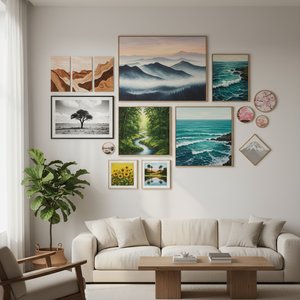
Top 10 krajin v umění: Mistrovská díla a inspirace pro váš domov
Objevte 10 nejúchvatnějších krajin v umění od Turnerů po Van Gogha! Ponořte se do příběhů mistrů a inspirujte se pro svůj interiér. Reprodukce obrazů nejvyšší kvality na OriginalUniqueArt.com – pro milovníky umění a dokonalý dekor.

Romantická krajina v malbě: 10 mistrovských děl, které definovaly umělecký proud | OriginalUniqueArt
Prozkoumejte 10 ikonických děl romantické krajinářské malby! Objevte příběhy Caspara Davida Friedricha, Turnera a dalších mistrů. Reprodukce obrazů nejvyšší kvality pro váš interiér na OriginalUniqueArt.com.

Evocations of Place: A Historical Journey Through Landscape Art
Explore the rich history of landscape art with OriginalUniqueArt. Discover renowned artists, movements like Impressionism & Romanticism, and expert guidance for collecting timeless pieces. Find your perfect serene escape today!

John Constable: 25 mistrovských děl krajinářské poezie | OriginalUniqueArt.com
Prozkoumejte 25 ikonických děl Johna Constabla, mistra anglického krajinářství a romantismu. Obdivujte jeho olejomalby, plátna s venkovskou atmosférou a inspirujte se pro dekoraci interiéru. Reprodukce obrazů nejvyšší kvality na OriginalUniqueArt.com
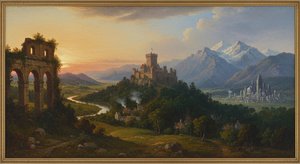
Evocations of Place: A Historical Journey Through Landscape Art
Explore the rich history of landscape art with OriginalUniqueArt. Discover renowned artists, movements like Impressionism & tonalism, and expert guidance for collecting timeless pieces. Find your perfect serene escape today!

