Меню
БЕЗПЛАТНА КОНСУЛТАЦИЯ ЗА ИЗКУСТВО

Леopold Музей

Бързи факти

  • Featured artists:
    • Егон Шиле
    • Густав Климт
    • Оскар Кокошка
    • Gustav Klimt
    • Egon Schiele
  • Historical periods:
    • късносредновековечен
    • модерно
    • ренесанс
  • Movements:
    • early expressionism
    • expressionism
    • expressionist painting
    • symbolic expressionism
    • symbolist art nouveau
  • Location: Виена, Австрия
  • Разгърни скритите подробности
  • Art types: стенопис
  • Works on APS: 47
  • Mediums:
    • акварел
    • акрил върху платно
    • масло върху платно
    • рисуване
  • Alternate names: []

Тест за изкуство

За всеки въпрос има само един верен отговор.

Въпрос 1:
Кой е основният фокус на колекцията в музея Леополд?
Въпрос 2:
В коя от следните области се намира музейът Леополд?
Въпрос 3:
Кой от следните движения е най-ярко представен в колекцията на музея Леополд, например в творбите на Густав Климт?
Въпрос 4:
Какъв значителен исторически събитие музейът Леополд активно се опитва да адресира чрез колекцията си и изследванията си?
Въпрос 5:
Колко картини и рисунки приблизително притежава колекцията на Егон Щиле в музея Леополд?

A Sanctuary of Austrian Modernism: The Leopold Museum’s Enduring Legacy

Nestled within Vienna’s vibrant MuseumsQuartier, the Leopold Museum is more than just a gallery; it's a profound journey into the heart of Austria’s artistic soul. Founded by the visionary couple, Elisabeth and Rudolf Leopold, this museum began with an audacious ambition: to champion the often-overlooked voices of Austrian modernism – from the opulent grandeur of the Vienna Secession to the emotionally charged landscapes of Expressionism. Their unwavering belief in the significance of these movements fueled a remarkable collection, now considered one of the world’s most comprehensive and deeply resonant depictions of this pivotal period in art history. The building itself, a meticulously restored former stable—a deliberate architectural choice that honors Vienna's imperial past while embracing contemporary design—creates an immediate sense of intimacy and connection to the artists whose work resides within its walls. Sunlight streams through expansive windows, illuminating canvases with a warmth that invites contemplation and reveals the intricate layers of meaning embedded in each masterpiece.

The Schiele Phenomenon and Klimt’s Golden Legacy

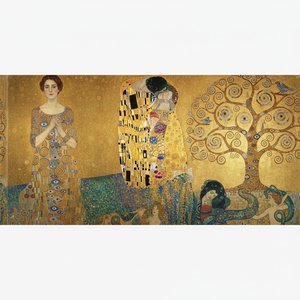
At the very heart of the Leopold Museum lies the world-renowned collection dedicated to Egon Schiele, an artist whose intensely personal and often unsettling imagery continues to captivate and challenge viewers today. With over 500 paintings and drawings—representing nearly half of his entire artistic output—the museum offers an unparalleled opportunity to trace the evolution of Schiele’s distinctive style. His figures – frequently contorted in moments of vulnerability, introspection, or raw emotion – are not merely portraits; they are windows into the anxieties, passions, and psychological complexities of a generation grappling with profound social upheaval. The collection isn't solely focused on Schiele’s darker themes; it also showcases significant masterpieces by Gustav Klimt, including iconic works that exemplify the Secessionist movement’s opulent ornamentation and symbolic language. *The Kiss*, perhaps Klimt’s most celebrated creation, embodies the era’s fascination with mythology, eroticism, and the transformative power of art—a shimmering testament to beauty, sensuality, and the enduring allure of the human form. Beyond these two titans, the museum also presents remarkable works by Oskar Kokoschka, Richard Gerstl, and other pivotal figures in Austrian art history, providing a rich and multifaceted panorama of artistic innovation during this dynamic period. The juxtaposition of their styles and approaches reveals the diverse and often conflicting currents shaping modernism within Austria.

Navigating Troubled Waters: A Commitment to Ethical Responsibility

The Leopold Museum’s story is inextricably linked to the complex and painful legacy of Nazi-looted art. Recognizing this difficult history, the museum has undertaken a courageous journey of transparency and restitution, engaging in extensive legal battles and painstaking research to repatriate artworks unjustly seized during World War II. This commitment to artistic integrity and a willingness to confront uncomfortable truths sets the Leopold Museum apart from many other institutions—demonstrating a profound understanding of its responsibilities as a custodian of cultural heritage. The case of *Portrait of Wally*, once at the center of a protracted legal dispute, exemplifies this dedication. The museum’s ongoing efforts towards restitution reflect a growing awareness within the art world of the ethical obligations surrounding cultural ownership and the imperative to acknowledge past injustices. The Leopold Museum's willingness to confront these challenging issues elevates it beyond a mere display space; it transforms it into a vital forum for dialogue, reflection, and ultimately, reconciliation.

A Living Legacy: Exhibitions and Ongoing Dialogue

The Leopold Museum is not simply a static repository of historical artifacts—it’s a vibrant cultural hub that continually evolves through its dynamic exhibition programming. Beyond the permanent collection, the museum regularly hosts temporary exhibitions that explore specific themes within Austrian modernism or delve into the work of lesser-known artists who deserve wider recognition. These curated displays offer fresh perspectives on familiar masterpieces and introduce visitors to new discoveries, fostering an ongoing dialogue between art, scholarship, and the public. The museum also actively engages with contemporary artistic practices, creating a bridge between the past and present—demonstrating the enduring relevance of Austrian modernism in today’s world. The recent exhibition series focusing on “MODERNISM NOW” highlights how these foundational artists continue to resonate with contemporary audiences and inform current artistic trends. What truly distinguishes the Leopold Museum is its holistic approach—its ability to illuminate not only individual artists but also the broader cultural trends and intellectual debates that shaped their work, offering a rich and layered experience for every visitor.

Architectural Notes & Additional Research

The museum’s architectural design, incorporating elements of the original stable building, speaks volumes about the Leopold's respect for Vienna’s heritage. The exposed brickwork and soaring ceilings evoke the grandeur of the imperial past, while the modern interior spaces—bathed in natural light—create a sense of openness and accessibility. Furthermore, the museum’s commitment to transparency is evident in its ongoing efforts to address the issue of Nazi-looted art, as documented through extensive research and legal action. The Leopold Museum continues to be a vital center for scholarship and public engagement, fostering a deeper understanding of Austrian modernism and its enduring legacy. The museum's location within Vienna’s MuseumsQuartier provides easy access to other significant cultural institutions, creating a rich tapestry of artistic experiences. Useful links include Wikipedia search for the Leopold Museum, Google Arts & Culture, and information about the Kunsthistorisches Museum and Pergamon Museum in Berlin.