A Sanctuary for the Italian Spirit: Discovering Magazzino Italian Art
Nestled within the picturesque Hudson Valley town of Cold Spring, New York, Magazzino Italian Art stands as a singular and profoundly moving testament to Italy’s vibrant artistic legacy. More than simply a museum, it's an immersive experience—a carefully curated dialogue between the raw industrial bones of its former life as a computer chip factory and the intellectual rigor and emotional depth of the art it houses. The very name, “Magazzino,” meaning “warehouse” in Italian, subtly acknowledges this transformation, hinting at the powerful rebirth taking place within its walls. Stepping inside is akin to entering a space where the echoes of industry harmonize with the profound beauty and challenging ideas presented by Postwar and Contemporary Italian art.
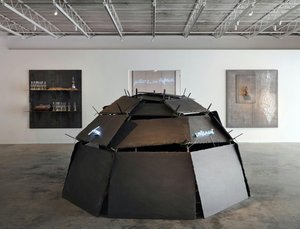
At the heart of Magazzino’s compelling narrative lies *Arte Povera*, that revolutionary movement born from the late 1960s and early 70s. Rejecting the polished, often superficial aesthetics of mainstream art at the time, *Arte Povera* artists embraced the humble materials of everyday life—wood, metal, fabric, stone, even bread and milk—transforming them into potent statements about society, politics, and the human condition. The museum’s collection is a remarkable showcase of this movement's pioneers: Jannis Kounellis, whose installations often incorporate live animals or found objects to provoke critical reflection; Luciano Fabro, known for his conceptual sculptures that grapple with themes of identity, history, and memory; and the pioneering Merz brothers, Mario and Marisa, who blurred the lines between sculpture, painting, and performance, creating evocative environments that invite deep contemplation. Beyond *Arte Povera*, Magazzino’s scope extends to embrace other pivotal Italian artists like Michelangelo Pistoletto, celebrated for his mirrored surfaces that dissolve the boundaries between viewer and artwork, inviting a deeply personal engagement; and Costantino Nivola, whose abstract architectural reliefs and sandcastings evoke both ancient traditions and futuristic visions. The museum also proudly displays the exquisite artistry of Murano glass, a Venetian tradition spanning centuries, adding another layer to Italy’s rich artistic tapestry – a testament to the enduring skill and innovation of Italian artisans.
Architecture as an Extension of Art
The architecture of Magazzino is not merely a backdrop; it's an integral component of the museum’s identity. Spanish architect Miguel Quismondo masterfully reimagined the industrial space, transforming its raw bones into 18,000 square feet of expansive yet intimate exhibition areas. Natural light floods the galleries, illuminating the textures and nuances of the artworks with a breathtaking clarity. The building's design deliberately plays with perception, creating an atmosphere that is both familiar and utterly unique. In 2023, Magazzino expanded significantly with the addition of the Robert Olnick Pavilion, designed in collaboration with Alberto Campo Baeza. This stunning new structure introduces an “isotropic cubed” gallery—a truly innovative architectural feature that challenges conventional notions of spatial orientation and offers artists unparalleled possibilities for installation, creating a dynamic interplay between form and content.
The building itself is a powerful statement about transformation and renewal, mirroring the spirit of innovation found within the art it contains. The careful use of light, space, and material—from the exposed brick walls to the polished concrete floors—contributes to a sense of both industrial heritage and contemporary elegance. The design reflects a deep understanding of how architecture can enhance and amplify the experience of art, creating a truly immersive environment for visitors.
A Living Center for Scholarship & Engagement
Magazzino Italian Art is far more than a repository for masterpieces; it’s a dynamic center dedicated to research, education, and community engagement. Founded on the principles of scholarly inquiry, the museum provides resources and programs for academics, students, and art enthusiasts alike. The founders' initial commitment to fostering dialogue with contemporary Italian artists through residencies—a practice they sustained from 2003 to 2015—continues in the museum’s dedication to supporting emerging talent and promoting critical discourse. Rotating exhibitions consistently introduce fresh perspectives on Italian art, often exploring themes that resonate with contemporary issues and inviting visitors to engage in meaningful conversations about art's role in society.
The museum’s commitment extends beyond its walls through off-site exhibitions held in locations like New York City, Washington D.C., and even Cagliari, Italy, broadening its reach and impact. Furthermore, the museum houses a research library and offers educational programs designed to deepen understanding of Italian art history and contemporary practices.
A Unique Destination for the Discerning Eye
What truly sets Magazzino Italian Art apart is its singular focus—a dedication to Postwar and Contemporary Italian art that remains surprisingly underrepresented in American institutions. This commitment, combined with its architectural innovation, a deep-seated respect for scholarship, and its serene setting in the Hudson Valley, makes Magazzino a truly unique destination for collectors, interior designers seeking inspiration, and anyone captivated by the power of artistic expression. It’s a place where you can lose yourself in the beauty and complexity of Italian art, emerging with a renewed appreciation for its enduring legacy—a legacy that continues to evolve and inspire.