Born: Around 1460 in Brno (present-day Czech Republic).
Pilgram’s early life remains somewhat obscure, but it is believed he received his initial training as a stonemason in Vienna.
In 1481, he was invited to Heilbronn, Germany, where he began his career with the construction of a chancel at the St. Kilian Church – though recent research questions his direct involvement in its design.
Development and Early Works in Swabia
Pilgram spent several years working primarily in the Swabian region of Germany, becoming familiar with both Italian and German Renaissance artistic trends.
He participated in building projects such as the St. George Church in Schwieberdingen and the St. Lawrence Chapel in Rottweil.
This period was crucial for his artistic development, exposing him to new ideas and techniques that would later influence his style.
Return to Brno and Major Commissions
Around 1495, Pilgram returned to Brno, where he established himself as a prominent sculptor and stonemason.
He worked on projects at the St. Jacob Church and created the *Judentor* (Jews’ Gate) in 1508.
Key works from this period include wooden sculptures of Saint Peter Martyr and a Dominican saint (circa 1511), and most notably, the portal of the Old City Hall (1512).
Vienna and Late Career
In 1512, Pilgram became a cathedral builder at St. Stephen’s Cathedral in Vienna.
His focus shifted towards smaller architectural forms within the cathedral complex.
He is particularly renowned for designing and constructing the cathedral pulpit (1514-1515) and various relief sculptures.
Pilgram likely died in Vienna around 1516.
Artistic Style and Influences
Pilgram is considered one of the most talented followers of Nikolaus Gerhaert of Leiden in Central Europe.
His sculptures are characterized by a high degree of individuality and move beyond purely medieval artistic conventions.
Czech art historian Albert Kutal suggests possible influences from North Italian Renaissance sculpture and the paintings of Andrea Mantegna.
Pilgram’s style blends Gothic expressiveness with emerging Renaissance naturalism, creating a unique artistic voice.
Historical Significance
Pilgram played a vital role in the transition from Late Gothic to Renaissance art in Central Europe.
His works demonstrate a growing interest in humanism and classical ideals.
He was known for his strong personality and willingness to challenge established artistic norms, asserting his individuality against guild restrictions.
Pilgram’s legacy continues to inspire artists and art historians today, solidifying his place as a significant figure in the history of European sculpture and architecture.
От редакционния екип на OriginalUniqueArt.com
Тест за изкуство
Има само един верен отговор за всеки въпрос.
Въпрос 1:
Anton Pilgram is best known for works that bridge which two artistic styles?
Въпрос 2:
Pilgram's portal is a significant landmark in which city?
Въпрос 3:
Besides sculpture, what other major artistic role did Pilgram hold later in his career?
Въпрос 4:
Which artist is cited as a significant influence on Anton Pilgram's work?
Въпрос 5:
Pilgram was described as a contentious artist. What does this suggest about his approach to his work?
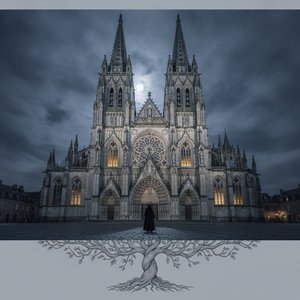
Embark on a profound journey through the spiritual intensity of Gothic art. Explore the architectural marvels, luminous stained glass, and sacred sculptures that define this era of grandeur and human devotion.
Разгледайте топ 10 легендарни бронзови скулптури, променили изкуството! От Роден до Микеланджело – истории на гении и вечни шедьоври. Вдъхновете се за вашия дом с OriginalUniqueArt.bg. Разгледайте пълната колекция онлайн!
Explore the rich history of sculpture with OriginalUniqueArt. Discover key techniques, influential artists & investment potential for discerning collectors. Expert insights into valuing and collecting timeless masterpieces.
OАсистент на студиотоНа линия · отговаря в рамките на минута
Здравейте! Мога да ви помогна с избора на произведение на изкуството, проследяването на поръчка или отговори на въпроси относно гаранцията. С какво мога да ви бъда полезен?