Преглед в реален мащаб
 Изпрати
 Сподели
 Детайли
 Ръководство

 Изтегляне
 Подобни артикули
 Рентгенова снимка
 Слайдшоу
 Въпроси и отговори
 Статистика
Dressing for the Carnival

- 50.0 x 76.0 cm


 Прочети повече
Жикле / Художествен принт
Giclée печат или принт върху платно с музейно качество, бързо производство и гъвкави опции за завършен вид. ( Купете ръчно рисувана картина Превключване към дигитално изображение)




P118B €10

P118H €10

P118W €10

P438Z €10

P508JH €12

P508YH €12

P805H €10

P805Z €10

P919BZ €10

P919G €10

P919XJ €10

P959ZH €10

P968JZ €12

W106C €8

W218G €10

W218JH €8

W218Y €10

W307PJ €10

W316G €10

W316PJ €8

W316Y €10

W398PJ €8

W4111J €10

W500HY €15

W500JH €15

W692G €12

W849H €8

W940BG €15

W953PJ €8




Изберете от нашите предварително зададени размери, които съответстват на оригиналните пропорции на произведението.

Въведете необходимата ширина и височина, за да паснат на вашата рамка или стена. Принтовете могат само да се изрязват, но никога не могат да бъдат по-големи от оригиналната картина, така че при размер с различен формат част от изображението ще бъде загубена. Преди да започнем печат, ще ви изпратим дигитален мок업 за одобрение. Изображението, показано на тази страница, не показва реалното изрязване — само мок업ът го показва.
Доставка по целия свят () в рамките на 2 седмици вместо стандартните 4/5 седмици. (8 Ноември)

Безплатна експресна доставка по целия свят

Висококачествено ленено платно

Пълно застраховане на доставката

Гаранция за възстановяване на митнически такси

Гаранция за пълно съответствие на цветовете

Политика за връщане в рамките на 100 дни (само при дефекти)

100% Гаранция за връщане на сумата

Оферта за отстъпка при поръчка на повече бройки
 Опцията със стъкло е налична само за размери под 110 см

Dressing for the Carnival
Жикле / Художествен принт
Размер на репродукцията
-


Обща цена
€ 72
A Moment of Transition: Winslow Homer’s “Dressing for the Carnival”
Winslow Homer's "Dressing for the Carnival," painted in 1877, isn’t merely a depiction of a festive gathering; it’s a poignant meditation on cultural displacement and the evolving spirit of America. This oil painting, measuring just over a foot square, immediately draws the viewer into a scene brimming with quiet anticipation – a snapshot frozen in time as a group prepares to celebrate the Fourth of July. Homer masterfully captures not the boisterous revelry often associated with such events, but rather a moment of focused preparation, imbued with a subtle undercurrent of melancholy and transformation.
The painting’s central figure is a man being adorned in elaborate costume – a Harlequin-like character reminiscent of European comic theater. Notice the deliberate layering of fabrics: strips of vibrant yellow, red, and blue are meticulously sewn onto his attire, drawing directly from African ceremonial dress and the traditions of Jonkonnu, a Caribbean festival celebrated by enslaved people in Virginia and North Carolina. This blending of influences is crucial to understanding Homer’s intent; he isn't simply portraying a party; he’s illustrating how elements of African culture were being integrated – sometimes awkwardly, sometimes with a sense of loss – into the burgeoning American identity following emancipation.
Realism in Detail: Technique and Composition
Homer’s signature Realist style is powerfully evident here. He eschews romanticized depictions, opting instead for an almost photographic level of detail. The textures of the fabrics—the rough weave of burlap, the delicate folds of silk—are rendered with astonishing accuracy. The artist's use of light and shadow creates a sense of depth and immediacy, pulling us into the scene as if we are witnesses to this intimate ritual. Observe how he subtly emphasizes the faces of the women involved in the dressing process – their expressions conveying both concentration and a quiet awareness of the historical context.
The composition itself is carefully orchestrated. The arrangement of figures—some clustered closely, others positioned further back—creates a dynamic sense of movement and interaction. A horse stands patiently in the background, adding to the lively atmosphere without dominating the scene. Homer’s strategic use of space directs our eye towards the central figure, reinforcing his importance within the narrative. The limited palette – dominated by earthy tones punctuated by bursts of color – further enhances the painting's visual impact.
Historical Context and Symbolic Weight
“Dressing for the Carnival” was originally titled “Sketch–4th of July in Virginia,” reflecting its origins during Homer’s time as an artist-correspondent documenting life in the South following the Civil War. This period was marked by profound social upheaval and a complex negotiation between Reconstruction ideals and the realities of racial inequality. The painting's creation coincided with a brief period of legal rights for African Americans, but also with widespread discrimination and violence. The inclusion of elements from Jonkonnu—a tradition rooted in African cultural heritage—highlights the displacement experienced by formerly enslaved people as they sought to maintain their traditions within a rapidly changing society.
Consider the symbolism of the Liberty Cap adorning the Harlequin figure’s head – a potent emblem of freedom and revolution. Yet, juxtaposed with the preparation for a celebratory event, it subtly suggests the ongoing struggle for true liberation. The painting isn't simply celebrating a holiday; it’s quietly acknowledging the complexities and contradictions inherent in America’s journey towards equality.
A Legacy of Observation: Relevance Today
“Dressing for the Carnival” remains remarkably relevant today, serving as a powerful reminder of the importance of cultural exchange and the enduring impact of historical events. Homer's ability to capture the essence of everyday life—and to imbue it with profound social commentary—continues to resonate with contemporary artists. The painting’s exploration of identity, displacement, and the blending of traditions offers valuable insights into our own increasingly diverse and interconnected world. It is a testament to Homer’s genius that this seemingly simple scene holds such depth and significance.
Въпроси и отговори
Каква емоция предава произведението от American Realism „Dressing for the Carnival“?
Melancholic емоцията на „Dressing for the Carnival“ допълва нейния American Realism стил.
За какво място и за каква цел се препоръчва "Dressing for the Carnival"?
„Dressing for the Carnival“ е предложена за Statement, а препоръчителното пространство е Living Room.
Налична ли е версия за изтегляне с висока резолюция на "Dressing for the Carnival"?
„Dressing for the Carnival“ е достъпна като дигитално изтегляне на изображение с висока резолюция, която може да бъде закупена директно от страницата ѝ Дигитален образ.
Биография на художника
Winslow Homer: A Brush With the American Spirit
Winslow Homer, born in Boston in 1836, wasn’t sculpted by the traditional European art academies that shaped so many of his contemporaries. Instead, he emerged from a distinctly American experience, one rooted in practicality and observation. His journey began not with grand historical canvases, but as a commercial illustrator at the tender age of twelve for Harper's Weekly. This early apprenticeship was formative, honing an exceptional ability to capture scenes with clarity and detail – skills that would become hallmarks of his mature work. He wasn’t learning perspective in Paris; he was learning to *see* America, its people, and its unfolding story. The bustling streets of Boston, the quiet dignity of rural New England life, these were his first subjects, rendered with a precision born of necessity for the demands of print media. This foundation allowed him to transition into painting, initially in watercolor, before fully embracing the expressive potential of oil paints.From Pastoral Scenes to the Raw Power of Nature
Homer’s early paintings often depicted idyllic scenes – children playing, farmers tending their fields, quiet moments of domesticity. These works, while charming, hinted at a deeper artistic sensibility waiting to be unleashed. The catalyst for this transformation was undoubtedly the Civil War. As a war correspondent for Harper's Weekly, Homer witnessed firsthand the brutal realities of conflict. He didn’t focus on heroic battles or grand strategies; instead, he documented the everyday lives of soldiers and civilians, the quiet moments of grief and resilience amidst chaos. This experience profoundly altered his artistic vision. The pastoral scenes gave way to more challenging subjects: veterans grappling with trauma, freed slaves navigating a new world, and the stark beauty of landscapes touched by hardship. He began to explore themes of struggle, isolation, and humanity’s precar He wasn't interested in imitating European styles; he wanted to create an art that was uniquely American, reflecting its landscapes, its people, and its challenges. His style also evolved, becoming bolder and more direct, reflecting the raw emotional impact of what he had witnessed. Breezing Up (A Fair Wind), painted in 1876, exemplifies this skill – a quintessential depiction of American maritime life, brimming with energy and movement. The Gulf Stream, created decades later, is perhaps his most iconic work, a powerful and symbolic portrayal of a lone man battling the forces of nature, a metaphor for human struggle against overwhelming odds. He wasn’t simply painting what he saw; he was conveying a feeling, an emotional truth about the human condition.Mastering Light, Texture, and the American Landscape
Winslow Homer's artistic technique is immediately recognizable for its solidity and texture. He wasn’t interested in fleeting impressions; he wanted to build up a sense of tangible reality on the canvas. His oil paintings are characterized by a direct painting approach – layers of paint applied with confidence, creating depth and luminosity. He possessed an extraordinary ability to capture light, whether it was the dazzling glare of the sun on the ocean or the soft glow of twilight over a rural landscape. This mastery extended to his watercolors, where he achieved remarkable atmospheric effects through vibrant colors and delicate washes. Innocence, a poignant portrayal of childhood set against the backdrop of nature, and Man of Science, demonstrating his skill in capturing human psychology, are testaments to this commitment.A Legacy Forged in American Realism
Winslow Homer's art offers a profound window into 19th-century America, providing invaluable insights into the social, political, and cultural landscape of his time. His paintings are not merely beautiful representations; they are powerful statements about human resilience, the beauty and power of nature, and the complexities of the American experience. He died in 1910, leaving behind a prolific body of work that continues to resonate with audiences today. His ability to depict America with honesty and authenticity, without romanticizing or idealizing it. He wasn’t interested in imitating European styles; he wanted to create an art that was uniquely American, reflecting its landscapes, its people, and its challenges. His influence can be seen in the work of later American painters who sought to depict their own country with similar directness and emotional depth.- His work continues to inspire contemporary artists.
- Homer remains a pivotal figure in the development of American Realism.
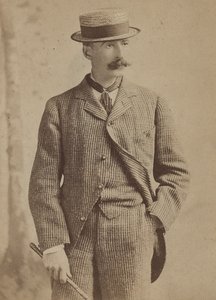
Уинслоу Хомър
1836 - 1910 , Съединени американски щати
Бърза информация
- Artistic Movement Or Style: Американски реализъм
- Artists Or Movements Influenced By This Artist: ['Американски художници']
- Artists Who Influenced This Artist:
- Барбизонската школа
- Курбет
- Милет
- Date Of Birth: Октомври 3, 1836 г.
- Date Of Death: 1910 г.
- Full Name: Winslow Homer
- Nationality: Американски
- Notable Artworks:
- Бризът
- Теченията
- Невинност
- Place Of Birth: Бостън, САЩ
Свързани статии

Топ 25 шедьовъра от Музея за изящни изкуства, Бостън: История, артисти и вдъхновение за вашия дом
Разгледайте топ 25 шедьовъра от Музея за изящни изкуства, Бостън! От импресионизма до модернизма – истории на Ван Гог, Моне и Рембранд. Вдъхновете се за вашия интериор с репродукции на картини в OriginalUniqueArt.com.

Топ 10 шедьоври на Американския реализъм: Изкуство за вашия дом от OriginalUniqueArt
Разгледайте топ 10 шедьоври на Американския реализъм – Хопър, Едуард Хомър и други. Открийте историите зад картините, техниките и емоциите им. Купете висококачествени репродукции за вашия дом в OriginalUniqueArt.com!

Grant Wood & American Regionalism: Identity, Myth & the Rural Landscape
Explore the world of Grant Wood & American Regionalism with OriginalUniqueArt. Discover the symbolism behind 'American Gothic', recurring themes, and the movement's lasting impact on art history. High-quality reproductions available.

American Regionalism: The Soul of the Heartland and the Mastery of Grant Wood
Explore the profound history of American Regionalism. Discover how Grant Wood captured the heart of the Midwest through masterpieces like American Gothic. An expert guide to the movement, its cultural impact, and the enduring beauty of American Realism.
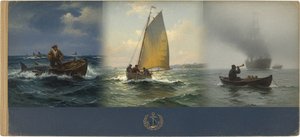
Топ 25 шедьовъра на Уинслоу Хоумър: Живопис, история и красота за вашия дом
Разгледайте топ 25 шедьовъра на Уинслоу Хоумър – американски реализъм, морски пейзажи и исторически картини. Вдъхновете се за вашия интериор с висококачествени репродукции на OriginalUniqueArt.com! Открийте цялата колекция онлайн.