

 Представи си го
 Изпрати
 Сподели
 Детайли

 Изтегляне
 Подобни
 Рентгенова снимка
 Слайдшоу
 Статистика
Boy in Blue
 Oil On Canvas
- WallArt
- American Romanticism
 1830
1830- 19th Century
 122.0 x 82.0 cm
 Прочетете повече
Закупете дигитално изображение с висока резолюция и подобрени характеристики, значително по-добро от онлайн прегледа.
Всеки файл е щателно подготвен от нашите специалисти с помощта на съвременни инструменти и експертна ръчна ретуш. Гарантираме, че всяко изображение има изключителна яснота, прецизна цветова точност и фини детайли.
Окончателният файл се доставя по имейл в рамките на 72 часа, оптимизиран за незабавна употреба в професионални, редакционни и печатни среди. Това е същото качество, на което се доверяват водещи дизайнерски студия, издатели и галерии.
Дигитално изображение
Изтеглете файл с висока резолюция за лично показване, принтиране и творчески проекти. ( Превключване към принт Купете ръчно рисувана картина)
Включено във всяка поръчка за дигитални изображения
Експресна дигитална доставка, гарантирана
Когато изберете OriginalUniqueArt.com, вие не получавате само изображение – вие получавате професионално подобрена дигитална творба, създадена с прецизност и подкрепена от гаранция за удовлетворение. Ето всичко, което автоматично се включва в вашата поръчка:

Бърза доставка по имейл
Вашето дигитално изображение с висока резолюция ще ви бъде изпратено по имейл в рамките на 72 часа от поръчката - готово за незабавно използване.

Дигитален файл с подобрено качество чрез изкуствен интелект
Вашата картина е професионално оптимизирана с помощта на усъвършенствани инструменти за изкуствен интелект и ръчна редакция, осигурявайки максимална детайлност, яснота и точност на цветовете.

Безплатна доживотна повторна доставка
Изгубили сте или сте премахнали файла си по погрешка? Не се притежнявайте – ще го изпратим отново на Вас по всяко време, безплатно.

Без такки за мито - никога
Всредите си веднага без мита, данъци или такси по доставка - дигителните приложения винаги са без данъчно освободени.

Гаранция за точност на цветовете
Гарантираме, че вашето дигитално изображение отразява оригиналните цветове възможно най-точно, използвайки професионални инструменти и управление на цветовете.

100-дневна гаранция за удовлетвореност
Ако не сте доволни от вашето дигитално изображение, ще го преработим или ще възстановим 100% от сумата в рамките на 100 дни – без излишни въпроси.

100% Гаранция за връщане на пари.
Не сте доволни? Получете пълен възврат на сумата в рамките на 100 дни от получаването на вашия цифров файл – без излишни въпроси.

Отстъпки за големи поръчки
Купете 3 изображения, спестете 10% - Купете 5, спестете 15% - Купете 10+, спестете 20%. Отлично за творчески проекти, галерии и агенства.
A Portrait of Quiet Introspection
In Winslow Homer’s Boy in Blue, the viewer is invited into a sanctuary of profound stillness. The painting presents a young boy, deeply absorbed in the pages of a book, seated upon a soft, carpeted floor. There is an immediate sense of intimacy that draws the observer inward, away from the clamor of the external world and into this private moment of discovery. The muted green backdrop serves as a gentle, atmospheric stage, allowing the vibrant yet tranquil blues of the boy's attire to command our attention. This is not merely a depiction of a child; it is an exploration of innocence and the quiet dignity found in solitary contemplation, making it a piece that resonates deeply with anyone who finds beauty in life's silent intervals.Mastery of Light and Texture
Homer’s technical prowess is on full display through his delicate handling of light and form. While his early mastery of watercolor taught him the importance of tonal subtlety, in this oil on canvas work, he achieves a remarkable luminosity that seems to radiate from within the subject. The artist directs our eyes toward the boy's face and hands, rendering these features with a precision that captures the very essence of youth and focus. Yet, there is a beautiful tension between this fine detail and his more expressive brushstrokes, which imbue the textures of the clothing and the carpet with a palpable sense of life. For the discerning collector or interior designer, this balance of meticulous detail and painterly movement offers a sophisticated visual depth that can anchor a room with both elegance and character.The Symbolism of Knowledge and Resilience
Beyond its aesthetic allure, Boy in Blue carries a weight of historical and symbolic significance. The book held by the child acts as a powerful emblem of knowledge, aspiration, and the transformative potential of learning. Created during an era of significant American transition, the painting reflects the spirit of individualism and the connection to one's inner world. The deliberate choice of blue tones evokes feelings of tranquility and introspection, mirroring the resilience required to find peace amidst a changing landscape. To possess a reproduction of this work is to bring a piece of American heritage into a modern space—a timeless reminder of the curiosity and imagination that define the human spirit.Биография на художника
Winslow Homer: A Brush With the American Spirit
Winslow Homer, born in Boston in 1836, wasn’t sculpted by the traditional European art academies that shaped so many of his contemporaries. Instead, he emerged from a distinctly American experience, one rooted in practicality and observation. His journey began not with grand historical canvases, but as a commercial illustrator at the tender age of twelve for Harper's Weekly. This early apprenticeship was formative, honing an exceptional ability to capture scenes with clarity and detail – skills that would become hallmarks of his mature work. He wasn’t learning perspective in Paris; he was learning to *see* America, its people, and its unfolding story. The bustling streets of Boston, the quiet dignity of rural New England life, these were his first subjects, rendered with a precision born of necessity for the demands of print media. This foundation allowed him to transition into painting, initially in watercolor, before fully embracing the expressive potential of oil paints.From Pastoral Scenes to the Raw Power of Nature
Homer’s early paintings often depicted idyllic scenes – children playing, farmers tending their fields, quiet moments of domesticity. These works, while charming, hinted at a deeper artistic sensibility waiting to be unleashed. The catalyst for this transformation was undoubtedly the Civil War. As a war correspondent for Harper's Weekly, Homer witnessed firsthand the brutal realities of conflict. He didn’t focus on heroic battles or grand strategies; instead, he documented the everyday lives of soldiers and civilians, the quiet moments of grief and resilience amidst chaos. This experience profoundly altered his artistic vision. The pastoral scenes gave way to more challenging subjects: veterans grappling with trauma, freed slaves navigating a new world, and the stark beauty of landscapes touched by hardship. He began to explore themes of struggle, isolation, and humanity’s precar He wasn't interested in imitating European styles; he wanted to create an art that was uniquely American, reflecting its landscapes, its people, and its challenges. His style also evolved, becoming bolder and more direct, reflecting the raw emotional impact of what he had witnessed. Breezing Up (A Fair Wind), painted in 1876, exemplifies this skill – a quintessential depiction of American maritime life, brimming with energy and movement. The Gulf Stream, created decades later, is perhaps his most iconic work, a powerful and symbolic portrayal of a lone man battling the forces of nature, a metaphor for human struggle against overwhelming odds. He wasn’t simply painting what he saw; he was conveying a feeling, an emotional truth about the human condition.Mastering Light, Texture, and the American Landscape
Winslow Homer's artistic technique is immediately recognizable for its solidity and texture. He wasn’t interested in fleeting impressions; he wanted to build up a sense of tangible reality on the canvas. His oil paintings are characterized by a direct painting approach – layers of paint applied with confidence, creating depth and luminosity. He possessed an extraordinary ability to capture light, whether it was the dazzling glare of the sun on the ocean or the soft glow of twilight over a rural landscape. This mastery extended to his watercolors, where he achieved remarkable atmospheric effects through vibrant colors and delicate washes. Innocence, a poignant portrayal of childhood set against the backdrop of nature, and Man of Science, demonstrating his skill in capturing human psychology, are testaments to this commitment.A Legacy Forged in American Realism
Winslow Homer's art offers a profound window into 19th-century America, providing invaluable insights into the social, political, and cultural landscape of his time. His paintings are not merely beautiful representations; they are powerful statements about human resilience, the beauty and power of nature, and the complexities of the American experience. He died in 1910, leaving behind a prolific body of work that continues to resonate with audiences today. His ability to depict America with honesty and authenticity, without romanticizing or idealizing it. He wasn’t interested in imitating European styles; he wanted to create an art that was uniquely American, reflecting its landscapes, its people, and its challenges. His influence can be seen in the work of later American painters who sought to depict their own country with similar directness and emotional depth.- His work continues to inspire contemporary artists.
- Homer remains a pivotal figure in the development of American Realism.
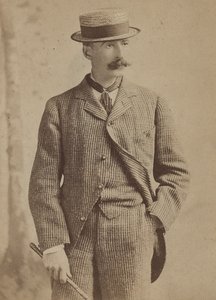
Уинслоу Хомър
1836 - 1910 , Съединени американски щати
Бързи факти
- Artistic Movement Or Style: Американски реализъм
- Artists Or Movements Influenced By This Artist: ['Американски художници']
- Artists Who Influenced This Artist:
- Барбизонската школа
- Курбет
- Милет
- Date Of Birth: Октомври 3, 1836 г.
- Date Of Death: 1910 г.
- Full Name: Winslow Homer
- Nationality: Американски
- Notable Artworks:
- Бризът
- Теченията
- Невинност
- Place Of Birth: Бостън, САЩ