

 Представи си го
 Изпрати
 Сподели
 Детайли

 Изтегляне
 Подобни
 Рентгенова снимка
 Слайдшоу
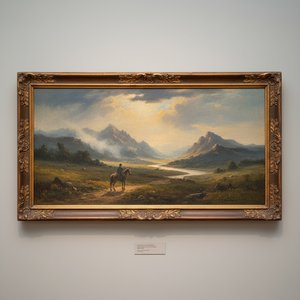
Cottages By A River

 Прочетете повече
Ръчно изработена маслена репродукция
Ръчно рисувана маслена картина върху платно във вашия размер и рамка, изработена по поръчка от нашите художници. ( Превключване към печат Превключване към изображение)




































Изберете от предварително зададените размери, които съответстват на оригиналните пропорции на произведението.

Можете да въведете свои собствени размери, за да пасне на конкретна рамка или пространство. Ако избраният от вас размер не съответства на пропорциите на оригиналното изображение, ние ще изрежем произведението или ще удължим картината с допълнителни ръчно рисувани елементи. Дигитален макет ще бъде изпратен за ваше одобрение преди започване на производството.
Моля, обърнете внимание, че прегледът на екрана не отразява действителното изрязване или разширяване. Само макетът ще покаже точно финалния състав.
Въпреки че са налични персонализирани размери, препоръчваме да изберете размер от предварително дефинирания списък, за да запазите оригиналните пропорции.
След поръчка, екипът на OriginalUniqueArt.com ще изпрати имейл на клиента за инструкции и ще предостави преглед на макет.
Доставка по целия свят () в рамките на 3/4 седмици вместо стандартните 5 седмици. (10 Август). Без компромис с качеството.

Безплатна експресна доставка по целия свят

Висококачествено ленено платно

Пълно застраховане при доставка

Гаранция за възстановяване на митнически такси

Гаранция за цветова точност

60-Дневен период за връщане (Само при дефекти)

100% Гаранция за връщане на парите

Предложение за отстъпка при поръчка на едро
 Стъклото е налично само в размери под 110 см

Cottages By A River
Репродукционен метод
Размер на репродукцията
-


Обща цена
$ 325
Биография на художника
The Romantic Visionary of Classical Landscape
William Linton, born in the maritime atmosphere of Liverpool in 1791, emerged as a pivotal figure in British landscape painting during the Victorian era—a period defined by a profound fascination with both scientific observation and idealized beauty. His artistic journey began not with the grand gestures of a master, but through the humble and disciplined practice of copying the works of legends like Claude Lorrain and Richard Wilson. These early encounters were transformative, instilling in Linton a deep-seated appreciation for the interplay of natural light and the sweeping grandeur of panoramic compositions. This foundational period shaped his distinctive style, allowing him to weave classical sensibilities into the fabric of 19th-century Romanticism.
Linton’s connection to the natural world was deeply rooted in his formative years spent amidst the picturesque landscapes of Lancaster and Cartmel. His education at Windermere School fostered a lifelong intimacy with the serene, mist-covered vistas of the Yorkshire Dales and the Lake District. While he initially pursued a career in the merchant’s trade—a vocation he found spiritually unfulfilling—his innate talent for visual representation eventually compelled him to dedicate himself fully to the pursuit of art. This transition from commerce to creativity marked the beginning of a prolific career that would see him become a mainstay of the London art scene.
A Journey Through Light and Atmosphere
As his reputation grew, Linton became a regular presence at the Royal Academy and the British Institution, exhibiting his works from 1817 onwards. His subject matter often drew from the rugged beauty of Scotland and Northern England, where he captured scenes imbued with an atmospheric grandeur that reflected the prevailing Romantic sensibility. However, it was his travels through Italy between 1828 and 1829 that perhaps most significantly expanded his artistic vocabulary. During these extensive sketching expeditions, Linton absorbed the sun-drenched textures and classical ruins of the Mediterranean, producing a substantial collection of drawings that would later serve as the blueprint for his monumental oil paintings.
His ability to blend historical reverence with naturalistic detail allowed him to create landscapes that felt both grounded in reality and elevated by fantasy. Whether depicting the dramatic coastal fortresses of Positano or the serene, pastoral charm of an Italianate Landscape populated by peasants and livestock, Linton utilized a masterful command of light to evoke emotion. His works often feature:
- Classical Grandeur: A focus on architectural elements and ruins that suggest the weight of history.
- Atmospheric Depth: The use of soft, hazy horizons and dramatic shadows to create a sense of infinite space.
- Textural Richness: Detailed rendering of geological formations, water, and foliage to ground his idealized scenes in tactile reality.
Legacy and Artistic Leadership
Beyond his individual canvases, Linton was a vital architect of the British art community. His commitment to fostering innovation and collaboration led him to play a crucial role in the establishment of the Society of British Artists in 1823-1824. His leadership qualities were formally recognized when he served as the society's president in 1837, a testament to the respect he commanded among his peers. Through this role, he helped create a platform for emerging artists to navigate the complexities of the Victorian art market.
The historical significance of William Linton lies in his ability to bridge the gap between the classical traditions of the past and the burgeoning Romanticism of his era. He did not merely record landscapes; he reimagined them, infusing the rugged terrain of the English Lakes and the sun-soaked coasts of Italy with a sense of poetic timelessness. Today, his legacy survives in collections such as the Tate, where his works continue to invite viewers into a world of architectural fantasy and sublime natural beauty, reminding us of a time when the canvas was a window into the eternal.

William Linton
1791 - 1876 , United Kingdom
Бързи факти
- Artistic Movement Or Style: Classical Landscape
- Artists Or Movements Influenced By This Artist: ['Turner']
- Artists Who Influenced This Artist:
- Claude Lorrain
- Richard Wilson
- Claude-Joseph Vernet
- Date Of Birth: Liverpool, United Kingdom (1791)
- Date Of Death: 1876
- Full Name: William Linton
- Nationality: British
- Notable Artworks:
- The Albanian Mountains With Corfu In The Distance
- Horses In A Pasture At Dawn
- Figures By A Cottage; And A Cottage In A Landscape
- Place Of Birth: Liverpool
Всички статии
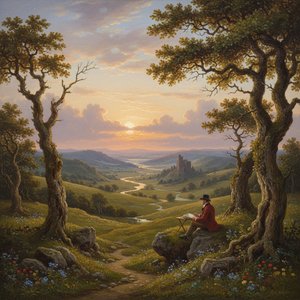
John Varley I: Intimate Observation & the British Romantic Landscape
Explore the serene landscapes of John Varley I, a key figure in British Romanticism. Discover his unique watercolour style, collaboration with William Blake & lasting artistic legacy. Learn about collecting Varley's work.
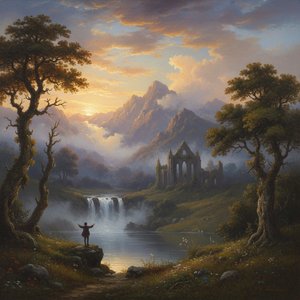
Evoking Emotion & Transcendence: Romantic Landscape Painting (18th-19th Century)
Explore the emotional depth of Romantic landscape painting (18th-19th century). Discover key artists like Friedrich & Cole, and the concepts of the sublime. Expert insights for art lovers & collectors.
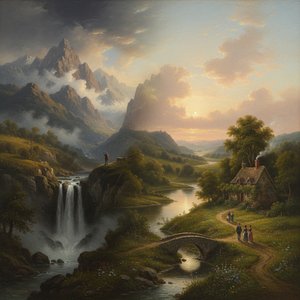
The Sublime and the Picturesque: Exploring Emotion & Nature in Romantic Landscape Painting
Explore the emotional power of Romantic landscape painting! Discover the sublime & picturesque aesthetics, key artists like Friedrich & Cole, and lasting influence on art history. Find your perfect piece at OriginalUniqueArt.
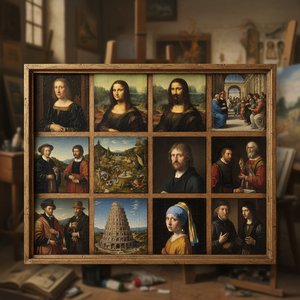
Топ 10 шедьоври в масло върху дърво, променили изкуството завинаги | OriginalUniqueArt.com
Открийте 10 легендарни шедьоври в масло върху дърво, променили изкуството завинаги! Разгледайте историите на Ван Ейк, Бош и други майстори. Луксозни репродукции за вашия дом – OriginalUniqueArt.com
Anthony Vandyke Copley Fielding: Rediscovering a Master of Romantic Landscape
Discover the captivating landscapes of Anthony Vandyke Copley Fielding, a master of Romantic watercolour painting. Explore his life, technique, and legacy with OriginalUniqueArt – your source for museum-quality art reproductions & expert appraisal.

