
 Представи си го
 Изпрати
 Сподели
 Детайли

 Изтегляне
 Подобни
 Рентгенова снимка
 Слайдшоу
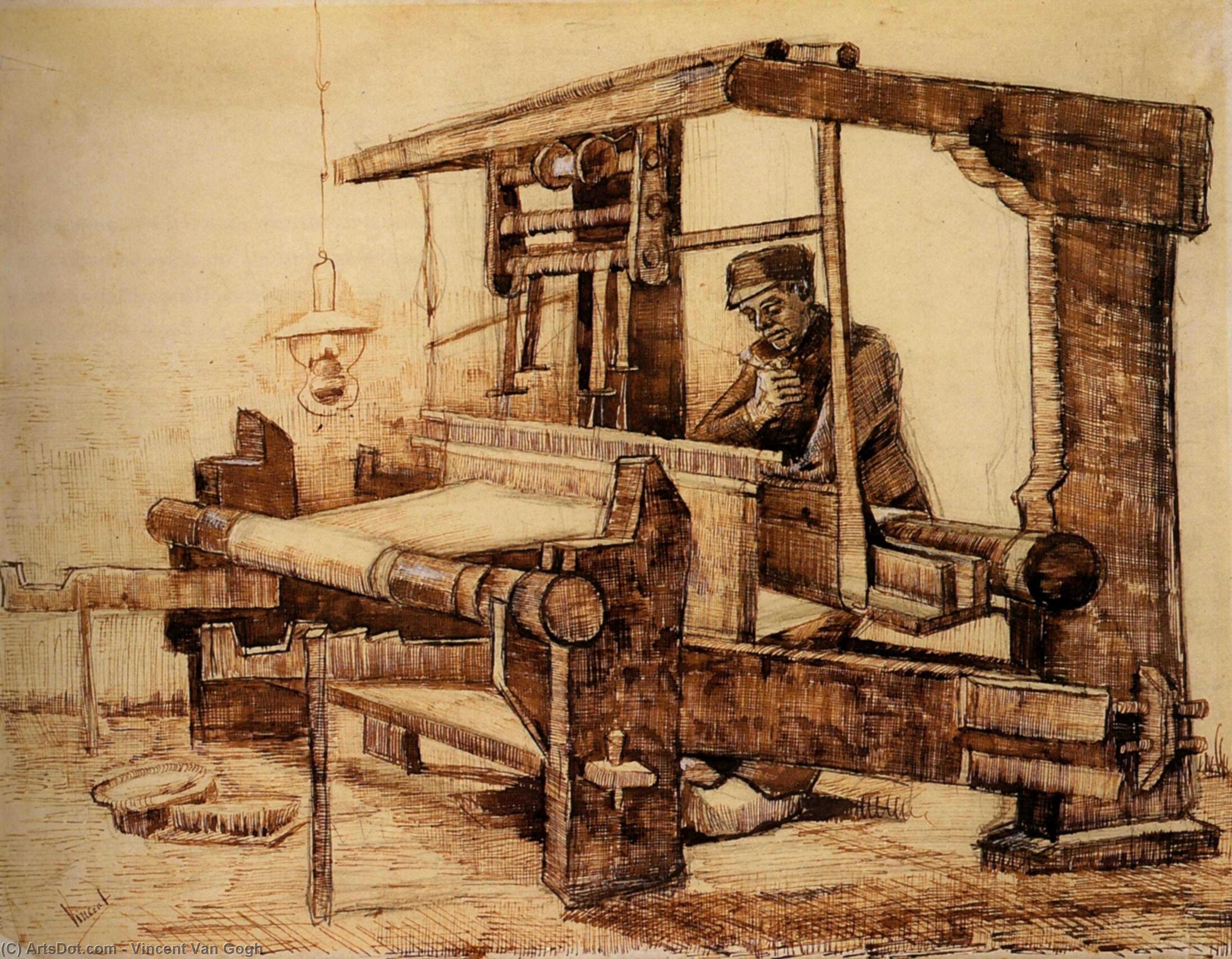
Weaver


 Прочетете повече
Закупете дигитално изображение с висока резолюция и подобрени характеристики, значително по-добро от онлайн прегледа.
Всеки файл е щателно подготвен от нашите специалисти с помощта на съвременни инструменти и експертна ръчна ретуш. Гарантираме, че всяко изображение има изключителна яснота, прецизна цветова точност и фини детайли.
Окончателният файл се доставя по имейл в рамките на 72 часа, оптимизиран за незабавна употреба в професионални, редакционни и печатни среди. Това е същото качество, на което се доверяват водещи дизайнерски студия, издатели и галерии.
Дигитално изображение
Изтеглете файл с висока резолюция за лично показване, принтиране и творчески проекти. ( Купете принт Купете ръчно рисувана картина)
Включено във всяка поръчка за дигитални изображения
Експресна дигитална доставка, гарантирана
Когато изберете OriginalUniqueArt.com, вие не получавате само изображение – вие получавате професионално подобрена дигитална творба, създадена с прецизност и подкрепена от гаранция за удовлетворение. Ето всичко, което автоматично се включва в вашата поръчка:

Бърза доставка по имейл
Вашето дигитално изображение с висока резолюция ще ви бъде изпратено по имейл в рамките на 72 часа от поръчката - готово за незабавно използване.

Дигитален файл с подобрено качество чрез изкуствен интелект
Вашата картина е професионално оптимизирана с помощта на усъвършенствани инструменти за изкуствен интелект и ръчна редакция, осигурявайки максимална детайлност, яснота и точност на цветовете.

Безплатна доживотна повторна доставка
Изгубили сте или сте премахнали файла си по погрешка? Не се притежнявайте – ще го изпратим отново на Вас по всяко време, безплатно.

Без такки за мито - никога
Всредите си веднага без мита, данъци или такси по доставка - дигителните приложения винаги са без данъчно освободени.

Гаранция за точност на цветовете
Гарантираме, че вашето дигитално изображение отразява оригиналните цветове възможно най-точно, използвайки професионални инструменти и управление на цветовете.

Гаранция за удовлетвореност от 60 дни
Ако не сте доволни от вашето дигилно изображение, ще го коригираме или ще възмедим 100% в рамките на 60 дни – без никакви въпроси.

100% Гаранция за връщане на пари.
Не сте удовлетворени? Получавате пълно възстановяване на сумата в рамките на 60 дни след получаването на вашия цифров файл – без никакви въпроси.

Отстъпки за големи поръчки
Купете 3 изображения, спестете 10% - Купете 5, спестете 15% - Купете 10+, спестете 20%. Отлично за творчески проекти, галерии и агенства.
Описание на колекционерския предмет
The Painting: A Detailed Analysis
The painting "Weaver" is a black and white drawing created in 1884 using ink. It depicts a man working on a loom in a workshop, surrounded by various objects that add depth to the scene. The man wears a hat and sits at the loom, which is positioned centrally in the image. Two other figures are visible in the background, one standing closer to the left side and another further back on the right side. The workshop is filled with several objects, including a bowl near the bottom left corner and a cup towards the top right corner. Notably, there are two clocks in the scene: one above the loom and another further back on the right side. These details reflect Van Gogh's attention to realism and his ability to capture everyday life.
Artistic Style and Technique
Van Gogh was known for his innovative use of color and bold brushstrokes, but in "Weaver," he opted for a more subdued approach using ink. This choice allows the viewer to focus on the intricate details and textures within the scene. The drawing showcases Van Gogh's skill in creating depth and dimension through shading and line work.
Inspiration and Context
During his time in Nuenen, Netherlands, Van Gogh was inspired by the local weavers and their traditional crafts. He often visited workshops to observe and sketch the weavers at work. This series of paintings reflects his admiration for the hardworking people who maintained these ancient traditions.
Relevance and Legacy
"Weaver" is part of a larger collection of Van Gogh's works that highlight the lives of ordinary people engaged in their daily activities. These paintings not only capture the essence of realism but also serve as a testament to the artist's empathy for his subjects. Today, Van Gogh’s "Weaver" can be found in various museums and collections around the world.
- Realism: A style of art that focuses on depicting subjects in a realistic manner.
- Ink: A medium used for drawing and painting.
- Weaver: A person who operates a loom to create fabric.
Биография на художника
A Life Painted in Emotion: The World of Vincent van Gogh
Vincent Willem van Gogh, a name synonymous with artistic passion and turbulent genius, remains one of the most recognizable and beloved figures in Western art history. Born on March 30, 1853, in Groot-Zundert, Netherlands, his journey was not one of immediate acclaim but rather a slow burn of dedication, struggle, and ultimately, profound influence. The eldest of six children born to a Protestant minister, Theodorus van Gogh, Vincent’s early life was steeped in religious contemplation, a sensibility that would subtly permeate much of his later work. Though he displayed an inclination towards drawing from a young age, his path wasn't immediately clear; he explored various vocations – art dealer, teacher, and missionary – before fully embracing the artist’s life. These experiences, though seemingly disparate, proved formative, instilling in him a deep empathy for the working class and a profound sense of spiritual seeking that would become hallmarks of his artistic vision. Early influences included the Dutch Masters like Rembrandt van Rijn and Frans Hals, whose masterful use of light and shadow resonated with young Vincent, as well as contemporary French painters Jean-François Millet and Camille Corot, who depicted scenes of rural life with a poignant realism.From Darkness to Light: Artistic Development and Style
Van Gogh’s serious engagement with painting began around 1880, largely self-taught, driven by an inner compulsion to express the world as he perceived it. His initial works reflected his compassion for the marginalized, focusing on the lives of peasants and laborers – exemplified in pieces like The Potato Eaters. These early paintings are characterized by dark, earthy tones and a raw, almost brutal honesty that sought to capture the hardship and dignity of rural existence. The figures in *The Potato Eaters* aren’t idealized; they're depicted with a stark realism, emphasizing their toil and weariness – a deliberate choice reflecting Van Gogh’s desire to honor the dignity of these working-class individuals. A pivotal moment arrived with his move to Paris in 1886, where he was exposed to the vibrant world of Impressionism and Post-Impressionism. This encounter proved transformative, injecting brighter colors into his palette and encouraging experimentation with new techniques. He absorbed the lessons of artists like Monet, Renoir, and Pissarro, but never fully adopted their style; instead, he forged a path uniquely his own. His brushstrokes became looser, more expressive, and he began to explore the possibilities of color in ways that were radically different from traditional academic painting. He wasn’t simply copying what he saw; he was attempting to capture *how* he felt about what he saw – the emotional resonance of a scene, the intensity of light, the weight of human experience.Periods of Intensity: Key Works and Artistic Phases
Van Gogh's artistic journey can be broadly divided into distinct periods, each marked by unique characteristics and significant works. The Dutch Period (1880-1886), as mentioned, was defined by somber tones and depictions of peasant life – scenes of rural labor, simple interiors, and portraits of ordinary people. These paintings were often characterized by a limited palette and a restrained style, reflecting Van Gogh’s initial attempts to master the technical aspects of painting. The subsequent Parisian Period (1886-1888) saw a dramatic shift towards brighter colors and experimentation with Impressionist techniques. He was particularly influenced by the work of Toulouse-Lautrec and Edgar Degas, whose depictions of urban life sparked his interest in capturing the energy and dynamism of modern cityscapes. However, it was during the Arles Period (1888-1889), in the south of France, that Van Gogh reached a peak of creative intensity. Surrounded by the radiant light and vibrant landscapes of Provence, he produced some of his most iconic works: Sunflowers, a series celebrating the beauty and vitality of nature; *The Night Café*, a claustrophobic depiction of a dimly lit Parisian café, conveying a sense of isolation and despair; and *Starry Night Over the Rhône*, capturing the shimmering reflections of city lights on the water. These paintings are not merely depictions of scenes; they are emotional landscapes, pulsating with life and imbued with a sense of longing. His use of color became increasingly bold and expressive, employing complementary colors to create dramatic contrasts and heighten the intensity of his compositions. His distinctive brushwork – short, thick strokes applied in swirling patterns – added a dynamic quality to his paintings, conveying movement and energy.A Legacy Forged in Suffering: Achievements and Historical Significance
Despite facing rejection and struggling with mental illness throughout his life, Van Gogh created over 2,100 artworks in just over a decade—approximately 860 oil paintings. This astonishing output is testament to his unwavering dedication and relentless creative drive. Remarkably, during his lifetime, only one painting – The Red Vineyard – was sold. Recognition came posthumously, slowly at first, then with increasing momentum in the early 20th century. His work profoundly influenced the development of modern art, particularly Expressionism and Fauvism, inspiring artists to prioritize emotional expression over realistic representation. His bold use of color, distorted forms, and expressive brushwork paved the way for new artistic possibilities. Today, Van Gogh’s paintings are among the most recognizable and valuable artworks in the world, commanding record prices at auction and drawing millions of visitors to museums worldwide. But his legacy extends far beyond monetary value; he remains a cultural icon, representing the archetype of the “tortured artist” – though this narrative often overshadows his skill, dedication, and artistic vision. The Van Gogh Museum in Amsterdam stands as a testament to his enduring influence, showcasing his work and celebrating his life for generations to come. His art continues to resonate with audiences because it speaks to universal human experiences—love, loss, hope, despair—with an honesty and vulnerability that transcends time and culture.- Major Influences: Dutch Masters (Rembrandt, Hals), Millet, Corot.
- Key Periods: Dutch, Parisian, Arles, Saint-Rémy/Auvers-sur-Oise.
- Notable Works: The Potato Eaters, Sunflowers, Starry Night, The Night Café.
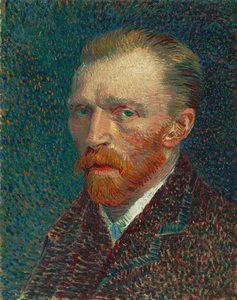
vincent willem van gogh
1853 - 1890 , Нидерландия
Бързи факти
- Artistic Movement Or Style: Пост-импресионизъм
- Artists Or Movements Influenced By This Artist:
- Експресионизъм
- Фовизъм
- Artists Who Influenced This Artist:
- Рембранд
- Жан-Франсуа Милет
- Date Of Birth: 30 март 1853
- Date Of Death: 29 юли 1890
- Full Name: Vincent Willem van Gogh
- Nationality: Нидерландски
- Notable Artworks:
- Селско стопанство
- Слънчогледи
- Звездна нощ
- Place Of Birth: Зюндерт, Нидерландия

