Преглед в реален мащаб
 Изпрати
 Сподели
 Детайли
 Ръководство

 Изтегляне
 Подобни артикули
 Рентгенова снимка
 Слайдшоу
 Q&A
Q&A Статистика
Skull


 Прочети повече
Жикле / Художествен принт
Giclée печат или принт върху платно с музейно качество, бързо производство и гъвкави опции за завършен вид. ( Купете ръчно рисувана картина Превключване към дигитално изображение)




P118B €10

P118H €10

P118W €10

P438Z €10

P508JH €12

P508YH €12

P805H €10

P805Z €10

P919BZ €10

P919G €10

P919XJ €10

P959ZH €10

P968JZ €12

W106C €8

W218G €10

W218JH €8

W218Y €10

W307PJ €10

W316G €10

W316PJ €8

W316Y €10

W398PJ €8

W4111J €10

W500HY €15

W500JH €15

W692G €12

W849H €8

W940BG €15

W953PJ €8




Изберете от нашите предварително зададени размери, които съответстват на оригиналните пропорции на произведението.

Въведете необходимата ширина и височина, за да паснат на вашата рамка или стена. Принтовете могат само да се изрязват, но никога не могат да бъдат по-големи от оригиналната картина, така че при размер с различен формат част от изображението ще бъде загубена. Преди да започнем печат, ще ви изпратим дигитален мок업 за одобрение. Изображението, показано на тази страница, не показва реалното изрязване — само мок업ът го показва.
Доставка по целия свят () в рамките на 2 седмици вместо стандартните 4/5 седмици. (30 Октомври)

Безплатна експресна доставка по целия свят

Висококачествено ленено платно

Пълно застраховане на доставката

Гаранция за възстановяване на митнически такси

Гаранция за пълно съответствие на цветовете

Политика за връщане в рамките на 100 дни (само при дефекти)

100% Гаранция за връщане на сумата

Оферта за отстъпка при поръчка на повече бройки
 Опцията със стъкло е налична само за размери под 110 см

Skull
Жикле / Художествен принт
Размер на репродукцията
-


Обща цена
€ 71
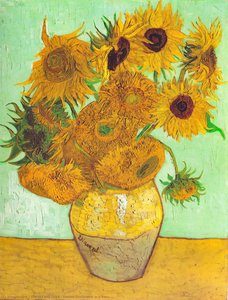
A Silent Echo: Vincent van Gogh’s “Skull”
Vincent van Gogh's "Skull," painted in 1887, isn’t merely a depiction of bone and shadow; it’s a profound meditation on mortality, fragility, and the very essence of human existence. This intimate oil-on-canvas work, housed within the collections of museums worldwide including the Van Gogh Museum in Amsterdam, offers a glimpse into the artist's intensely personal world – a world grappling with illness, loss, and an urgent need to capture the fleeting beauty of life. The painting’s stark simplicity belies its complex emotional resonance, inviting viewers to contemplate the transient nature of all things.
The scene is deceptively straightforward: a weathered skull rests against a backdrop of vibrant yellow – a color that simultaneously radiates warmth and hints at decay. Van Gogh masterfully employs a palette dominated by earthy browns and muted greens, creating an organic feel that anchors the skull within a landscape of natural cycles. Notice how he doesn’t shy away from the imperfections of the bone; cracks and fissures are rendered with meticulous detail, suggesting not just age but also the ravages of time and the inevitable process of decomposition. This isn't a sanitized representation of death; it’s an honest confrontation with its reality.
Post-Impressionist Techniques: A Dance of Color and Texture
“Skull” is a quintessential example of Van Gogh’s Post-Impressionist style, characterized by bold colors, expressive brushstrokes, and a deliberate rejection of traditional academic techniques. The artist's signature impasto – thick layers of paint applied directly to the canvas – creates a palpable sense of texture and movement. Observe how the brushwork seems to writhe across the surface, conveying not just the physical form of the skull but also the emotional turmoil within Van Gogh himself. He uses short, choppy strokes to define the contours of the bone, contrasting them with broader, more fluid strokes in the background, suggesting a dynamic interplay between stillness and decay.
The strategic use of color is particularly noteworthy. The yellow isn’t simply a backdrop; it pulsates with an almost unsettling energy, hinting at life force struggling against the inevitable decline. Van Gogh's masterful manipulation of light and shadow creates a dramatic chiaroscuro effect, intensifying the skull’s presence and drawing the viewer’s eye to its stark beauty. The subtle variations in tone – from deep browns to pale yellows – contribute to the painting’s overall sense of depth and realism.
Symbolism and the Weight of Mortality
Throughout his oeuvre, Van Gogh frequently employed skulls as symbols of mortality and the transience of life. In “Skull,” this symbolism is powerfully conveyed through the juxtaposition of the decaying bone against the vibrant yellow background. The skull represents not just death but also the inevitable end of all earthly pursuits – a poignant reminder of our own vulnerability. However, the painting isn’t solely focused on despair; the bright yellow suggests a glimmer of hope, a recognition that even in the face of mortality, beauty and vitality can still be found.
Some art historians interpret the skull as a reflection of Van Gogh's own struggles with mental illness. The painting could be seen as an attempt to grapple with his own feelings of isolation, despair, and impending doom. Yet, despite the underlying melancholy, “Skull” possesses a strange dignity – a quiet acceptance of fate that speaks to the artist’s profound sensitivity and artistic vision. It's a testament to Van Gogh's ability to transform personal suffering into universal themes.
Van Gogh’s Legacy: An Enduring Influence
Vincent van Gogh’s impact on the art world is immeasurable. His bold experimentation with color, brushstroke, and subject matter paved the way for movements like Expressionism and Fauvism, profoundly influencing generations of artists. “Skull,” in its raw emotional honesty and technical brilliance, stands as a powerful example of Van Gogh's unique artistic voice – a voice that continues to resonate with audiences today.
If you’re captivated by this evocative masterpiece, OriginalUniqueArt offers meticulously crafted hand-painted reproductions of "Skull," allowing you to bring this iconic work into your own space. Explore our collection at OriginalUniqueArt and experience the power of Van Gogh’s vision firsthand. For further exploration, consider visiting the Van Gogh Museum in Amsterdam (Vangoghmuseum.nl) or the Rijksmuseum in Amsterdam (Rijksmuseum.nl), where you can immerse yourself in the world of this extraordinary artist.
Въпроси и отговори
Кой е създал "Skull" и кога?
Авторът на „Skull“ е Винсент Ван Гог, а произведението датира от 1887 г.
„Skull“ на Винсент Ван Гог портретна, пейзажна или квадратна композиция ли е?
Форматът на „Skull“ е Портретна ориентация. Това е полезно при планирането на мястото, където ще бъде поставена репродукцията.
Може ли изображението на „Skull“ на Винсент Ван Гог да се репродуцира свободно?
Статусът на авторското право за „Skull“ на Винсент Ван Гог: произведението е в обществено достояние – авторското право е изтекло. Това определя дали могат да се правят свободно репродукции на изображението.
Биография на художника
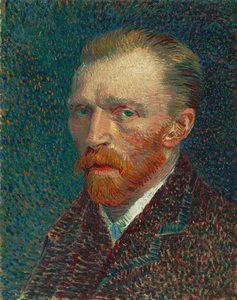
Живот, изрисуван с любов: Винсент ван Гог
Винсент Вилем ван Гог – име, което е синоним на жизнеагресивни цветове и сурова емоция – остава една от най-разпознаваемите и обичани фигури в историята на изкуството. Роден на 30 март 1853 г. в Зюндерт, Нидерландия, неговият път от неспокоен млад мъж, търсещ смисъл, до артистичен визионер е трогателна история за отдаденост, борба и, в крайна сметка, вечно наследство. Въпреки че приживе е постигнал малко търговски успех – продавайки само една картина, „Червената лоза“, преди смъртта си – влиянието на Ван Гог върху модерното изкуство е неизмеримо, проправяйки път на експресионизма и вдъхновявайки безброй последователи. Неговата история не е само за мазки и платно; тя е свидетелство за силата на човешкото изразяване пред лицето на невзгодите.
Ранни години и артистично пробуждане
Ранният живот на Ван Гог е белязан от поредица от нереализирани стремежи. Той опитва различни професии – търговец на изкуство, учител и дори мисионер – преди най-накрая да се посвети на живописта на сравнително късната възраст от 27 години. Тези ранни преживявания дълбоко оформят неговото мирогледно и намират своето отражение в творчеството му. Първите му произведения, изобразяващи сцени от селския живот в провинциална Белгия, отразяват дълбока емпатия към работническия клас и тъмна палитра, предаваща техните трудности. Под влиянието на художници като Жан-Франсоа Миле, Ван Гог се стреми да улови достойнството и устойчивостта на тези хора чрез суров реализъм. Въпреки това, именно преместването му в Париж през 1886 г. се оказва трансформиращо. Там той се сблъсква с импресионизма и постъимпресионизма, попивайки техниките на майстори като Моне, Ренуар и Писаро. Това преживяване разширява артистичте му хоризонти, водейки го към експерименти с по-ярки цветове и по-свободни мазки, запазвайки обаче отчетлива емоционална интензивност, която липсва у много от неговите съвременници. Неговият брат Тео, търговец на изкуство, играе решаваща роля през този период, осигурявайки финансова подкрепа и действайки като жизненоважна връзка с парижкия свят на изкуството. Тяхната обширна кореспонденция предлага безценни прозрения в артистичното развитие и личните борби на Ван Гог.
Южното светлина и експлозивна креативност
Търсейки по-живописен пейзаж и чувство за обновление, Ван Гог се преселва в Арл, в южна Франция, през 1888 г. Това преместване бележи период на интензивно творчество, характеризиращ се с експлозия от цвят и специфична техника на импасто – нанасяне на гъста боя върху платното, което създава текстурирана повърхност, която сякаш пулсира с енергия. Тук той създава някои от своите най-емблематични творби: „Слънчогледи“, „Нощно кафене“ и „Звездна нощ“. Интензивното слънце на Прованс сякаш разпалва въображението му, водейки го към изобразяване на пейзажи и натюрморти с безпрецедентна жизненост. Желанието му за артистична колаборация го кара да покани Пол Гоген да се присъедини към него в Арл, с надеждата да създаде утопична колония за художници. Въпреки това, техният взаимоотношения се оказват бурни, кулминиращи в драматичен конфликт, който завършва с самонараняването на ухото на Ван Гог. Това събитие подчертава крехкостта на неговото психично състояние и бележи началото на период на институционализация и нарастващо психологическо неспокойствие.
Потни години и вечно наследство
След нервния си срив, Ван Гог доброволно влиза в психиатрична болница в Сен-Реми, където продължава да рисува изобилно, улавяйки околните пейзажи както с красота, така и с вътрешен раздразнение. Творби като „Звездна нощ“, нарисувана по това време, са изпълнени с чувство за космическо чудо и дълбока емоционална дълбочина. По-късно той се премества в Овер-сюр-Уаз под грижите на д-р Пол Гаше, но борбите му продължаване. На 29 юли 1890 г., на 37 години, Ван Гог трагично умира от смъртна рана от огнестрелно оръжие, нанесена от самия него. Въпреки че постига малко признание приживе, неговата работа започва да печели посмъртна слава, благодарение предимно на неуморните усилия на неговата невестка, Йохана ван Гог-Бонгер, която наследява имуществото му и се посвещава на популяризирането на неговото изкуство. Днес картините на Ван Гог се прославят по целия свят заради своята емоционална интензивност, иновативни техники и вечна красота. Неговото наследство се простира далеч отвъд платното; той се превърна в символ на артистичната страст, упоритостта пред невзгодите и силата на изкуството да изразява най-дълбоките човешки емоции.
Ключови влияния и артистично развитие
- Ранен реализъм: Изображенията на селския живот от Жан-Франсоа Миле повлияват на ранните творби на Ван Гог.
- Импресионизъм и постъимпресионизъм: Сблъсъкът с Моне, Ренуар, Писаро и други в Париж разширява неговата палитра и техника.
- Японски гравюри: Ван Гог е дълбоко повлиян от японските дърворезни гравюри, които колекционира със страст. Тяхната смела композиция и равни цветови плоскости влияят на неговия собствен стил.
- Емоционално изразяване: Пред всичко, Ван Гог се стреми да предаде емоция чрез своето изкуство, поставяйки субективния опит пред обективното представяне. Този фокус върху емоционалната интензивност се превръща в определяща характеристика на неговата работа и проправя път на експресионизма.
Винсент Ван Гог
1853 - 1890 , Нидерландия
Бърза информация
- Artistic Movement Or Style: Пост-импресионизъм
- Artists Or Movements Influenced By This Artist:
- Експресионизъм
- Фовизъм
- Artists Who Influenced This Artist:
- Рембранд
- Жан-Франсуа Милет
- Date Of Birth: 30 март 1853
- Date Of Death: 29 юли 1890
- Full Name: Vincent Willem van Gogh
- Nationality: Нидерландски
- Notable Artworks:
- Селско стопанство
- Слънчогледи
- Звездна нощ
- Place Of Birth: Зюндерт, Нидерландия
Свързани статии
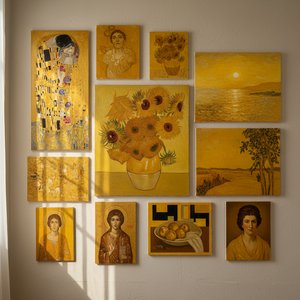
Топ 10 шедьовъра в нюансите на охрата: Изкуство и хармония за вашия дом
Открийте топ 10 шедьовъра, доминирани от топлите нюанси на охрата! Разгледайте историите зад картините на Ван Гог, Моне и други велики художници. Вдъхновете се за декор с OriginalUniqueArt.com – музейно качество репродукции и изкуство за вашия дом.
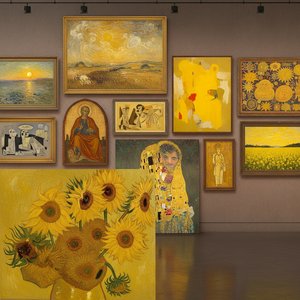
Топ 10 шедьовъра в нюансите на хромовото жълто – изкуство за вашия дом от OriginalUniqueArt.com
Открийте топ 10 шедьовъра, доминирани от хромово жълто! Разгледайте историите на Ван Гог, Моне и други велики художници. Вдъхновете се за вашия дом с OriginalUniqueArt.com – репродукции картини с музейно качество.
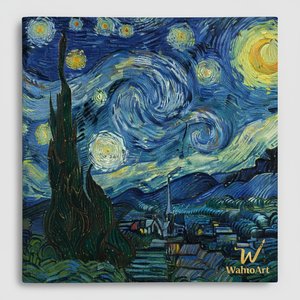
Decoding Van Gogh's Turmoil: OriginalUniqueArt’s Masterful Reproductions of Emotional Depth
Discover exquisite Van Gogh reproductions from OriginalUniqueArt – expert art specialists offering museum-quality prints & custom paintings. Trust our authentic process and elevate your collection today.

Топ 10 шедьоври на постимпресионизма: Изкуство за вашия дом от OriginalUniqueArt.com
Разгледайте топ 10 шедьоври на постимпресионизма – Ван Гог, Сезан, Моне и други! Открийте историите зад картините, техниките и емоциите. Репродукции с музейно качество от OriginalUniqueArt.com. Разгледайте пълната колекция онлайн!

Рембранд ван Рейн: Топ 25 шедьовъра за вашия дом – галерия от OriginalUniqueArt.com
Открийте 25 шедьовъра на Рембранд ван Рейн в галерията на OriginalUniqueArt.com! Разгледайте историите зад известните му картини, барокови портрети и библейски сцени. Луксозни репродукции за вашия дом – изкуство с качество от музей. Explore the full collection online!