
 Преглед в реален мащаб
 Изпрати
 Сподели
 Детайли
 Ръководство

 Изтегляне
 Подобни артикули
 Рентгенова снимка
 Слайдшоу
 Въпроси и отговори
 Статистика
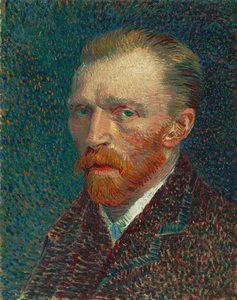
Self-portrait

- 55.0 x 45.0 cm


 Прочети повече
Получете файл, готов за печат, който предлага много по-високо качество от уеб прегледа. Всяко дигитално изображение, което предлагаме, е извлечено от висококачествен оригинал в нашата база данни — обикновено с ширина между 5 000 и 15 000 пиксела — така че със сигурност да можете да принтирате в голям формат, да кадрирате тесно или да възпроизведете фините детайли.
Нито един файл не напуска нашето студио без внимание. Дигитален експерт проверява цветовете спрямо оригиналната картина и ги коригира при необходимост, след което подобрява яснотата и детайлите с професионални инструменти за ретуш — винаги оставайки верен на мазките и стила на художника. Резултатът е изображение, което изглежда като самата картина, а не като сканиран образ с филтър.
Одобрявате преди финализиране: нашият експерт ще изпрати изображението по имейл в рамките на 72 часа за ваш преглед. Не сте доволни? Можете да поискате подобрения или корекции, или пълно възстановяване на сумата, ако качеството не отговаря на очакванията ви.
Това е качеството, на което разчитат издателства, дизайн студиа, галерии и печатници.
Дигитално изображение
Изтеглете файл с висока резолюция за лично съхранение, принтиране и творчески проекти. ( Превключване към принт Купете ръчно рисувана картина)
Включено във всяка поръчка за дигитални изображения
Гарантирана експертна дигитална доставка
Избирайки OriginalUniqueArt.com, вие не получавате просто изображение – вие придобивате професионално обработена дигитална творба, създадена с прецизност и подкрепена от гаранция за удовлетворение. Ето какво автоматично е включено във вашата поръчка:

Бърза доставка по имейл
Вашето дигитално изображение с висока резолюция ще бъде изпратено по имейл в рамките на 72 часа от поръчката – готово за незабавно използване.

Дигитален файл с подобрено качество чрез ИИ
Вашата картина е професионално оптимизирана чрез усъвършенствани инструменти с изкуствен интелект и ръчна редакция, което гарантира максимална детайлност, яснота и точност на цветовете.

Безплатна доживотна повторна доставка
Изгубили сте или сте изтрили файла си по погрешка? Не се притеснявайте – ще го изпратим отново на Вас по всяко време, безплатно.

Без митнически такси – завинаги
Насладете се на вашето произведение незабавно, без мита, такси или разходи за доставка – дигиталните изтегляния винаги са освободени от данъци.

Гаранция за цветово съответствие
Гарантираме, че вашето дигитално изображение отразява оригиналните цветове възможно най-точно чрез използването на професионални инструменти и системи за управление на цветовете.

100-дневна гаранция за удовлетвореност
Ако не сте доволни от вашето дигитално изображение, ще го преработим или ще възстановим 100% от сумата в рамките на 100 дни – без излишни въпроси.

100% Гаранция за връщане на сумата
Не сте доволни? Получете пълен възврат на сумата в рамките на 100 дни от получаването на вашия цифров файл – без излишни въпроси.

Отстъпки за големи поръчки
Купете 3 изображения, спестете 10% - Купете 5, спестете 15% - Купете 10+, спестете 20%. Идеално за творчески проекти, галерии и агенства.
A Window into Van Gogh’s Soul: Exploring Self-Portrait (1889)
Vincent van Gogh's *Self-Portrait* of 1889 is more than just a likeness; it’s a profound exploration of the artist’s inner turmoil and resilience, rendered with his signature expressive brushwork. Painted during his stay at the Saint-Paul-de-Mausole asylum in Saint-Rémy, this artwork offers an intimate glimpse into the mind of one of history's most celebrated – and troubled – artists. Measuring 55 x 45 cm, the oil on canvas showcases Van Gogh’s mastery of color and texture, creating a captivating and emotionally resonant image.Decoding the Artistic Style & Technique
This self-portrait is a quintessential example of Post-Impressionism, characterized by its subjective interpretation of reality and emphasis on emotional expression. Van Gogh abandons strict realism in favor of bold colors and dynamic brushstrokes. The swirling patterns around his head aren’t merely descriptive; they *feel* like the artist's internal state – restless, agitated, yet strangely beautiful. Notice the impasto technique—the thick application of paint—which gives the surface a tactile quality and enhances the sense of movement. The contrasting blues and oranges create visual tension, drawing the eye to Van Gogh’s face and intensifying the emotional impact.Historical Context & The Artist's State of Mind
Painted in September 1889, this work was created during a period of intense personal struggle for Van Gogh. Following his infamous ear-severing incident, he voluntarily admitted himself to the asylum. Despite his mental health challenges, he continued to paint prolifically, viewing art as a vital outlet and a means of self-discovery. Some scholars believe this portrait represents a moment of relative calm amidst the storm, while others interpret it as a reflection of ongoing anxiety and vulnerability. The fact that Van Gogh sent this painting to his brother Theo with a note commenting on a perceived calming of his expression suggests a desire for reassurance and a hope for recovery.Symbolism & Emotional Resonance
The intensity of Van Gogh’s gaze is perhaps the most striking element of the portrait. His eyes, though shadowed, seem to penetrate the viewer's soul, conveying a sense of both introspection and unease. The suit he wears – unusual for his typically more casual attire – suggests an attempt at self-presentation, perhaps a desire to project an image of stability or respectability. The swirling background can be interpreted as symbolic of the chaos within him, while also hinting at the natural world that continued to inspire him even during confinement. The overall effect is one of profound emotional honesty and vulnerability.Influence & Legacy
Van Gogh’s self-portraits revolutionized portraiture, moving beyond mere physical representation to explore the complexities of human psychology. His bold use of color, expressive brushwork, and willingness to reveal his inner world paved the way for Expressionism and other modern art movements. This particular *Self-Portrait* continues to captivate audiences with its raw emotional power and serves as a testament to Van Gogh’s enduring artistic genius.Complementary Works & Further Exploration
- The Starry Night (1889): Painted during the same period at Saint-Rémy, this iconic work shares a similar swirling energy and emotional intensity.
- Self-Portrait Without Beard (1889): Another self-portrait from his final months, often debated as potentially being his last completed work. It offers a contrasting image of the artist with a clean-shaven face.
- Wheatfield with Cypresses (1889): A vibrant landscape painted near the asylum, showcasing Van Gogh’s continued connection to nature and his masterful use of color.
Bringing Van Gogh's Vision Home
Experience the power and beauty of *Self-Portrait* in your own space. High-quality reproductions allow you to appreciate the intricate details and emotional depth of this masterpiece, adding a touch of artistic brilliance to any interior. Explore available handmade oil painting reproductions at [https://OriginalUniqueArt.com](https://OriginalUniqueArt.com).Въпроси и отговори
С каква техника е изпълнено „Self-portrait“ на Винсент Ван Гог?
Винсент Ван Гог е използвал/а техниката Масло върху платно за „Self-portrait“. Тази техника определя материалната природа на оригиналното произведение.
Какво чувство предава „Self-portrait“ на Винсент Ван Гог?
„Self-portrait“ на Винсент Ван Гог предава Меланхоличен усещане в една общо Драматичен атмосфера.
Какъв е форматът на "Self-portrait"?
Форматът на „Self-portrait“ е Портретна ориентация. Това е полезно при планирането на мястото, където ще бъде поставена репродукцията.
Биография на художника
Живот, изрисуван с любов: Винсент ван Гог
Винсент Вилем ван Гог – име, което е синоним на жизнеагресивни цветове и сурова емоция – остава една от най-разпознаваемите и обичани фигури в историята на изкуството. Роден на 30 март 1853 г. в Зюндерт, Нидерландия, неговият път от неспокоен млад мъж, търсещ смисъл, до артистичен визионер е трогателна история за отдаденост, борба и, в крайна сметка, вечно наследство. Въпреки че приживе е постигнал малко търговски успех – продавайки само една картина, „Червената лоза“, преди смъртта си – влиянието на Ван Гог върху модерното изкуство е неизмеримо, проправяйки път на експресионизма и вдъхновявайки безброй последователи. Неговата история не е само за мазки и платно; тя е свидетелство за силата на човешкото изразяване пред лицето на невзгодите.
Ранни години и артистично пробуждане
Ранният живот на Ван Гог е белязан от поредица от нереализирани стремежи. Той опитва различни професии – търговец на изкуство, учител и дори мисионер – преди най-накрая да се посвети на живописта на сравнително късната възраст от 27 години. Тези ранни преживявания дълбоко оформят неговото мирогледно и намират своето отражение в творчеството му. Първите му произведения, изобразяващи сцени от селския живот в провинциална Белгия, отразяват дълбока емпатия към работническия клас и тъмна палитра, предаваща техните трудности. Под влиянието на художници като Жан-Франсоа Миле, Ван Гог се стреми да улови достойнството и устойчивостта на тези хора чрез суров реализъм. Въпреки това, именно преместването му в Париж през 1886 г. се оказва трансформиращо. Там той се сблъсква с импресионизма и постъимпресионизма, попивайки техниките на майстори като Моне, Ренуар и Писаро. Това преживяване разширява артистичте му хоризонти, водейки го към експерименти с по-ярки цветове и по-свободни мазки, запазвайки обаче отчетлива емоционална интензивност, която липсва у много от неговите съвременници. Неговият брат Тео, търговец на изкуство, играе решаваща роля през този период, осигурявайки финансова подкрепа и действайки като жизненоважна връзка с парижкия свят на изкуството. Тяхната обширна кореспонденция предлага безценни прозрения в артистичното развитие и личните борби на Ван Гог.
Южното светлина и експлозивна креативност
Търсейки по-живописен пейзаж и чувство за обновление, Ван Гог се преселва в Арл, в южна Франция, през 1888 г. Това преместване бележи период на интензивно творчество, характеризиращ се с експлозия от цвят и специфична техника на импасто – нанасяне на гъста боя върху платното, което създава текстурирана повърхност, която сякаш пулсира с енергия. Тук той създава някои от своите най-емблематични творби: „Слънчогледи“, „Нощно кафене“ и „Звездна нощ“. Интензивното слънце на Прованс сякаш разпалва въображението му, водейки го към изобразяване на пейзажи и натюрморти с безпрецедентна жизненост. Желанието му за артистична колаборация го кара да покани Пол Гоген да се присъедини към него в Арл, с надеждата да създаде утопична колония за художници. Въпреки това, техният взаимоотношения се оказват бурни, кулминиращи в драматичен конфликт, който завършва с самонараняването на ухото на Ван Гог. Това събитие подчертава крехкостта на неговото психично състояние и бележи началото на период на институционализация и нарастващо психологическо неспокойствие.
Потни години и вечно наследство
След нервния си срив, Ван Гог доброволно влиза в психиатрична болница в Сен-Реми, където продължава да рисува изобилно, улавяйки околните пейзажи както с красота, така и с вътрешен раздразнение. Творби като „Звездна нощ“, нарисувана по това време, са изпълнени с чувство за космическо чудо и дълбока емоционална дълбочина. По-късно той се премества в Овер-сюр-Уаз под грижите на д-р Пол Гаше, но борбите му продължаване. На 29 юли 1890 г., на 37 години, Ван Гог трагично умира от смъртна рана от огнестрелно оръжие, нанесена от самия него. Въпреки че постига малко признание приживе, неговата работа започва да печели посмъртна слава, благодарение предимно на неуморните усилия на неговата невестка, Йохана ван Гог-Бонгер, която наследява имуществото му и се посвещава на популяризирането на неговото изкуство. Днес картините на Ван Гог се прославят по целия свят заради своята емоционална интензивност, иновативни техники и вечна красота. Неговото наследство се простира далеч отвъд платното; той се превърна в символ на артистичната страст, упоритостта пред невзгодите и силата на изкуството да изразява най-дълбоките човешки емоции.
Ключови влияния и артистично развитие
- Ранен реализъм: Изображенията на селския живот от Жан-Франсоа Миле повлияват на ранните творби на Ван Гог.
- Импресионизъм и постъимпресионизъм: Сблъсъкът с Моне, Ренуар, Писаро и други в Париж разширява неговата палитра и техника.
- Японски гравюри: Ван Гог е дълбоко повлиян от японските дърворезни гравюри, които колекционира със страст. Тяхната смела композиция и равни цветови плоскости влияят на неговия собствен стил.
- Емоционално изразяване: Пред всичко, Ван Гог се стреми да предаде емоция чрез своето изкуство, поставяйки субективния опит пред обективното представяне. Този фокус върху емоционалната интензивност се превръща в определяща характеристика на неговата работа и проправя път на експресионизма.
Винсент Ван Гог
1853 - 1890 , Нидерландия
Бърза справка
- Artistic Movement Or Style: Пост-импресионизъм
- Artists Or Movements Influenced By This Artist:
- Експресионизъм
- Фовизъм
- Artists Who Influenced This Artist:
- Рембранд
- Жан-Франсуа Милет
- Date Of Birth: 30 март 1853
- Date Of Death: 29 юли 1890
- Full Name: Vincent Willem van Gogh
- Nationality: Нидерландски
- Notable Artworks:
- Селско стопанство
- Слънчогледи
- Звездна нощ
- Place Of Birth: Зюндерт, Нидерландия