Преглед в реален мащаб
 Изпрати
 Сподели
 Детайли
 Ръководство

 Изтегляне
 Подобни артикули
 Рентгенова снимка
 Слайдшоу
 Въпроси и отговори
 Статистика
Reaper


 Прочети повече
Жикле / Художествен принт
Giclée печат или принт върху платно с музейно качество, бързо производство и гъвкави опции за завършен вид. ( Купете ръчно рисувана картина Превключване към дигитално изображение)




P118B €10

P118H €10

P118W €10

P438Z €10

P508JH €12

P508YH €12

P805H €10

P805Z €10

P919BZ €10

P919G €10

P919XJ €10

P959ZH €10

P968JZ €12

W106C €8

W218G €10

W218JH €8

W218Y €10

W307PJ €10

W316G €10

W316PJ €8

W316Y €10

W398PJ €8

W4111J €10

W500HY €15

W500JH €15

W692G €12

W849H €8

W940BG €15

W953PJ €8




Изберете от нашите предварително зададени размери, които съответстват на оригиналните пропорции на произведението.

Въведете необходимата ширина и височина, за да паснат на вашата рамка или стена. Принтовете могат само да се изрязват, но никога не могат да бъдат по-големи от оригиналната картина, така че при размер с различен формат част от изображението ще бъде загубена. Преди да започнем печат, ще ви изпратим дигитален мок업 за одобрение. Изображението, показано на тази страница, не показва реалното изрязване — само мок업ът го показва.
Доставка по целия свят () в рамките на 2 седмици вместо стандартните 4/5 седмици. (8 Ноември)

Безплатна експресна доставка по целия свят

Висококачествено ленено платно

Пълно застраховане на доставката

Гаранция за възстановяване на митнически такси

Гаранция за пълно съответствие на цветовете

Политика за връщане в рамките на 100 дни (само при дефекти)

100% Гаранция за връщане на сумата

Оферта за отстъпка при поръчка на повече бройки
 Опцията със стъкло е налична само за размери под 110 см

Reaper
Жикле / Художествен принт
Размер на репродукцията
-


Обща цена
€ 72
A Study in Labor: Van Gogh’s ‘Reaper’
Vincent van Gogh's 1885 chalk drawing, *Reaper*, is a poignant and remarkably intimate study of rural life – a theme central to his early artistic development. Far from the vibrant colors he would later become renowned for, this work reveals Van Gogh’s mastery of tonal variation and line to convey both physical exertion and a deep respect for the working class.Descriptive Overview
The drawing depicts a solitary reaper, bent diligently to his task amidst towering sheaves of wheat. Executed with expressive chalk on paper, the figure is rendered not with precise detail but with dynamic lines that suggest movement and strain. The reaper’s form, though simplified, communicates a powerful sense of physicality. The background isn't merely scenery; it’s an active participant in the scene, sketched with swift, flowing strokes to create depth and evoke the vastness of the agricultural landscape. Notice how the artist uses shading to define the contours of both the figure and the surrounding wheat stalks, creating a palpable texture.Technique & Style: Early Realism
*Reaper* exemplifies Van Gogh’s early commitment to realism, predating his signature Post-Impressionistic style. The deliberate chalk lines aren't intended to mimic photographic accuracy but rather to capture the *essence* of the scene – the weight of labor, the texture of clothing, and the atmosphere of a sun-drenched field. This piece demonstrates Van Gogh’s foundational skill in draftsmanship and his ability to convey form through line and tone. The use of chalk allows for a softness that contrasts with the harshness of the depicted work, creating an interesting visual tension.Historical Context & Influences
Created during his time in Nuenen, Netherlands, *Reaper* reflects Van Gogh’s profound connection to peasant life. He sought to depict the dignity and hardship inherent in manual labor, a subject matter that resonated deeply with his empathetic nature. This period saw him intensely studying the lives of rural workers, believing their existence held a fundamental truth about humanity. Interestingly, Van Gogh also created works *after* Millet’s “Reaper,” demonstrating an engagement with established artistic traditions while forging his own path.Symbolism & Emotional Resonance
The image transcends a simple depiction of agricultural work; it carries symbolic weight. The reaper can be interpreted as representing the cyclical nature of life and death – the harvesting of wheat mirroring the inevitable end. However, Van Gogh doesn’t present this symbolism with sadness but rather with a sense of acceptance and even reverence for the natural order. The drawing evokes feelings of both exhaustion and determination, highlighting the resilience of the human spirit in the face of arduous labor.Related Works & Further Exploration
- Wheatfield with Reaper and Peasant Woman Binding Sheaves (1885) – A companion piece offering a broader view of agricultural life.
- Ladies of Arles (Memories of the Garden at Etten) (1888) – Demonstrates Van Gogh’s evolving style and continued interest in depicting everyday scenes.
- Reaper with Sickle (after Millet) - A testament to Van Gogh's engagement with artistic predecessors.
A Timeless Image for Today
Van Gogh’s *Reaper* remains a powerful and moving work of art. Its enduring appeal lies in its honest portrayal of human labor, its masterful technique, and its subtle yet profound symbolism. Whether you are an avid collector, an interior designer seeking a piece with historical depth, or simply an admirer of Van Gogh's genius, this drawing offers a captivating glimpse into the heart of rural life and the soul of a remarkable artist. The work is currently housed in the Van Gogh Museum in Amsterdam, Netherlands.Въпроси и отговори
На кой етап от кариерата на Винсент Ван Гог принадлежи „Reaper“ (1885)?
Датираната с 1885 г. творба „Reaper“ принадлежи към Early Period на развитието на Винсент Ван Гог.
Къде се препоръчва да бъде изложена творбата "Reaper" във формат Хоризонтален формат?
Формат (Хоризонтален формат) и препоръчителното пространство (Дневна стая) са двете посочени подробности за разположението на „Reaper“ на Винсент Ван Гог.
Как се съчетават контрастът и хармонията в "Reaper"?
Цветовата композиция на „Reaper“ на Винсент Ван Гог съчетава Изказване контраст с Единна палитра хармония.
Биография на художника
Живот, изрисуван с любов: Винсент ван Гог
Винсент Вилем ван Гог – име, което е синоним на жизнеагресивни цветове и сурова емоция – остава една от най-разпознаваемите и обичани фигури в историята на изкуството. Роден на 30 март 1853 г. в Зюндерт, Нидерландия, неговият път от неспокоен млад мъж, търсещ смисъл, до артистичен визионер е трогателна история за отдаденост, борба и, в крайна сметка, вечно наследство. Въпреки че приживе е постигнал малко търговски успех – продавайки само една картина, „Червената лоза“, преди смъртта си – влиянието на Ван Гог върху модерното изкуство е неизмеримо, проправяйки път на експресионизма и вдъхновявайки безброй последователи. Неговата история не е само за мазки и платно; тя е свидетелство за силата на човешкото изразяване пред лицето на невзгодите.
Ранни години и артистично пробуждане
Ранният живот на Ван Гог е белязан от поредица от нереализирани стремежи. Той опитва различни професии – търговец на изкуство, учител и дори мисионер – преди най-накрая да се посвети на живописта на сравнително късната възраст от 27 години. Тези ранни преживявания дълбоко оформят неговото мирогледно и намират своето отражение в творчеството му. Първите му произведения, изобразяващи сцени от селския живот в провинциална Белгия, отразяват дълбока емпатия към работническия клас и тъмна палитра, предаваща техните трудности. Под влиянието на художници като Жан-Франсоа Миле, Ван Гог се стреми да улови достойнството и устойчивостта на тези хора чрез суров реализъм. Въпреки това, именно преместването му в Париж през 1886 г. се оказва трансформиращо. Там той се сблъсква с импресионизма и постъимпресионизма, попивайки техниките на майстори като Моне, Ренуар и Писаро. Това преживяване разширява артистичте му хоризонти, водейки го към експерименти с по-ярки цветове и по-свободни мазки, запазвайки обаче отчетлива емоционална интензивност, която липсва у много от неговите съвременници. Неговият брат Тео, търговец на изкуство, играе решаваща роля през този период, осигурявайки финансова подкрепа и действайки като жизненоважна връзка с парижкия свят на изкуството. Тяхната обширна кореспонденция предлага безценни прозрения в артистичното развитие и личните борби на Ван Гог.
Южното светлина и експлозивна креативност
Търсейки по-живописен пейзаж и чувство за обновление, Ван Гог се преселва в Арл, в южна Франция, през 1888 г. Това преместване бележи период на интензивно творчество, характеризиращ се с експлозия от цвят и специфична техника на импасто – нанасяне на гъста боя върху платното, което създава текстурирана повърхност, която сякаш пулсира с енергия. Тук той създава някои от своите най-емблематични творби: „Слънчогледи“, „Нощно кафене“ и „Звездна нощ“. Интензивното слънце на Прованс сякаш разпалва въображението му, водейки го към изобразяване на пейзажи и натюрморти с безпрецедентна жизненост. Желанието му за артистична колаборация го кара да покани Пол Гоген да се присъедини към него в Арл, с надеждата да създаде утопична колония за художници. Въпреки това, техният взаимоотношения се оказват бурни, кулминиращи в драматичен конфликт, който завършва с самонараняването на ухото на Ван Гог. Това събитие подчертава крехкостта на неговото психично състояние и бележи началото на период на институционализация и нарастващо психологическо неспокойствие.
Потни години и вечно наследство
След нервния си срив, Ван Гог доброволно влиза в психиатрична болница в Сен-Реми, където продължава да рисува изобилно, улавяйки околните пейзажи както с красота, така и с вътрешен раздразнение. Творби като „Звездна нощ“, нарисувана по това време, са изпълнени с чувство за космическо чудо и дълбока емоционална дълбочина. По-късно той се премества в Овер-сюр-Уаз под грижите на д-р Пол Гаше, но борбите му продължаване. На 29 юли 1890 г., на 37 години, Ван Гог трагично умира от смъртна рана от огнестрелно оръжие, нанесена от самия него. Въпреки че постига малко признание приживе, неговата работа започва да печели посмъртна слава, благодарение предимно на неуморните усилия на неговата невестка, Йохана ван Гог-Бонгер, която наследява имуществото му и се посвещава на популяризирането на неговото изкуство. Днес картините на Ван Гог се прославят по целия свят заради своята емоционална интензивност, иновативни техники и вечна красота. Неговото наследство се простира далеч отвъд платното; той се превърна в символ на артистичната страст, упоритостта пред невзгодите и силата на изкуството да изразява най-дълбоките човешки емоции.
Ключови влияния и артистично развитие
- Ранен реализъм: Изображенията на селския живот от Жан-Франсоа Миле повлияват на ранните творби на Ван Гог.
- Импресионизъм и постъимпресионизъм: Сблъсъкът с Моне, Ренуар, Писаро и други в Париж разширява неговата палитра и техника.
- Японски гравюри: Ван Гог е дълбоко повлиян от японските дърворезни гравюри, които колекционира със страст. Тяхната смела композиция и равни цветови плоскости влияят на неговия собствен стил.
- Емоционално изразяване: Пред всичко, Ван Гог се стреми да предаде емоция чрез своето изкуство, поставяйки субективния опит пред обективното представяне. Този фокус върху емоционалната интензивност се превръща в определяща характеристика на неговата работа и проправя път на експресионизма.
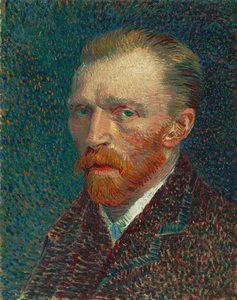
Винсент Ван Гог
1853 - 1890 , Нидерландия
Бърза информация
- Artistic Movement Or Style: Пост-импресионизъм
- Artists Or Movements Influenced By This Artist:
- Експресионизъм
- Фовизъм
- Artists Who Influenced This Artist:
- Рембранд
- Жан-Франсуа Милет
- Date Of Birth: 30 март 1853
- Date Of Death: 29 юли 1890
- Full Name: Vincent Willem van Gogh
- Nationality: Нидерландски
- Notable Artworks:
- Селско стопанство
- Слънчогледи
- Звездна нощ
- Place Of Birth: Зюндерт, Нидерландия
Свързани статии

Decoding Impasto: The Emotional Power and Texture of Van Gogh's Brushstrokes
Explore the profound emotional depth of Van Gogh's impasto technique. Discover how his sculptural brushstrokes and textured oil layers define Post-Impressionism through an expert art-historical lens, perfect for discerning collectors and fine art enthusiasts.
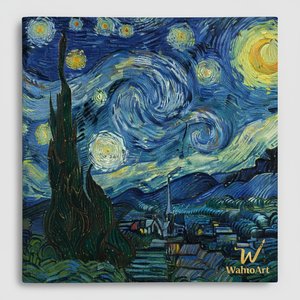
Decoding Van Gogh's Turmoil: OriginalUniqueArt’s Masterful Reproductions of Emotional Depth
Discover exquisite Van Gogh reproductions from OriginalUniqueArt – expert art specialists offering museum-quality prints & custom paintings. Trust our authentic process and elevate your collection today.

Рембранд ван Рейн: Топ 25 шедьовъра за вашия дом – галерия от OriginalUniqueArt.com
Открийте 25 шедьовъра на Рембранд ван Рейн в галерията на OriginalUniqueArt.com! Разгледайте историите зад известните му картини, барокови портрети и библейски сцени. Луксозни репродукции за вашия дом – изкуство с качество от музей. Explore the full collection online!

Beyond the Surface: The Raw Power and Texture of Van Gogh's Impasto Brushstrokes
Explore the visceral power of Van Gogh's impasto technique. Discover how his thick, sculptural brushstrokes transform emotion into texture, creating a tactile legacy that continues to inspire modern collectors and fine art enthusiasts worldwide.
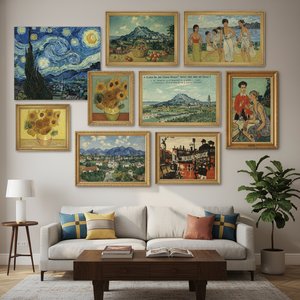
Топ 10 шедьоври на постимпресионизма: Изкуство за вашия дом от OriginalUniqueArt.com
Разгледайте топ 10 шедьоври на постимпресионизма – Ван Гог, Сезан, Моне и други! Открийте историите зад картините, техниките и емоциите. Репродукции с музейно качество от OriginalUniqueArt.com. Разгледайте пълната колекция онлайн!