

 Преглед в реален мащаб
 Сподели
 Сподели
 Подробности
 Ръководство

 Изтегляне
 Подобни артикули
 Рентгенова снимка
 Слайдшоу
 Статистика
Figures in a Park


 Разгърни целия текст
Закупете дигитално изображение с висока резолюция и подобрени характеристики, значително по-качествено от онлайн прегледа.
Всеки файл е щателно подготвен от нашите специалисти с помощта на съвременни инструменти и експертен ръчен ретуш. Гарантираме, че всяко изображение притежава изключителна яснота, прецизна цветова точност и фини детайли.
Окончателният файл се доставя по имейл в рамките на 72 часа, оптимизиран за незабавна употреба в професионални, редакционни и печатни среди. Това е същото качество, на което се доверяват водещи дизайнерски студия, издатели и галерии.
Дигитално изображение
Изтеглете файл с висока резолюция за лично съхранение, принтиране и творчески проекти. ( Избор на принт Поръчайте ръчно рисувано репродукция на този колекционерски предмет)
Включено във всяка поръчка за дигитални изображения
Експертна дигитална доставка, гарантирана
Избирайки OriginalUniqueArt.com, вие не получавате просто изображение – вие придобивате професионално обработена дигитална творба, създадена с прецизност и подкрепена от гаранция за удовлетворение. Ето какво автоматично е включено във вашата поръчка:

Бърза доставка по имейл
Вашето дигитално изображение с висока резолюция ще бъде изпратено по имейл в рамките на 72 часа от поръчката – готово за незабавно използване.

Дигитален файл с подобрено качество чрез ИИ
Вашата картина е професионално оптимизирана с помощта на усъвършенствани инструменти за изкуствен интелект и ръчна редакция, осигурявайки максимална детайлност, яснота и точност на цветовете.

Безплатна доживотна повторна доставка
Изгубили сте или сте изтрили файла си по погрешка? Не се притеснявайте – ще го изпратим отново на Вас по всяко време, безплатно.

Без митнически такси – завинаги
Насладете се на вашето произведение незабавно, без мита, данъци или такси за доставка – дигиталните изтегляния винаги са освободени от данъци.

Гаранция за точност на цветовете
Гарантираме, че вашето дигитално изображение отразява оригиналните цветове възможно най-точно, чрез използването на професионални инструменти и системи за управление на цветовете.

100-дневна гаранция за удовлетвореност
Ако не сте доволни от вашето дигитално изображение, ще го преработим или ще възстановим 100% от сумата в рамките на 100 дни – без излишни въпроси.

100% Гаранция за връщане на сумата
Не сте доволни? Получете пълен възврат на сумата в рамките на 100 дни от получаването на вашия цифров файл – без излишни въпроси.

Отстъпки за големи поръчки
Купете 3 изображения, спестете 10% - Купете 5, спестете 15% - Купете 10+, спестете 20%. Идеално за творчески проекти, галерии и агенства.
A Moment Frozen in Time: Van Gogh’s ‘Figures in a Park’
Vincent van Gogh's “Figures in a Park,” painted in 1886, offers a deceptively simple yet profoundly evocative glimpse into the artist’s evolving vision. This black and white drawing, depicting a bustling park scene near a body of water, transcends mere representation; it is a carefully constructed meditation on human connection and the transient beauty of everyday life. The image captures a moment of leisure – individuals scattered across benches and pathways, engaged in quiet contemplation or animated conversation – a theme frequently explored by Van Gogh during this period of his artistic development.
- Subject Matter: The scene is dominated by figures within a public park setting, showcasing the artist’s interest in portraying ordinary people amidst their natural surroundings.
- Composition: The arrangement of individuals creates a sense of movement and activity, while also suggesting an underlying stillness – a quiet observation of human behavior.
- Setting: The presence of boats and water adds to the idyllic atmosphere, evoking feelings of tranquility and escape.
The Dawn of Expressionism: Van Gogh’s Technique
Created in 1886, a pivotal year for Van Gogh's artistic journey, “Figures in a Park” exemplifies his developing style – a crucial step towards the expressive power that would define his later work. The drawing is executed with confident, deliberate lines, revealing a mastery of tonal shading and perspective. Unlike the vibrant colors he would later employ, this piece relies on the stark contrast between light and shadow to create depth and volume. Note the meticulous attention to detail in rendering the clothing, the textures of the benches, and the subtle nuances of facial expressions. This technique foreshadows his eventual embrace of impasto – thick layers of paint – as a means of conveying emotion directly onto the canvas.
Symbolism and Context: A Reflection of Van Gogh’s World
Painted during a period of intense personal struggle and artistic experimentation, “Figures in a Park” offers a window into Van Gogh's psychological state. The scene can be interpreted as a yearning for connection – the figures represent potential relationships and shared experiences. The umbrella, a small but significant detail, might symbolize protection from the anxieties of the world or perhaps a desire for shelter and solace. The drawing’s monochrome palette further amplifies its emotional weight, mirroring the somber mood often associated with Van Gogh's early years.
Emotional Resonance and Artistic Legacy
“Figures in a Park” is more than just a drawing; it’s a testament to Van Gogh’s unwavering belief in the power of art to capture human emotion. The scene’s quiet intensity invites viewers to contemplate themes of solitude, companionship, and the fleeting nature of time. This work represents an important transitional piece in Van Gogh's oeuvre, demonstrating his growing confidence as an artist and foreshadowing the revolutionary impact he would have on the course of modern art. A hand-painted reproduction offers a unique opportunity to experience this poignant artwork firsthand, bringing its timeless beauty into your home or office.
Биография на художника
A Life Painted in Emotion: The World of Vincent van Gogh
Vincent Willem van Gogh, a name synonymous with artistic passion and turbulent genius, remains one of the most recognizable and beloved figures in Western art history. Born on March 30, 1853, in Groot-Zundert, Netherlands, his journey was not one of immediate acclaim but rather a slow burn of dedication, struggle, and ultimately, profound influence. The eldest of six children born to a Protestant minister, Theodorus van Gogh, Vincent’s early life was steeped in religious contemplation, a sensibility that would subtly permeate much of his later work. Though he displayed an inclination towards drawing from a young age, his path wasn't immediately clear; he explored various vocations – art dealer, teacher, and missionary – before fully embracing the artist’s life. These experiences, though seemingly disparate, proved formative, instilling in him a deep empathy for the working class and a profound sense of spiritual seeking that would become hallmarks of his artistic vision. Early influences included the Dutch Masters like Rembrandt van Rijn and Frans Hals, whose masterful use of light and shadow resonated with young Vincent, as well as contemporary French painters Jean-François Millet and Camille Corot, who depicted scenes of rural life with a poignant realism.From Darkness to Light: Artistic Development and Style
Van Gogh’s serious engagement with painting began around 1880, largely self-taught, driven by an inner compulsion to express the world as he perceived it. His initial works reflected his compassion for the marginalized, focusing on the lives of peasants and laborers – exemplified in pieces like The Potato Eaters. These early paintings are characterized by dark, earthy tones and a raw, almost brutal honesty that sought to capture the hardship and dignity of rural existence. The figures in *The Potato Eaters* aren’t idealized; they're depicted with a stark realism, emphasizing their toil and weariness – a deliberate choice reflecting Van Gogh’s desire to honor the dignity of these working-class individuals. A pivotal moment arrived with his move to Paris in 1886, where he was exposed to the vibrant world of Impressionism and Post-Impressionism. This encounter proved transformative, injecting brighter colors into his palette and encouraging experimentation with new techniques. He absorbed the lessons of artists like Monet, Renoir, and Pissarro, but never fully adopted their style; instead, he forged a path uniquely his own. His brushstrokes became looser, more expressive, and he began to explore the possibilities of color in ways that were radically different from traditional academic painting. He wasn’t simply copying what he saw; he was attempting to capture *how* he felt about what he saw – the emotional resonance of a scene, the intensity of light, the weight of human experience.Periods of Intensity: Key Works and Artistic Phases
Van Gogh's artistic journey can be broadly divided into distinct periods, each marked by unique characteristics and significant works. The Dutch Period (1880-1886), as mentioned, was defined by somber tones and depictions of peasant life – scenes of rural labor, simple interiors, and portraits of ordinary people. These paintings were often characterized by a limited palette and a restrained style, reflecting Van Gogh’s initial attempts to master the technical aspects of painting. The subsequent Parisian Period (1886-1888) saw a dramatic shift towards brighter colors and experimentation with Impressionist techniques. He was particularly influenced by the work of Toulouse-Lautrec and Edgar Degas, whose depictions of urban life sparked his interest in capturing the energy and dynamism of modern cityscapes. However, it was during the Arles Period (1888-1889), in the south of France, that Van Gogh reached a peak of creative intensity. Surrounded by the radiant light and vibrant landscapes of Provence, he produced some of his most iconic works: Sunflowers, a series celebrating the beauty and vitality of nature; *The Night Café*, a claustrophobic depiction of a dimly lit Parisian café, conveying a sense of isolation and despair; and *Starry Night Over the Rhône*, capturing the shimmering reflections of city lights on the water. These paintings are not merely depictions of scenes; they are emotional landscapes, pulsating with life and imbued with a sense of longing. His use of color became increasingly bold and expressive, employing complementary colors to create dramatic contrasts and heighten the intensity of his compositions. His distinctive brushwork – short, thick strokes applied in swirling patterns – added a dynamic quality to his paintings, conveying movement and energy.A Legacy Forged in Suffering: Achievements and Historical Significance
Despite facing rejection and struggling with mental illness throughout his life, Van Gogh created over 2,100 artworks in just over a decade—approximately 860 oil paintings. This astonishing output is testament to his unwavering dedication and relentless creative drive. Remarkably, during his lifetime, only one painting – The Red Vineyard – was sold. Recognition came posthumously, slowly at first, then with increasing momentum in the early 20th century. His work profoundly influenced the development of modern art, particularly Expressionism and Fauvism, inspiring artists to prioritize emotional expression over realistic representation. His bold use of color, distorted forms, and expressive brushwork paved the way for new artistic possibilities. Today, Van Gogh’s paintings are among the most recognizable and valuable artworks in the world, commanding record prices at auction and drawing millions of visitors to museums worldwide. But his legacy extends far beyond monetary value; he remains a cultural icon, representing the archetype of the “tortured artist” – though this narrative often overshadows his skill, dedication, and artistic vision. The Van Gogh Museum in Amsterdam stands as a testament to his enduring influence, showcasing his work and celebrating his life for generations to come. His art continues to resonate with audiences because it speaks to universal human experiences—love, loss, hope, despair—with an honesty and vulnerability that transcends time and culture.- Major Influences: Dutch Masters (Rembrandt, Hals), Millet, Corot.
- Key Periods: Dutch, Parisian, Arles, Saint-Rémy/Auvers-sur-Oise.
- Notable Works: The Potato Eaters, Sunflowers, Starry Night, The Night Café.
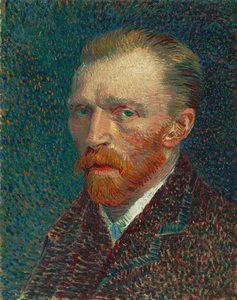
vincent willem van gogh
1853 - 1890 , Нидерландия
Кратка информация
- Artistic Movement Or Style: Пост-импресионизъм
- Artists Or Movements Influenced By This Artist:
- Експресионизъм
- Фовизъм
- Artists Who Influenced This Artist:
- Рембранд
- Жан-Франсуа Милет
- Date Of Birth: 30 март 1853
- Date Of Death: 29 юли 1890
- Full Name: Vincent Willem van Gogh
- Nationality: Нидерландски
- Notable Artworks:
- Селско стопанство
- Слънчогледи
- Звездна нощ
- Place Of Birth: Зюндерт, Нидерландия