

 Представи си го
 Изпрати
 Сподели
 Детайли

 Изтегляне
 Подобни
 Рентгенова снимка
 Слайдшоу
Henry Peter Brougham, Baron Brougham and Vaux


 Прочетете повече
Ръчно изработена маслена репродукция
Ръчно рисувана маслена картина върху платно във вашия размер и рамка, изработена по поръчка от нашите художници. ( Купете принт Купете изображение)




P118B $10

P118H $10

P118W $10

P438Z $10

P508JH $12

P508YH $12

P805H $10

P805Z $10

P919BZ $10

P919G $10

P919XJ $10

P959ZH $10

P968JZ $12

W106C $8

W218G $10

W218JH $8

W218Y $10

W307PJ $10

W316G $10

W316PJ $8

W316Y $10

W398PJ $8

W4111J $10

W500HY $15

W500JH $15

W692G $12

W849H $8

W940BG $15

W953PJ $8




Изберете от предварително зададените размери, които съответстват на оригиналните пропорции на произведението.

Можете да въведете свои собствени размери, за да пасне на конкретна рамка или пространство. Ако избраният от вас размер не съответства на пропорциите на оригиналното изображение, ние ще изрежем произведението или ще удължим картината с допълнителни ръчно рисувани елементи. Дигитален макет ще бъде изпратен за ваше одобрение преди започване на производството.
Моля, обърнете внимание, че прегледът на екрана не отразява действителното изрязване или разширяване. Само макетът ще покаже точно финалния състав.
Въпреки че са налични персонализирани размери, препоръчваме да изберете размер от предварително дефинирания списък, за да запазите оригиналните пропорции.
След поръчка, екипът на OriginalUniqueArt.com ще изпрати имейл на клиента за инструкции и ще предостави преглед на макет.
Доставка по целия свят () в рамките на 3/4 седмици вместо стандартните 5 седмици. (21 Август). Без компромис с качеството.

Безплатна експресна доставка по целия свят

Висококачествено ленено платно

Пълно застраховане при доставка

Гаранция за възстановяване на митнически такси

Гаранция за цветова точност

60-Дневен период за връщане (Само при дефекти)

100% Гаранция за връщане на парите

Предложение за отстъпка при поръчка на едро
 Стъклото е налично само в размери под 110 см

Henry Peter Brougham, Baron Brougham and Vaux
Репродукционен метод
Размер на репродукцията
-


Обща цена
$ 300
Описание на произведението
A Portrait of Power: Thomas Phillips’s Henry Peter Brougham
Thomas Phillips's depiction of Henry Peter Brougham, Baron Brougham and Vaux stands as a testament to the artistic prowess of the British Romantic era and offers a glimpse into the intellectual landscape of Victorian England. Completed around 1807, this portrait transcends mere likeness; it embodies ambition, erudition, and the commanding presence of one of Britain’s most influential statesmen. Phillips skillfully captured Brougham's character through meticulous observation and masterful technique—a hallmark of his oeuvre and a cornerstone of the Royal Academy’s artistic tradition.The Painter’s Craftsmanship: Luminosity and Detail
Phillips employed a technique rooted in chiaroscuro, utilizing dramatic contrasts between light and shadow to sculpt Brougham’s form with remarkable precision. The artist meticulously studied anatomy and drapery, achieving an astonishing level of realism that was considered groundbreaking for its time. Layers upon layers of thinly applied oil paint—a hallmark of the academic style—created a velvety surface texture that captured the subtle nuances of light reflecting off Brougham's skin and clothing. Notice particularly the luminous quality of his gaze; Phillips achieved this effect through careful blending and glazing, conveying an intensity of intellect and conviction.Historical Context: Shaping Victorian Discourse
Henry Peter Brougham (1767-1845) was a towering figure in British politics during the mid-nineteenth century—a barrister, orator, philosopher, and staunch advocate for parliamentary reform. He championed universal suffrage and tirelessly campaigned against slavery, earning him both admiration and controversy. Phillips’s portrait reflects this era's preoccupation with intellectual debate and moral responsibility. Brougham’s dignified posture and unwavering gaze communicate his conviction in the pursuit of justice and enlightenment—values central to the Romantic movement’s critique of aristocratic privilege and its celebration of reason and virtue. The red drapery behind him symbolizes power and authority, mirroring Brougham's position as a leader within the Liberal Party.Symbolism Beyond Appearance: Reflecting Inner Character
Beyond the surface representation, Phillips infused the portrait with symbolic elements that speak to Brougham’s inner life. The carefully arranged folds of his robe subtly suggest stability and composure—qualities essential for navigating the turbulent political arena. Furthermore, the muted tones of the background contribute to a sense of solemn contemplation, hinting at Brougham's profound engagement with philosophical ideas. These understated gestures underscore Phillips’s ability to convey character through visual cues rather than overt expression.Emotional Resonance: A Portrait That Endures
Ultimately, Thomas Phillips’s Henry Peter Brougham transcends its formal conventions to evoke a powerful emotional response. The portrait captures not merely Brougham's physical likeness but also his intellectual spirit—a man driven by conviction and committed to upholding moral principles. It remains an enduring symbol of Victorian idealism and continues to fascinate viewers with its masterful execution and profound psychological insight. Its commanding presence and luminous gaze serve as a reminder of the transformative power of art to illuminate both individual character and historical significance.Биография на художника
Early Life and Artistic Foundations
Thomas Phillips, born in Dudley, Worcestershire, in 1770, emerged from relatively modest beginnings to become a prominent figure in the British art scene of the late 18th and early 19th centuries. His initial artistic training wasn’t within the traditional confines of painting, but rather in the craft of glass-painting under Francis Eginton in Birmingham. This foundational experience instilled in him a meticulous attention to detail and an understanding of color and light – skills that would prove invaluable when he later transitioned to portraiture. The intricate designs and vibrant hues of stained glass demanded precision and a keen eye for composition, qualities Phillips carried with him throughout his career. A pivotal moment arrived in 1790 when Phillips journeyed to London, armed with an introduction to Benjamin West, a leading artist of the time and a key figure in the Royal Academy. West’s guidance proved transformative, opening doors to opportunities within the established art world and providing a crucial mentorship that shaped his artistic development. He was immediately immersed in the atmosphere of the Royal Academy, observing the techniques and practices of other artists and absorbing the prevailing aesthetic sensibilities of the era. This early exposure to grand architectural projects – specifically the painted-glass windows of St George’s Chapel at Windsor Castle – allowed him to hone his skills within a large-scale decorative context, developing a sophisticated understanding of composition and narrative storytelling through visual means.A Rising Portraitist: Style and Subject Matter
Phillips quickly found his niche in portraiture, though not without navigating a competitive landscape already populated by renowned artists like Thomas Lawrence and John Hoppner. Initially, his sitters were largely unknown individuals – tradesmen, clergymen, and members of the gentry who sought to capture their likenesses for posterity. However, through dedication, talent, and an increasingly discerning eye, he steadily ascended the social ladder, attracting increasingly prominent figures to his studio. His style was characterized by a remarkable realism, reflecting both the influence of his early training in glass-painting – particularly his understanding of light and color – and the prevailing artistic tastes of the era. He possessed an ability to capture not just physical likeness, but also something of the sitter’s character, intellect, and social standing. This talent extended beyond mere replication; he sought to convey a sense of personality and presence, imbuing each portrait with a unique atmosphere. His portraits were often meticulously detailed, showcasing his mastery of brushwork and his ability to render textures – from the sheen of silk to the wrinkles of age – with astonishing accuracy. He was particularly adept at capturing subtle expressions, conveying emotions through minute shifts in posture and gaze.Royal Patronage and Academic Recognition
The year 1804 marked a significant turning point in Phillips’ career with his election as an associate of the Royal Academy, alongside William Owen. This recognition solidified his position within the artistic establishment and signaled a period of increased prestige and demand for his services. Shortly thereafter, he relocated to 8 George Street, Hanover Square – a prestigious address that would remain his home and studio for the next four decades. This move reflected his growing success and provided him with a more suitable environment for conducting his business. His clientele continued to expand dramatically, encompassing members of the royal family, including the Prince of Wales (later George IV), as well as prominent figures from across British society – aristocrats, politicians, scientists, writers, poets, and explorers. He painted portraits of these diverse subjects, capturing their individual personalities and reflecting the social and cultural dynamics of the time. The commissions he received were often highly demanding, requiring him to master a wide range of styles and techniques in order to meet the specific needs of his patrons. His ability to adapt to different requests while maintaining his distinctive artistic voice was a testament to his versatility and professionalism.Major Achievements and Artistic Legacy
Phillips’s most celebrated works include portraits of William Blake, capturing the poet's intense gaze and visionary spirit; Lord Byron, embodying the Romantic poet’s brooding intensity; and Sir Joseph Banks, the renowned botanist whose portrait reflects his scientific curiosity and adventurous spirit. His diploma work at the Royal Academy in 1808 – *Venus and Adonis* – demonstrated a departure from purely portraiture into more ambitious narrative painting, showcasing his artistic range and technical skill. This allegorical composition, rendered with meticulous detail and vibrant color, established him as a master of both realistic portraiture and imaginative storytelling. Throughout his career, Phillips’s portraits were exhibited at the Royal Academy and in private collections, earning critical acclaim and solidifying his reputation as one of Britain's leading artists. His work continues to be admired for its realism, sensitivity, and ability to capture the essence of his subjects. He left behind a substantial body of work that reflects both the technical skill and the intellectual curiosity of an artist deeply engaged with the cultural landscape of his era.Historical Significance
Thomas Phillips’s career coincided with a period of significant social and artistic change in Britain, particularly during the Romantic era. His portraits offer valuable insights into the personalities and aspirations of the individuals who shaped British society at the time. He played a crucial role in documenting the lives and achievements of prominent figures, preserving their likenesses for posterity. Furthermore, his work exemplifies the prevailing aesthetic sensibilities of the early 19th century – a blend of realism, elegance, and emotional intensity. Phillips’s influence extended beyond his own artistic output; he also served as a teacher and mentor to aspiring artists, contributing to the development of British portraiture and shaping the careers of future generations. His legacy is secured not only through his paintings but also through his contributions to the art world and his enduring appeal as one of Britain's most accomplished portraitists.
Томас Филипс
1770 - 1845 , Великобритания
Бързи факти
- Artistic Movement Or Style: Романтизъм
- Artists Or Movements Influenced By This Artist: ['Романтизъм']
- Artists Who Influenced This Artist: ['Джонатан Уест']
- Date Of Birth: 1770
- Date Of Death: 1845
- Full Name: Thomas Phillips
- Nationality: Британски
- Notable Artworks:
- Венера и Адонис
- Лорд Ба Byron
- Канон Гизборн
- Place Of Birth: Дъди, Великобритания
Всички статии

Thomas Phillips: Portraiture, Patronage & the Rise of Victorian Society Art
Explore the life & work of Thomas Phillips (1770-1845), a leading Victorian portrait painter renowned for his captivating portrayals of Britain's 'men of genius'. Discover his artistic journey, patronage, and lasting legacy.

Romantic Realism's Finest: 10 Masterpieces for Your Home | OriginalUniqueArt
Explore 10 defining masterpieces of Romantic Realism! Discover Courbet, Millet & Daumier's powerful paintings—capturing emotion and social realities. Find museum-quality reproductions for your home at OriginalUniqueArt.com.
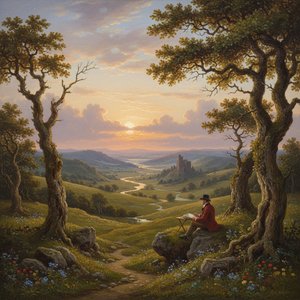
John Varley I: Intimate Observation & the British Romantic Landscape
Explore the serene landscapes of John Varley I, a key figure in British Romanticism. Discover his unique watercolour style, collaboration with William Blake & lasting artistic legacy. Learn about collecting Varley's work.
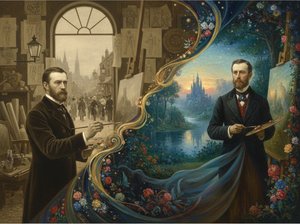
Thomas Edwin Mostyn: A Victorian Genre Painter's Journey from Realism to Romantic Enchantment
Discover the captivating world of Thomas Edwin Mostyn (1864-1930), a Victorian artist renowned for his romantic garden scenes and evocative portraits. Explore his artistic journey, legacy & find high-quality reproductions at OriginalUniqueArt.
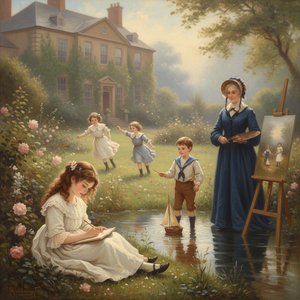
James Sant: Capturing Victorian Childhood & the Evolving Landscape of British Genre Painting
Explore the life & art of James Sant (1820-1916), renowned Victorian portraitist to Queen Victoria. Discover his captivating depictions of childhood, landscapes, and aristocratic society. Learn about his legacy & find fine art reproductions.

