

 Представи си го
 Изпрати
 Сподели
 Детайли

 Изтегляне
 Подобни
 Рентгенова снимка
 Слайдшоу
Brasilia, Biblioteca Nacional


 Прочетете повече
Ръчно изработена маслена репродукция
Ръчно рисувана маслена картина върху платно във вашия размер и рамка, изработена по поръчка от нашите художници. ( Купете принт Купете изображение)




































Изберете от предварително зададените размери, които съответстват на оригиналните пропорции на произведението.

Можете да въведете свои собствени размери, за да пасне на конкретна рамка или пространство. Ако избраният от вас размер не съответства на пропорциите на оригиналното изображение, ние ще изрежем произведението или ще удължим картината с допълнителни ръчно рисувани елементи. Дигитален макет ще бъде изпратен за ваше одобрение преди започване на производството.
Моля, обърнете внимание, че прегледът на екрана не отразява действителното изрязване или разширяване. Само макетът ще покаже точно финалния състав.
Въпреки че са налични персонализирани размери, препоръчваме да изберете размер от предварително дефинирания списък, за да запазите оригиналните пропорции.
След поръчка, екипът на OriginalUniqueArt.com ще изпрати имейл на клиента за инструкции и ще предостави преглед на макет.
Доставка по целия свят () в рамките на 3/4 седмици вместо стандартните 5 седмици. (19 Август). Без компромис с качеството.

Безплатна експресна доставка по целия свят

Висококачествено ленено платно

Пълно застраховане при доставка

Гаранция за възстановяване на митнически такси

Гаранция за цветова точност

60-Дневен период за връщане (Само при дефекти)

100% Гаранция за връщане на парите

Предложение за отстъпка при поръчка на едро
 Стъклото е налично само в размери под 110 см

Brasilia, Biblioteca Nacional
Репродукционен метод
Размер на репродукцията
-


Обща цена
$ 300
Биография на художника
Thomas Kellner: Architect of Perception
Thomas Kellner (born May 28, 1966, in Bonn) is a German fine-art photographer, lecturer, and curator whose distinctive approach to visual storytelling has garnered international acclaim. He’s renowned for his monumental photographs of architectural landmarks—a genre he reimagines not merely as documentation but as active interrogation of how we perceive space and form. Kellner's method isn’t simply about capturing buildings; it’s about transforming them into complex mosaics, a technique that reflects his deep engagement with the principles of Cubism and Deconstructivism.Early Life & Education
Kellner’s formative years were marked by a passion for both art and social sciences, culminating in studies at the University of Siegen where he earned degrees in all four disciplines. Crucially, it was Professor Jürgen Königs' studio class that cemented his dedication to photography as an artistic medium. Here, Kellner honed his skills exploring the limitations and possibilities of pinhole camera photography—a method that prioritizes spontaneity and challenges conventional photographic processes. This early influence would prove pivotal in shaping his subsequent artistic vision.The Pinhole Camera Method & Conceptual Foundations
Kellner’s fascination with pinhole cameras stems from a belief that true creativity resides outside the constraints of planned composition. Each photograph produced using this technique is inherently unique, revealing unexpected nuances and prompting viewers to reconsider their assumptions about visual representation. He cites Robert Delaunay's Cubism as a foundational inspiration—a movement that dismantles traditional perspective and embraces fragmentation as a means of conveying complexity. This conceptual underpinning informs his photographic practice, where buildings are subjected to meticulous deconstruction and reassembly into heterogeneous conglomerates of forms.Architectural Photo Mosaiques & Iconic Subjects
Kellner’s signature style is characterized by the creation of “photo mosaics”—large-format images composed of numerous individual photographs taken from slightly shifted camera angles. He applies this technique to iconic architectural sites such as the Grand Canyon, the Golden Gate Bridge, and the Great Wall of China, transforming them into immersive experiences that defy conventional visual narratives. These montages aren’t simply reproductions; they are active reinterpretations—a deliberate disruption of established viewpoints designed to provoke contemplation about the nature of perception itself. As Irina Chmyreva from Moscow's Academy aptly describes his work, “visual analytical synthesis.”Recognition & Legacy
Kellner’s photographic explorations have been recognized globally through solo exhibitions in Germany, Australia, Russia, China, France, Poland, Denmark and the USA since 2002. His oeuvre is represented in prestigious collections including Fox Talbot Museum, Lacock Abbey, George Eastman House, Library of Congress, Museum of Fine Arts, Houston, Museu de Arte Moderna, Rio de Janeiro, The Art Institute of Chicago, and The Baltimore Museum of Art. He continues to inspire artists and scholars alike with his unwavering commitment to pushing the boundaries of photographic expression—a testament to his enduring influence on contemporary art practice.
Thomas Kellner
1966 - , Germany
Бързи факти
- Artistic Movement Or Style: Deconstructivism; Photo mosaics
- Artists Or Movements Influenced By This Artist: ['Cubism']
- Artists Who Influenced This Artist: ['Robert Delaunay']
- Date Of Birth: May 28, 1966
- Full Name: Thomas Kellner
- Nationality: German
- Notable Artworks:
- Brasilia, Biblioteca Nacional
- Grand Canyon
- Place Of Birth: Bonn, Germany
Всички статии
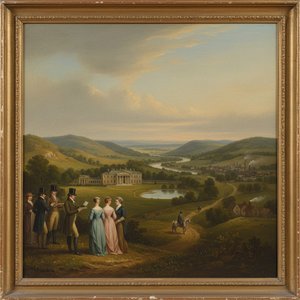
Thomas Barker of Bath: Landscape Painting & Societal Reflection in Early 19th-Century England
Explore the life & work of Thomas Barker of Bath, a key figure in 19th-century English Romanticism. Discover his Parisian success, iconic paintings like 'The Bride of Death', and lasting artistic legacy. Learn more at OriginalUniqueArt.
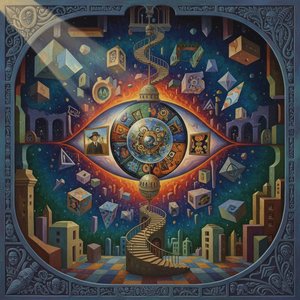
Beyond the Visible: A Curated Journey Through the Masterpieces of Illusion and Optical Wonder
Embark on a visual journey through the world's most captivating illusions. From Trompe l'oeil realism to the geometric wonders of Op Art, explore how master artists manipulate perception and depth to create timeless masterpieces of optical wonder.
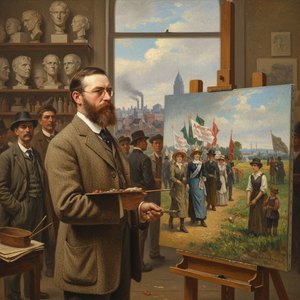
Thomas Pollock Anshutz: Capturing American Life with Realism & Reform
Explore the life & work of Thomas Pollock Anshutz, a key figure in American Realism. Discover his powerful paintings, influence on art education, and commitment to portraying everyday life with honesty and social awareness.

Mind-Bending Masterpieces: A Visual Journey Through the World's Most Captivating Optical Illusion Artworks
Embark on a visual journey through history's most captivating optical illusions. From Trompe l'oeil to Op Art, explore the masterpieces that challenge perception and redefine reality in the world of fine art.

Thomas Whitcombe: Navigating Light & Landscape – A Reassessment of Technique & Influence
Discover the captivating world of Thomas Whitcombe, a leading British marine painter. Explore his life, techniques, and enduring legacy with our expert analysis & guide for collectors.

