

 Преглед в реален мащаб
 Сподели
 Сподели
 Подробности
 Ръководство

 Изтегляне
 Подобни артикули
 Рентгенова снимка
 Слайдшоу
 Статистика
Whitewater River


 Разгърни целия текст
Жикле / Художествен принт
Giclée печат или принт върху платно с музейно качество, бързо производство и гъвкави опции за завършен вид. ( Поръчайте ръчно рисувано репродукция на този колекционерски предмет Превключване към дигитално изображение)




































Изберете от нашите предварително зададени размери, които съответстват на оригиналните пропорции на произведението.

Можете да въведете собствени размери, за да паснат на конкретна рамка или пространство. Ако избраният от Вас размер не съвпада с пропорциите на оригиналното изображение, ние ще изрежем произведението или ще разширим изображението с огледален или едноцветен ръб. Дигитален макет ще бъде изпратен за Ваше одобрение преди започването на производството.
Моля, имайте предвид, че предпрегледът на екрана не отразява реалното изрязване или разширяване. Само макетът ще покаже точно финалната композиция.
Въпреки че са налични персонализирани размери, препоръчваме да изберете размер от предварително дефинирания списък, за да запазите оригиналните пропорции.
Доставка по целия свят () в рамките на 2 седмици вместо стандартните 4/5 седмици. (26 Септември)

Безплатна експресна доставка по целия свят

Висококачествено ленено платно

Пълно застраховане на доставката

Гаранция за възстановяване на митнически такси

Гаранция за пълно съответствие на цветовете

Политика за връщане в рамките на 100 дни (само при дефекти)

100% Гаранция за връщане на сумата

Отстъпка при поръчка на повече произведения
 Опцията със стъкло е налична само за размери под 110 см

Whitewater River
Жикле / Художествен принт
Размер на репродукцията
-


Крайна цена
$ 80
A Serene Reflection: Theodore Clement Steele's "Whitewater River"
Step into a world of tranquil beauty with Theodore Clement Steele’s “Whitewater River,” painted in 1904. This captivating landscape transports the viewer to the banks of a gently flowing river, framed by rolling hills and lush trees – a quintessential vision of the American Midwest. The painting exemplifies Steele's mastery of capturing fleeting moments of natural splendor, inviting contemplation and offering a respite from the bustle of modern life.Impressionistic Technique & Artistic Vision
Steele’s style is firmly rooted in American Impressionism, a movement that sought to capture the subjective experience of light and atmosphere rather than precise photographic detail. Observe how he employs loose, broken brushstrokes – a hallmark of impressionist technique – to depict the riverbank scene. The application of oil paint on canvas creates a textured surface where each stroke contributes to the overall feeling of movement and vibrancy. Notice the diffused lighting; it softens shadows and highlights, emphasizing the atmospheric quality of the scene. This isn't about meticulous representation; it’s about conveying *feeling* – the cool serenity of the river, the gentle rustling of leaves, the quiet grandeur of nature. The flattened perspective, characteristic of Impressionism, further enhances this sense of immediacy and subjective perception.Historical Context & Steele's Artistic Journey
Theodore Clement Steele (1847-1926) was a pivotal figure in American art, bridging traditional European techniques with the burgeoning American Impressionist movement. His early training at Indiana State University provided a foundation in drawing and painting, but it was his travels to France that truly shaped his artistic vision. Immersed in the works of French Impressionists, Steele absorbed their innovative use of color and light, adapting these principles to depict uniquely American landscapes. "Whitewater River" reflects this synthesis – a distinctly American subject rendered with an undeniably European sensibility. Steele’s work was instrumental in establishing a distinct identity for American Impressionism, moving away from purely European models and embracing the beauty of the American landscape.Symbolism & Emotional Resonance
Beyond its aesthetic appeal, "Whitewater River" carries symbolic weight. Rivers often represent the passage of time, the flow of life, and a connection to something larger than oneself. The serene mood evoked by Steele’s palette – predominantly cool blues and greens with touches of warmth – creates a sense of tranquility and contemplation. The painting captures a fleeting moment in time, reminding us of the ephemeral beauty of nature and the importance of appreciating the present. It's an invitation to pause, reflect, and find solace in the natural world. The slightly melancholic undertone adds depth, suggesting a quiet introspection rather than simple joy – a hallmark of Steele’s mature style.A Timeless Addition
"Whitewater River" is more than just a landscape painting; it's an evocative window into the American Impressionist era and a testament to Theodore Clement Steele’s artistic genius. Whether you are an art enthusiast, collector, or interior designer seeking a piece that exudes serenity and sophistication, this reproduction offers a chance to bring a touch of timeless beauty into your space.Биография на художника
A Luminary of the American Landscape: The Life and Art of Theodore Clement Steele
Theodore Clement Steele, a name inextricably linked to the flourishing of American Impressionism, stands as a pivotal figure in the nation’s artistic heritage. Born in 1847 amidst the serene rolling hills of Owen County, Indiana, his journey was one marked by dedicated study, transatlantic influences, and an unwavering commitment to capturing the unique beauty of his native land. His life unfolded against a backdrop of rapid transformation – a period where American art sought to define itself, moving beyond mere imitation of European masters towards a distinctly authentic visual language reflecting its own identity. From humble beginnings sketching in rural Indiana, Steele embarked on a path that led him to Munich’s prestigious Royal Academy and back again, forever shaped by his experiences yet deeply rooted in the landscapes he held dear. He wasn't simply painting what he saw; he was translating an emotional connection with nature onto canvas, imbuing each work with a sense of serene contemplation and profound feeling.European Training and the Embrace of Impressionism
Steele’s artistic inclinations were nurtured early on through initial studies at Indiana State University, providing him with a solid foundation in drawing and painting techniques. However, recognizing the need for more rigorous training and exposure to contemporary trends, he ventured to Europe in 1880, settling in Munich – a vibrant hub of artistic innovation during that era. It was here, amidst the burgeoning Impressionist movement, that Steele truly blossomed. The influence of French masters like Monet and Pissarro is undeniably present in his evolving style; a shift away from the darker, more academic palettes prevalent in earlier art towards brighter, more luminous colors and broken brushstrokes – *pointillism* and *impasto* techniques were all incorporated into his work. This wasn’t merely a technical adoption, however; it represented a fundamental philosophical change. Steele began to prioritize capturing the fleeting effects of light and atmosphere, seeking not just *what* he saw but *how* it felt to be present in that particular moment – the warmth of the sun on skin, the dappled shade beneath a tree, the subtle shifts in color as clouds drifted across the sky. His time in Munich instilled within him a deep appreciation for *plein air* painting – working directly outdoors, capturing nature’s immediacy and vibrancy. He meticulously studied the way light interacted with surfaces, experimenting with layering colors to create an illusion of depth and luminosity.The Hoosier Group and a Distinctly American Vision
Upon his return to Indiana in 1885, Steele became a central figure within the “Hoosier Group,” a collective of artists dedicated to establishing a uniquely American style of landscape painting. Alongside contemporaries like William Forsyth, J. Ottis Adams, Richard B. Gruelle, and Otto Stark, he championed depictions of the Midwest’s natural beauty – the rolling hills, lush forests, and tranquil waterways of his homeland. While undeniably influenced by European techniques, Steele and his colleagues were determined to create works that reflected *American* subjects and sensibilities. They sought to capture not just the visual appearance of their surroundings but also the emotional resonance they evoked. This synthesis resulted in paintings characterized by a distinctive blend of technical skill and an authentic sense of place – a feeling of familiarity and connection to the land. Steele’s portraits, too, garnered recognition, including commissions to paint official portraits of several Indiana governors, demonstrating his versatility as an artist.The House of the Singing Winds and Legacy
Steele's artistic journey culminated in 1907 with the purchase of a sprawling tract of land in Brown County, Indiana, where he built “The House of the Singing Winds” – a home and studio that became both his personal sanctuary and a focal point for the burgeoning Brown County Art Colony. Surrounded by towering forests and rolling hills, Steele found inspiration at every turn. The house itself, with its expansive windows and light-filled rooms, was designed to facilitate *plein air* painting, allowing him to work directly from nature’s bounty. This period marked a significant shift in his artistic focus – he increasingly dedicated himself to landscape painting, producing some of his most celebrated works. In 1922, Steele accepted an honorary professorship at Indiana University in Bloomington, further cementing his role as a respected figure within the state's art community. His legacy extends beyond his paintings; he was also a passionate educator and advocate for the arts, actively participating in art juries and contributing to the development of artistic institutions. Theodore Clement Steele’s work continues to be celebrated today, not only for its aesthetic beauty but also for its historical significance – a testament to his dedication, passion, and profound connection with the natural world.A Lasting Impression on American Art
Theodore Clement Steele's paintings are held in numerous prestigious collections across the United States, including those of the Indianapolis Museum of Art, the Los Angeles County Museum of Art, and the Indiana University Art Museum. His ability to capture the ephemeral qualities of light and atmosphere, combined with his deep understanding of color and composition, has secured his place as a true luminary in American art history. He bridged the gap between European traditions and American innovation, helping to forge a uniquely American artistic identity – one that continues to inspire artists today. His paintings are a testament to the beauty and spirit of the American landscape.
Теодор Клемент Стил
1847 - 1926 , Съединени американски щати
Бързи факти
- Artistic Movement Or Style: Американ импресионизъм
- Artists Or Movements Influenced By This Artist: ['Американ импресионисти']
- Artists Who Influenced This Artist: ['Френски импресионисти']
- Date Of Birth: 11 септ., 1847 г.
- Date Of Death: 24 юл., 1926 г.
- Full Name: Теодор Клемент Стил
- Nationality: Американски
- Notable Artworks:
- Indian Summer
- The Artist's Garden
- Place Of Birth: Оуън Каунти, САЩ
Свързани статии

Evocations of Place: A Historical Journey Through Landscape Art
Explore the rich history of landscape art with OriginalUniqueArt. Discover renowned artists, movements like Impressionism & Romanticism, and expert guidance for collecting timeless pieces. Find your perfect serene escape today!

Evocations of Place: A Historical Journey Through Landscape Art
Explore the rich history of landscape art with OriginalUniqueArt. Discover renowned artists, movements like Impressionism & tonalism, and expert guidance for collecting timeless pieces. Find your perfect serene escape today!
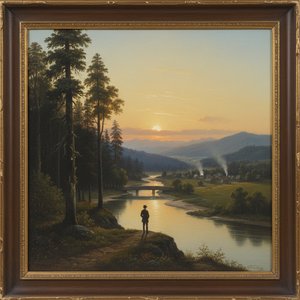
Robert Spencer: Luminism, Narrative & the American Landscape Tradition
Explore the captivating world of Luminism & the Hudson River School with our expert analysis. Discover the history, artists, and enduring beauty of 19th-century American landscape painting. Find museum-quality reproductions at OriginalUniqueArt.
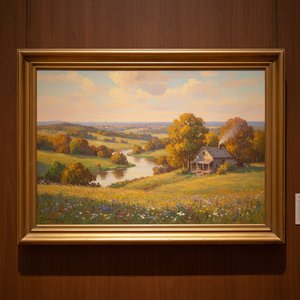
Theodore Clement Steele: American Impressionism's Hoosier Visionary – A Comprehensive Exploration of Life, Art, and Legacy
Explore the life & art of Theodore Clement Steele, a leading American Impressionist painter. Discover his luminous Indiana landscapes, contributions to the Hoosier Group, and enduring legacy. A comprehensive guide for art enthusiasts.
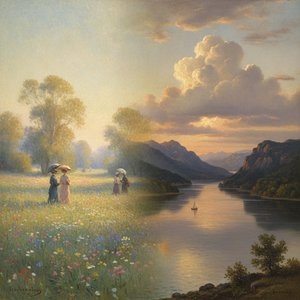
Capturing the Light: A Journey Through the Soul of American Impressionism and the Hudson River School
Explore the luminous beauty of American Impressionism and the Hudson River School. Discover a curated journey through light, landscape, and history, celebrating the enduring legacy of masters through exquisite, hand-painted oil reproductions for the discerning art lover.

