
 Представи си го
 Изпрати
 Сподели
 Детайли

 Изтегляне
 Подобни
 Рентгенова снимка
 Слайдшоу
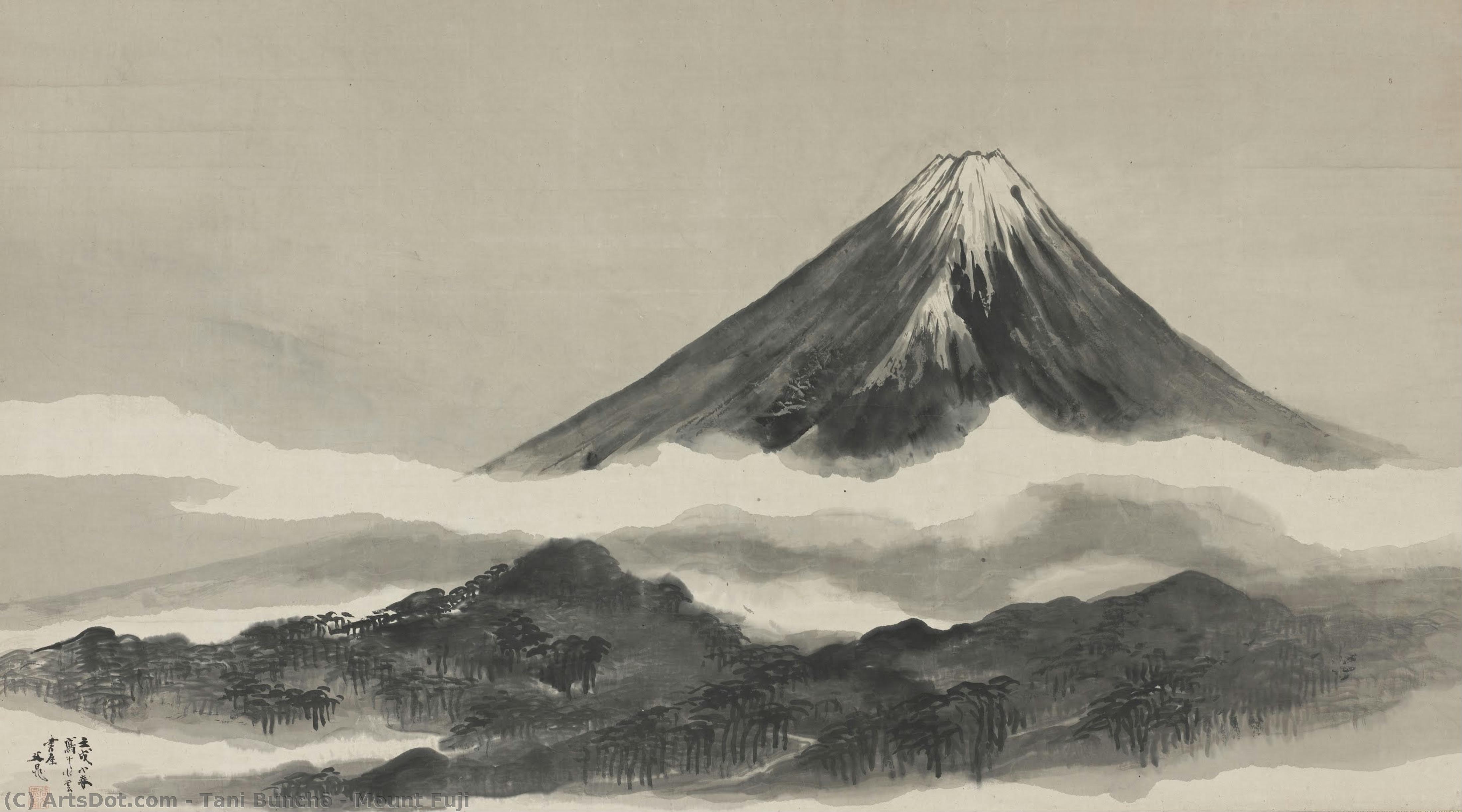
Mount Fuji


 Прочетете повече
Закупете дигитално изображение с висока резолюция и подобрени характеристики, значително по-добро от онлайн прегледа.
Всеки файл е щателно подготвен от нашите специалисти с помощта на съвременни инструменти и експертна ръчна ретуш. Гарантираме, че всяко изображение има изключителна яснота, прецизна цветова точност и фини детайли.
Окончателният файл се доставя по имейл в рамките на 72 часа, оптимизиран за незабавна употреба в професионални, редакционни и печатни среди. Това е същото качество, на което се доверяват водещи дизайнерски студия, издатели и галерии.
Дигитално изображение
Изтеглете файл с висока резолюция за лично показване, принтиране и творчески проекти. ( Купете принт Купете ръчно рисувана картина)
Включено във всяка поръчка за дигитални изображения
Експресна дигитална доставка, гарантирана
Когато изберете OriginalUniqueArt.com, вие не получавате само изображение – вие получавате професионално подобрена дигитална творба, създадена с прецизност и подкрепена от гаранция за удовлетворение. Ето всичко, което автоматично се включва в вашата поръчка:

Бърза доставка по имейл
Вашето дигитално изображение с висока резолюция ще ви бъде изпратено по имейл в рамките на 72 часа от поръчката - готово за незабавно използване.

Дигитален файл с подобрено качество чрез изкуствен интелект
Вашата картина е професионално оптимизирана с помощта на усъвършенствани инструменти за изкуствен интелект и ръчна редакция, осигурявайки максимална детайлност, яснота и точност на цветовете.

Безплатна доживотна повторна доставка
Изгубили сте или сте премахнали файла си по погрешка? Не се притежнявайте – ще го изпратим отново на Вас по всяко време, безплатно.

Без такки за мито - никога
Всредите си веднага без мита, данъци или такси по доставка - дигителните приложения винаги са без данъчно освободени.

Гаранция за точност на цветовете
Гарантираме, че вашето дигитално изображение отразява оригиналните цветове възможно най-точно, използвайки професионални инструменти и управление на цветовете.

Гаранция за удовлетвореност от 60 дни
Ако не сте доволни от вашето дигилно изображение, ще го коригираме или ще възмедим 100% в рамките на 60 дни – без никакви въпроси.

100% Гаранция за връщане на пари.
Не сте удовлетворени? Получавате пълно възстановяване на сумата в рамките на 60 дни след получаването на вашия цифров файл – без никакви въпроси.

Отстъпки за големи поръчки
Купете 3 изображения, спестете 10% - Купете 5, спестете 15% - Купете 10+, спестете 20%. Отлично за творчески проекти, галерии и агенства.
Описание на колекционерския предмет
Биография на художника
The Versatile Visionary: The Life and Legacy of Tani Bunchō
In the vibrant, shifting landscape of Edo-period Japan, few artists possessed the breadth of vision and stylistic dexterity of Tani Bunchō. Born in 1763 into a family of esteemed retainers for the Tayasu clan, Bunchō was destined for a life steeped in both scholarly tradition and samurai responsibility. As the son of the renowned poet Tani Rokkoku, his upbringing was an immersion in the refined aesthetics of the era, yet he would ultimately transcend the boundaries of his station to become a singular force in Japanese art history. He was not merely a painter; he was a bridge between worlds, weaving together the meticulous traditions of Japan with the expressive spirit of China and the emerging influences of the West.
Bunchō’s artistic journey began under the rigorous tutelage of Katō Bunrei, a master of the Kanō school. This foundational period instilled in him a profound command over classical Chinese painting techniques, characterized by disciplined brushwork and a deep respect for symbolic composition. However, the true genius of Bunchō lay in his refusal to be confined by a single lineage. While he mastered the formalized aesthetics of the Kanō tradition, he actively sought out the more fluid and expressive Hoku-ga (Northern School) style. His thirst for innovation led him to collaborate with masters like Kitayama Kangen, whose influence helped introduce elements of yōga—Western-inspired painting—into his repertoire. This rare ability to synthesize disparate styles allowed him to move seamlessly between idealized Chinese landscapes and the burgeoning realism of Japanese scenery.
A Synthesis of Styles and the Spirit of Innovation
The hallmark of Bunchō’s oeuvre is its extraordinary eclecticism. Unlike many of his contemporaries in the bunjin (literati) movement who adhered strictly to traditional Chinese motifs, Bunchō embraced a much wider spectrum of subject matter. He was equally adept at rendering the monumental and sacred presence of Mount Fuji as he was at capturing the delicate, ephemeral beauty of moonlight reflecting over river reeds. His work often functioned as a "true view," where the artist’s subjective experience of a landscape met a selective realism that felt both grounded and poetic. This duality—the ability to be both a scholar-poet and a keen observer of nature—defined his unique contribution to the Edo avant-garde.
His ascent to the pinnacle of the art world was significantly propelled by his prestigious patronage under Matsudaira Sadanobu, one of the most influential political figures of the Tokugawa Shogunate. This relationship provided Bunchō with more than just financial stability; it granted him the cultural capital and resources necessary for unprecedented experimentation. Under this aegis, he flourished as a prolific creator of landscapes, portraits, and calligraphy, often blending Nanga (literati) sensibilities with the ornamentalism found in the Maruyama-Shijō school. His paintings were not merely depictions of scenery but were profound meditations on the intersection of tradition and modernity.
Historical Significance and Enduring Influence
Tani Bunchō’s legacy is etched into the very fabric of Japanese art history as a pioneer of cultural exchange. By integrating Western perspectives with Eastern sensibilities, he helped prepare the Japanese artistic consciousness for the profound changes that would follow in the Meiji era. His work remains a testament to the power of intellectual curiosity and the beauty of stylistic hybridity. To look upon a Bunchō masterpiece is to witness a moment in time where the boundaries between different cultures and eras dissolved into a single, harmonious vision.
His enduring impact can be summarized through several key artistic contributions:
- Stylistic Integration: The seamless blending of Kanō school precision, Northern School expressiveness, and Western-influenced realism.
- Literati Innovation: Expanding the bunjin tradition beyond rigid Chinese imitation to include authentic Japanese landscapes and contemporary portraiture.
- Cultural Bridge-Building: Serving as a vital link between the classical traditions of the past and the emerging global influences of the late Edo period.

tani bunchō
1763 - 1841
Бързи факти
- Artistic Movement Or Style: Nanga Painting
- Artists Or Movements Influenced By This Artist: ['Okuhara Seiko']
- Artists Who Influenced This Artist:
- Katō Bunrei
- Kitayama Kangen
- Date Of Birth: October 15, 1763
- Date Of Death: January 6, 1841
- Full Name: Tani Bunchō
- Nationality: Japanese
- Notable Artworks:
- River Gorge with Waterfall
- Miscellaneous Paintings and Calligraphy for the Third Year of the Bunsei Era
- Place Of Birth: Japan

