

 Представи си го
 Изпрати
 Сподели
 Детайли

 Изтегляне
 Подобни
 Рентгенова снимка
 Слайдшоу
 Статистика
Death on the Battlefield


 Прочетете повече
Ръчно изработена маслена репродукция
Ръчно рисувана маслена картина върху платно във вашия размер и рамка, изработена по поръчка от нашите художници. ( Превключване към принт Превключване към дигитално изображение)




P118B $10

P118H $10

P118W $10

P438Z $10

P508JH $12

P508YH $12

P805H $10

P805Z $10

P919BZ $10

P919G $10

P919XJ $10

P959ZH $10

P968JZ $12

W106C $8

W218G $10

W218JH $8

W218Y $10

W307PJ $10

W316G $10

W316PJ $8

W316Y $10

W398PJ $8

W4111J $10

W500HY $15

W500JH $15

W692G $12

W849H $8

W940BG $15

W953PJ $8




Изберете от предварително зададените размери, които съответстват на оригиналните пропорции на произведението.

Можете да въведете свои собствени размери, за да пасне на конкретна рамка или пространство. Ако избраният от вас размер не съответства на пропорциите на оригиналното изображение, ние ще изрежем произведението или ще удължим картината с допълнителни ръчно рисувани елементи. Дигитален макет ще бъде изпратен за ваше одобрение преди започване на производството.
Моля, обърнете внимание, че прегледът на екрана не отразява действителното изрязване или разширяване. Само макетът ще покаже точно финалния състав.
Въпреки че са налични персонализирани размери, препоръчваме да изберете размер от предварително дефинирания списък, за да запазите оригиналните пропорции.
След поръчка, екипът на OriginalUniqueArt.com ще изпрати имейл на клиента за инструкции и ще предостави преглед на макет.
Доставка по целия свят () в рамките на 3/4 седмици вместо стандартните 5 седмици. (17 Септември). Без компромис с качеството.

Безплатна експресна доставка по целия свят

Висококачествено ленено платно

Пълно застраховане при доставка

Гаранция за възстановяване на митнически такси

Гаранция за цветова точност

Политика за връщане в рамките на 100 дни (само при дефекти)

100% Гаранция за връщане на парите

Предложение за отстъпка при поръчка на едро
 Стъклото е налично само в размери под 110 см

Death on the Battlefield
Репродукционен метод
Размер на репродукцията
-


Обща цена
$ 300
A Macabre Vision of Mortality
In the hauntingly beautiful masterpiece Death on the Battlefield, the Florentine master Stefano della Bella invites us into a realm where the boundaries between life and decay dissolve. The composition is dominated by a striking, skeletal figure mounted upon a powerful horse, an image that immediately commands the viewer's attention with its raw, visceral energy. This is not merely a depiction of death, but a theatrical performance of mortality. As the skeleton raises an arm toward the heavens, clutching a scepter and wearing a crown, it assumes the role of a grim sovereign, presiding over the chaos of conflict. The dynamic movement of the horse, positioned with a sense of urgent momentum, creates a sweeping motion that guides the eye across the canvas, making the skeletal rider feel as though it is charging through the very fabric of time itself.
The artistry of della Bella, rooted in his profound training as an etcher and draughtsman, shines through in the intricate details of this work. Though he was a master of the fine line, the essence of his printmaking precision is felt in every contour of the bone and every muscle of the steed. The sky above, stretching from corner to corner, provides a vast, atmospheric backdrop that lends a sense of epic scale to the scene. Small, delicate details—such as the presence of birds drifting through the upper reaches of the frame—offer a poignant contrast to the central figure. These creatures of life, soaring amidst the symbols of death, serve to heighten the emotional tension, reminding us of the fragile coexistence between the living world and the inevitable end that awaits all things.
Symbolism and the Baroque Spirit
To understand Death on the Battlefield, one must look through the lens of the Baroque era, a period obsessed with the concept of memento mori—the reminder that death is an ever-present companion. The crown and scepter held by the skeletal figure are deeply symbolic; they suggest that even the highest earthly powers and most glorious conquests are ultimately subject to the leveling force of death. This piece serves as a powerful allegory for the futility of war and the transient nature of human ambition. For the collector or the interior designer, this artwork offers more than just visual splendor; it provides a profound philosophical depth, making it a conversation piece that challenges the viewer to contemplate the fleeting essence of existence.
The emotional impact of the work lies in its ability to be simultaneously terrifying and mesmerizing. There is a certain dark elegance in the way della Bella captures the skeletal form, transforming what could be a grotesque image into something of profound aesthetic grace. For those seeking to adorn a space with art that possesses both historical weight and dramatic flair, this reproduction offers an unparalleled opportunity. It brings into a room a sense of history, a touch of the sublime, and a masterful command of light and shadow that can transform a modern interior into a gallery of contemplative thought.
Биография на художника
Stefano della Bella: The Florentine Master of Line and Light
Stefano della Bella (1610-1664) stands as a singular figure in the Baroque landscape of Italian art, primarily celebrated for his extraordinary output of prints—over 1050 masterpieces—that transcended mere documentation to embody the spirit of his era with breathtaking precision and emotional resonance. While only one painting bears his signature, this prolific draughtsman established himself as an undisputed titan of etching, capturing pivotal moments in European history and culture through meticulously rendered images that continue to captivate audiences today. His life was a journey marked by constant movement and observation—from the opulent courts of Florence to the tumultuous battlefields of Europe—fueled by unwavering patronage and an unparalleled sensitivity to visual detail. Early Training and Florentine Apprenticeship Stefano della Bella’s artistic genesis unfolded in the crucible of Florence, where he began his formative years under the tutelage of Giovanni Battista Buoncompagni, a goldsmith whose exacting standards instilled in him a fundamental appreciation for meticulous craftsmanship. This early exposure honed his observational skills and cultivated an innate understanding of form—qualities that would permeate his subsequent oeuvre. Recognizing Bella’s prodigious talent, Buoncompagni swiftly transitioned him to the workshop of Orazio Vanni and Cesare Dandini, renowned engravers who imparted invaluable technical expertise and introduced him to the burgeoning art of etching. However, it was his mentorship with Remigio Cantagallina—a sculptor and printmaker himself—that truly cemented Bella’s artistic trajectory. Cantagallina had been instructed by Jacques Callot, whose influence is palpably present in Bella’s earliest prints—a shared fascination for dramatic narratives and a commitment to capturing the essence of visual form through painstaking detail. Rome: The Crucible of Baroque Vision The patronage of the Medici family proved decisive in shaping Bella’s artistic ambitions. Their generosity enabled him to spend six transformative years in Rome, immersing himself within the intellectual and artistic fervor of the papal court—a period that irrevocably altered his aesthetic sensibilities. This immersion coincided with a burgeoning interest in classical antiquities and an acute awareness of contemporary life—influences that would converge to forge Bella’s distinctive Baroque vision. He swiftly absorbed the stylistic innovations championed by artists like Guido Reni and Domenichino, embracing the grandeur and theatricality characteristic of the era. Rome provided an inexhaustible source of inspiration—bustling public squares adorned with monumental sculptures, opulent palaces reflecting the splendor of papal power, and elaborate ceremonial processions unfolding before his very eyes. Bella meticulously documented these scenes in detailed sketchbook drawings, which subsequently served as the bedrock for a series of prints that exemplify his mastery of etching techniques. Notably, he experimented with tonal effects—a technique pioneered by Rembrandt—adding depth and atmospheric nuance to his images and foreshadowing later developments in printmaking. Military Narratives and Venetian Influence Bella’s artistic output reached its zenith during his engagement with the Venetian Republic, where he secured commissions from influential patrons like Cardinal Federico Borromeo and Palazzo Ducale. This period witnessed a significant expansion of his repertoire—particularly in depictions of military conflicts—reflecting the anxieties surrounding the Thirty Years' War that gripped Europe. Bella’s prints captured the dynamism and brutality of battle with unflinching realism, utilizing etching techniques to convey both visual splendor and visceral emotion. Simultaneously, he absorbed Venetian artistic sensibilities—characterized by luminous color palettes and expressive brushwork—incorporating these influences into his own style. His *Siege of Castel Bolognese* (1649) stands as a testament to this fusion of styles—a monumental print depicting the siege with dramatic lighting and meticulous attention to architectural detail. Legacy and Enduring Significance Stefano della Bella’s contribution to Baroque art transcends mere stylistic innovation; he fundamentally reshaped the medium of etching, elevating it to new heights of expressive power and technical sophistication. His prints continue to resonate with audiences today—serving as invaluable windows into the cultural landscape of 17th-century Europe and demonstrating Bella’s unparalleled ability to distill complex narratives into visually arresting images. He died in Florence in 1664, leaving behind a legacy that cemented his place among the foremost printmakers of his time—a testament to his unwavering dedication to artistic excellence and his enduring influence on subsequent generations of artists. His meticulous draughtsmanship and masterful etching techniques ensured that Bella’s vision would endure beyond his lifetime, securing his position as an icon of Florentine Baroque artistry.
Стефано дел Бала
1610 - 1664 , Италия
Бързи факти
- Artistic Movement Or Style: Барокко
- Artists Or Movements Influenced By This Artist: ['Рембрандт ван Рейн']
- Artists Who Influenced This Artist: ['Жак Кало']
- Date Of Birth: Florence, Италия (1610)
- Date Of Death: 1664
- Full Name: Stefano della Bella
- Nationality: Италиански
- Notable Artworks:
- Вид на Ньоф
- Влизането на полския посланик във Флаоренция
- Place Of Birth: Флоренция
Всички статии

The Equine Muse: A Historical & Artistic Exploration of Horses in Painting
Explore the captivating history of horses in painting! Discover Renaissance masterpieces, Baroque grandeur & expert insights for collecting equestrian art. Learn about symbolism, techniques & lasting value with OriginalUniqueArt.

Топ 10 шедьоври на Барока: История, артисти и великолепие за вашия дом
Разгледайте 10 шедьовъра на Барока от Караваджо, Рембрандт и Рубенс! Открийте историите зад тези емблематични картини и скулптури. Вдъхновете се за вашия интериор с OriginalUniqueArt.com – луксозни репродукции и изкуство за дома.
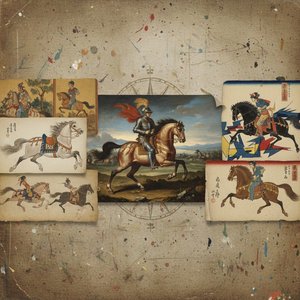
The Noble Steed on Canvas: A Historical & Artistic Exploration of Horse Painting Across Cultures
Explore the rich history of horse painting! Discover masterpieces from Stubbs to Munnings & learn about symbolism, techniques & artists. Find museum-quality reproductions at OriginalUniqueArt.

Барокова Драма: Изкуството, Което Внася Величие в Дома
Открийте великолепието на бароковия стил! Разгледайте историята, изкуството и интериорните решения, вдъхновени от епохата. Съвети за създаване на разкошен дом.

The Dramatic Flourish: Exploring the Baroque Movement's Enduring Legacy in Art History
Explore the dramatic world of Baroque art! Discover iconic artists like Caravaggio & Rubens, defining techniques, and its lasting impact on art history. Expert insights for collectors & enthusiasts at OriginalUniqueArt.